NeuralRemaster: Phase-Preserving Diffusion for Structure-Aligned Generation

arXiv — cs.CVFriday, December 5, 2025 at 5:00:00 AM
  • NeuralRemaster has introduced Phase-Preserving Diffusion (φ-PD), a novel approach that maintains the phase of input data while randomizing its magnitude, enhancing structure-aligned generation in various applications such as image-to-image translation and simulation enhancement. This method does not require architectural changes or additional parameters, making it compatible with existing diffusion models.
  • This development is significant as it addresses the limitations of standard diffusion processes that compromise spatial structure, thereby improving the quality and consistency of generated images and videos, which is crucial for industries relying on high-fidelity visual content.
  • The introduction of φ-PD aligns with ongoing advancements in AI-driven reconstruction and generation techniques, such as the Driving Gaussian Grounded Transformer and Voxel Diffusion Module, which also aim to enhance the accuracy and efficiency of dynamic scene representation, reflecting a broader trend towards integrating geometric fidelity in AI applications.
— via World Pulse Now AI Editorial System


Was this article worth reading? Share it

Recommended apps based on your readingExplore all apps
Continue Readings
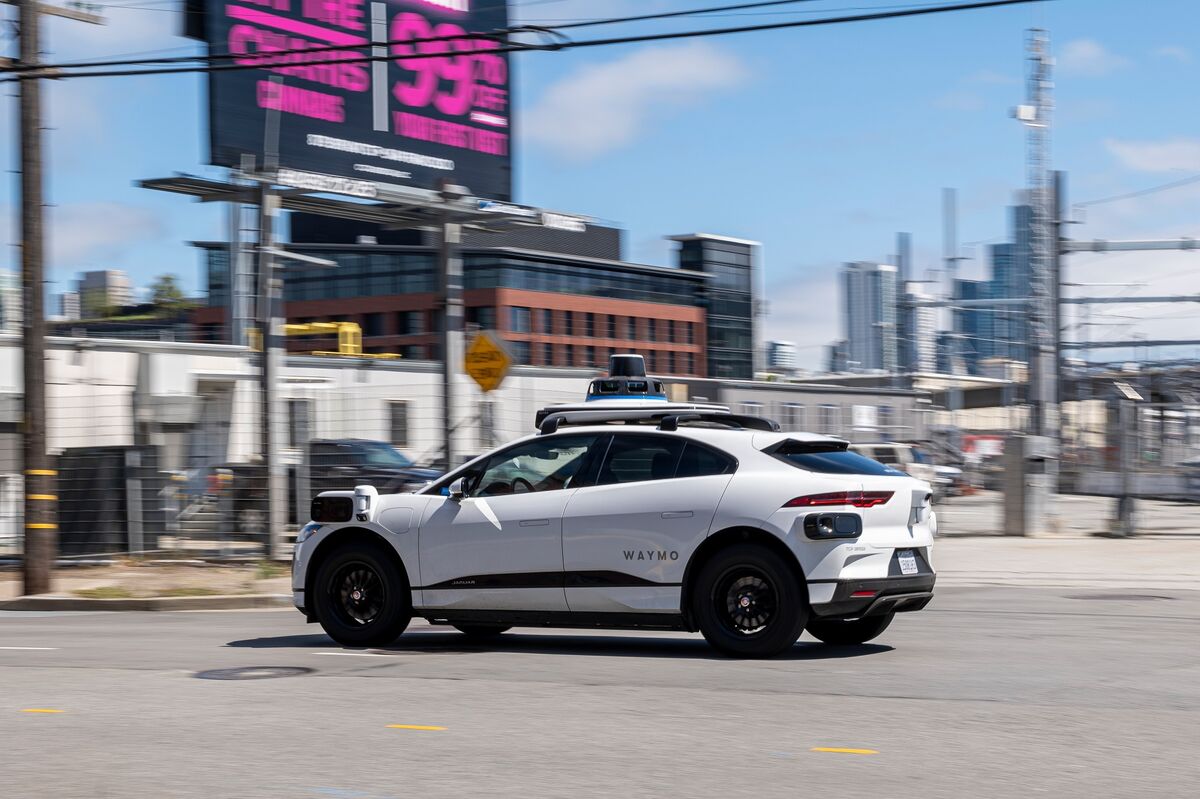
Waymo plans to issue a voluntary software recall over how its robotaxis operate around school buses following an NHTSA investigation opened in October (Kirsten Korosec/TechCrunch)
NeutralArtificial Intelligence
Waymo has announced plans to voluntarily issue a software recall concerning the operation of its robotaxis around school buses, following an investigation by the National Highway Traffic Safety Administration (NHTSA) that began in October. This decision comes in response to reports of the vehicles failing to adequately slow down or stop for school buses, raising safety concerns.
Waymo to issue software recall over how robotaxis behave around school buses
NegativeArtificial Intelligence
Waymo has announced a voluntary software recall to address concerns regarding its robotaxis' behavior around school buses, following increased scrutiny from federal regulators and local school district officials. This decision comes after reports of the autonomous vehicles failing to adequately slow down or stop for school buses, raising safety and reliability issues.
Waymo Plans Software Recall to Address Bus Incidents
NegativeArtificial Intelligence
Waymo announced plans for a voluntary software recall to address incidents where its autonomous vehicles failed to adequately slow down or stop for school buses, prompting concerns over safety and reliability. This decision follows a series of erratic behaviors exhibited by Waymo's self-driving cars, reminiscent of aggressive driving patterns seen in urban taxi drivers.
Feds ask Waymo about robotaxis repeatedly passing school buses in Austin
NeutralArtificial Intelligence
Federal regulators have initiated an investigation into Waymo's autonomous vehicles after reports of its robotaxis repeatedly passing school buses in Austin, Texas. This inquiry follows a similar investigation launched in October regarding Waymo's performance in school zones. In response, Waymo has implemented a software update aimed at enhancing the safety and performance of its fleet.
DynamicCity: Large-Scale 4D Occupancy Generation from Dynamic Scenes
PositiveArtificial Intelligence
DynamicCity has introduced a groundbreaking 4D occupancy generation framework that enhances urban scene generation by focusing on the dynamic nature of real-world driving environments. This framework utilizes a VAE model and a novel Projection Module to create high-quality dynamic 4D scenes, significantly improving fitting quality and reconstruction accuracy.
Are you a robot? Detecting Autonomous Vehicles from Behavior Analysis
PositiveArtificial Intelligence
A new framework has been developed to detect autonomous vehicles through behavior analysis, utilizing camera images and vehicle state information without requiring notifications from the vehicles themselves. This innovation aims to differentiate between autonomous and human-driven vehicles as the industry transitions towards advanced mobility solutions.
Waymo's testing AVs in four more cities, including Philly
NeutralArtificial Intelligence
Waymo is expanding its autonomous vehicle testing to four additional cities, including Philadelphia, as part of its strategy to enhance its presence in the autonomous transportation market. This move follows the company's recent approval from the California DMV to increase its operational map for driverless vehicles.
The Download: AI and coding, and Waymo’s aggressive driverless cars
NeutralArtificial Intelligence
The latest edition of The Download from MIT Technology Review discusses the transformative impact of artificial intelligence (AI) on coding practices and highlights Waymo's advancements in driverless car technology. The integration of AI is streamlining coding processes, while Waymo is expanding its autonomous vehicle services in California, marking significant milestones in both fields.