Cross-cultural value alignment frameworks for responsible AI governance: Evidence from China-West comparative analysis

arXiv — cs.CLMonday, November 24, 2025 at 5:00:00 AM
  • A recent study has introduced a Multi-Layered Auditing Platform for Responsible AI, aimed at evaluating cross-cultural value alignment in Large Language Models (LLMs) from China and the West. This research highlights the governance challenges posed by LLMs in high-stakes decision-making, revealing fundamental instabilities in value systems and demographic under-representation among leading models like Qwen and GPT-4o.
  • The findings underscore the importance of aligning AI technologies with diverse cultural values, particularly as LLMs increasingly influence critical decisions across global contexts. This alignment is essential for fostering trust and ensuring ethical AI deployment in various sectors.
  • The study reflects ongoing debates in the AI community regarding the effectiveness of current models in understanding and integrating cultural nuances. Issues such as the misclassification of human-generated content by AI detectors and the challenges of evaluating reasoning capabilities in LLMs further complicate the landscape, emphasizing the need for frameworks that enhance both cultural fidelity and interpretability in AI systems.
— via World Pulse Now AI Editorial System

Was this article worth reading? Share it

Recommended apps based on your readingExplore all apps
Continue Readings
US Eases Path for Nvidia to Sell H200s to China | Bloomberg Tech 1/14/2026
NeutralArtificial Intelligence
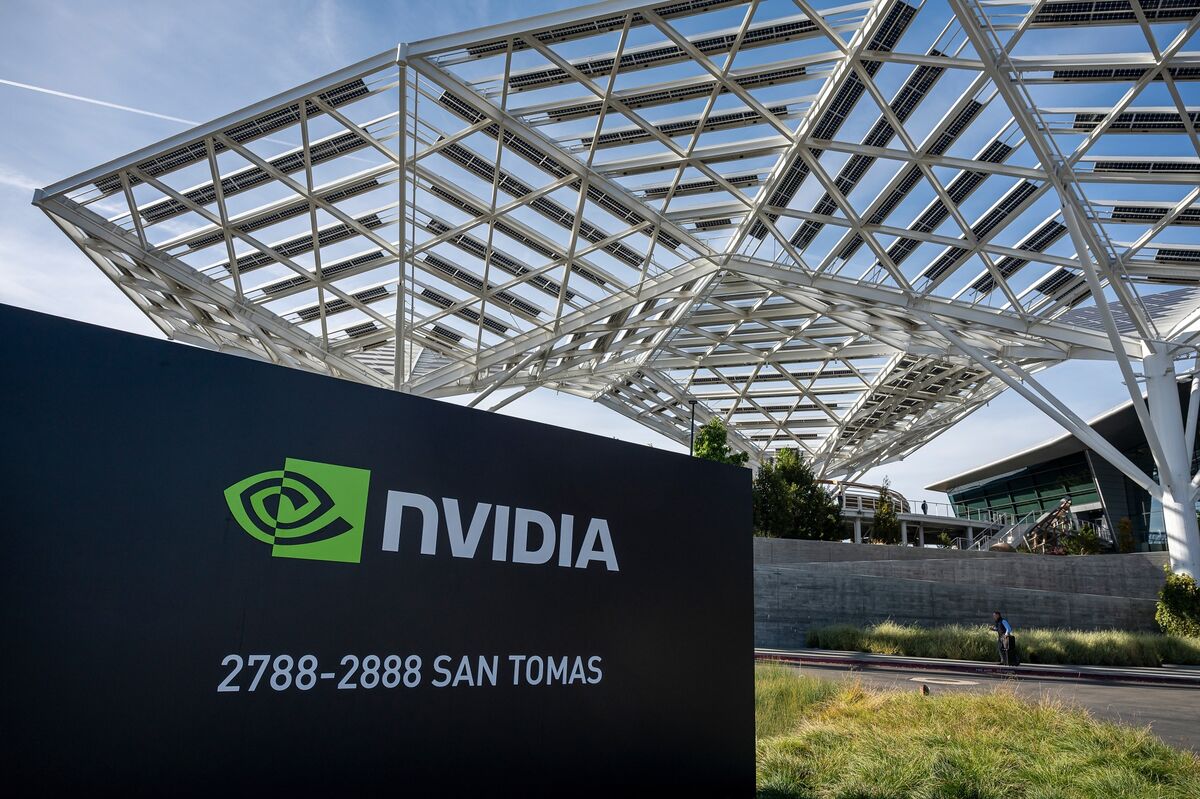
The U.S. Commerce Department has eased restrictions, allowing Nvidia to sell its H200 AI chips to approved customers in China, following a significant policy shift initiated by the Trump administration that lifted a previous export ban due to national security concerns. This decision marks a pivotal moment for Nvidia as it re-enters a crucial market after extensive lobbying efforts.
US Sets 25% Tariff on Some Chip Sales as Part of Nvidia Deal
NeutralArtificial Intelligence
The United States has imposed a 25% tariff on imports of certain advanced semiconductors, a move linked to an agreement allowing Nvidia Corp. to export its H200 artificial intelligence processors manufactured in Taiwan to China. This decision was endorsed by President Donald Trump, marking a significant shift in U.S. technology export policy.
Slack Adds New AI Capabilities
PositiveArtificial Intelligence
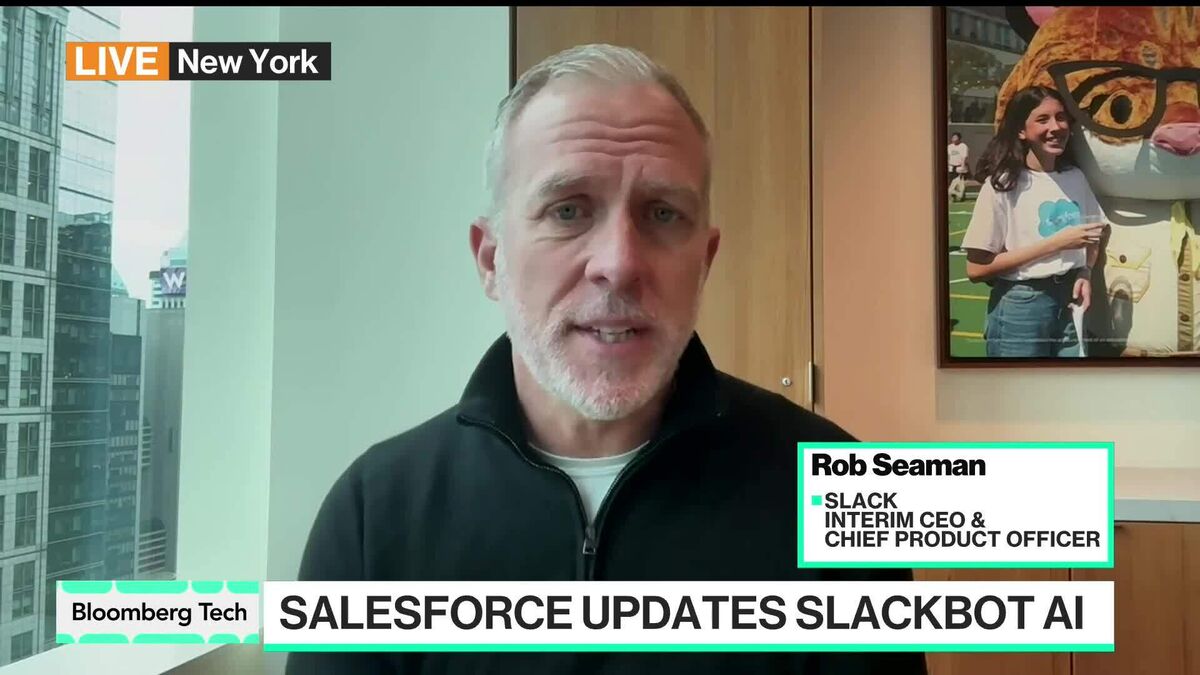
Salesforce has enhanced Slack's AI capabilities by integrating an upgraded Slackbot powered by Anthropic's Claude model, as announced by Rob Seaman, Slack's chief product officer and interim CEO, during an appearance on Bloomberg Tech.
China seeks approval to launch massive orbital satellite constellation
NeutralArtificial Intelligence
China has submitted two requests to the International Telecommunication Union to reserve orbital slots for a new satellite constellation aimed at enhancing its space-based communications capabilities. This initiative is part of a broader strategy to expand China's presence in low Earth orbit (LEO).
China Bans Cybersecurity Products From Top US, Israeli Firms
NegativeArtificial Intelligence
China has issued a directive prohibiting the use of cybersecurity products from leading American and Israeli firms, including Palo Alto Networks Inc., Fortinet Inc., and Check Point Software Technologies Ltd. This decision reflects ongoing tensions between China and these countries, particularly in the technology sector.
China may block US-approved imports of Nvidia H200 chips – report
NegativeArtificial Intelligence
The U.S. has approved the export of Nvidia's H200 AI chips to China, yet reports indicate that China may block these imports at customs, creating a significant barrier to entry for the technology. This development follows extensive negotiations and a stipulation of a 25% fee on sales.
ClimateIQA: A New Dataset and Benchmark to Advance Vision-Language Models in Meteorology Anomalies Analysis
PositiveArtificial Intelligence
A new dataset named ClimateIQA has been introduced to enhance the capabilities of Vision-Language Models (VLMs) in analyzing meteorological anomalies. This dataset, which includes 26,280 high-quality images, aims to address the challenges faced by existing models like GPT-4o and Qwen-VL in interpreting complex meteorological heatmaps characterized by irregular shapes and color variations.
LLaVAction: evaluating and training multi-modal large language models for action understanding
PositiveArtificial Intelligence
The research titled 'LLaVAction' focuses on evaluating and training multi-modal large language models (MLLMs) for action understanding, reformulating the EPIC-KITCHENS-100 dataset into a benchmark for MLLMs. The study reveals that leading MLLMs struggle with recognizing correct actions when faced with difficult distractors, highlighting a gap in their fine-grained action understanding capabilities.

Ready to build your own newsroom?

Subscribe to unlock a personalised feed, podcasts, newsletters, and notifications tailored to the topics you actually care about