Coreweave CEO defends AI circular deals as ‘working together’

TechCrunchWednesday, December 10, 2025 at 12:49:25 AM
  • Coreweave's CEO defended the company's AI circular deals, describing the current market as experiencing a 'violent change' in demand, particularly with Nvidia as both an investor and supplier. This statement highlights the strategic partnerships that are shaping the AI landscape.
  • The CEO's remarks underscore the importance of collaboration in navigating the rapidly evolving AI sector, where Coreweave aims to position itself as a key player amid increasing competition and demand for AI infrastructure.
  • This development reflects a broader trend in the AI industry, where major companies are forming alliances to enhance their capabilities, raising questions about market dynamics, competition, and the future of innovation in a sector increasingly dominated by a few key players.
— via World Pulse Now AI Editorial System

Was this article worth reading? Share it

Recommended apps based on your readingExplore all apps
Continue Readings
Sources: China added AI chips from Chinese groups to its government-approved list of suppliers for the first time, before Trump's move to allow Nvidia exports (Zijing Wu/Financial Times)
NeutralArtificial Intelligence
China has added AI chips from domestic companies, including Huawei and Cambricon, to its government-approved supplier list for the first time, coinciding with the Trump administration's decision to allow Nvidia to export its H200 AI chips to China. This marks a significant shift in China's approach to AI technology procurement amid ongoing geopolitical tensions.
Trump’s Nvidia Chip Deal Reverses Decades of Technology Restrictions
NeutralArtificial Intelligence
President Trump has authorized Nvidia to sell its advanced H200 AI chips to approved customers in China, effectively lifting a previous export ban that was imposed due to national security concerns. This decision marks a significant shift in U.S. technology export policy, reversing decades of restrictions on technology sales to China.
Nvidia Wins US Approval to Sell H200 Chips to China | Bloomberg Tech 12/9/2025
PositiveArtificial Intelligence
President Trump has granted Nvidia permission to sell its H200 artificial intelligence chips to approved customers in China, lifting a previous export ban due to national security concerns. This decision includes a 25% surcharge on sales, marking a significant policy shift in U.S.-China tech relations.
Sources: Nvidia's H200 chips for China, mainly manufactured in Taiwan, will travel to the US for an unusual national security review before they are exported (Wall Street Journal)
NeutralArtificial Intelligence
Nvidia's H200 chips, primarily manufactured in Taiwan, will undergo an unusual national security review in the U.S. before being exported to China. This review is part of the U.S. government's efforts to monitor technology transfers that could impact national security.
Source: Trump allowed Nvidia to sell H200s to China after concluding the move carried a lower security risk as Huawei offers systems with comparable performance (Bloomberg)
NeutralArtificial Intelligence
President Donald Trump has authorized Nvidia Corp. to sell its H200 artificial intelligence chips to approved customers in China, reversing a previous export ban due to national security concerns. This decision was influenced by the competitive landscape, particularly Huawei's advancements in AI technology, which presented a comparable performance to Nvidia's offerings.
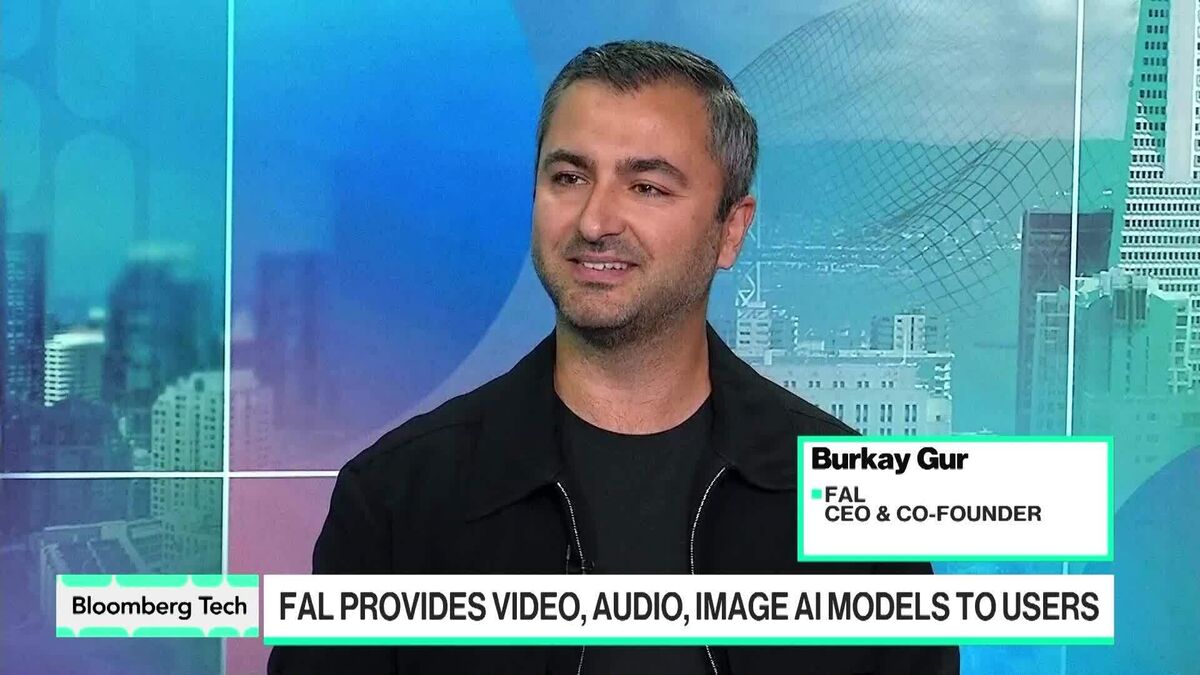
Fal’s Software Optimizes Nvidia Chips Says CEO
PositiveArtificial Intelligence
Burkay Gur, CEO of fal, announced that the company optimizes Nvidia chips for running AI models in audio, video, and image generation during an interview on Bloomberg Tech. This development follows fal's recent fundraising efforts, highlighting its commitment to leveraging advanced technology in generative media.
Nvidia Can Ship H200 Chips to China
NeutralArtificial Intelligence
The U.S. government has granted Nvidia permission to sell its H200 artificial intelligence chips to approved customers in China, effectively lifting a previous export ban that was imposed due to national security concerns. This decision follows extensive lobbying efforts by Nvidia and is seen as a significant policy shift under the Trump administration.
The Trillion-Dollar Race to Fragment the Nvidia Monopoly
NegativeArtificial Intelligence
Nvidia's dominance in the hardware market is increasingly challenged by the rise of custom silicon developed by cloud hyperscalers and a shift towards more cost-effective inference chips. This trend indicates a significant transformation in the AI computing landscape, where competition is intensifying.