IBM Says It or Google Will Win Quantum Advantage Race

EE TimesThursday, December 11, 2025 at 1:00:00 PM
IBM Says It or Google Will Win Quantum Advantage Race
  • IBM has announced that it is in a close competition with Google for achieving quantum advantage, countering previous assertions made by D-Wave regarding their advancements in quantum computing. This declaration underscores the ongoing rivalry in the quantum technology sector, where both companies are striving to lead the market.
  • The significance of this development lies in IBM's commitment to quantum computing, which is seen as a critical area for future technological advancements. As both IBM and Google invest heavily in this field, their competition could accelerate breakthroughs that may redefine computing capabilities.
  • This race for quantum advantage reflects broader trends in the tech industry, where companies are increasingly focused on developing advanced computing technologies. The emergence of alliances, such as the Quantum Scaling Alliance, and innovations in AI chips, like Google's TPUv7 Ironwood, highlight the interconnected nature of advancements in quantum computing and artificial intelligence, indicating a transformative period in technology.
— via World Pulse Now AI Editorial System

Was this article worth reading? Share it

Continue Readings
Magika 1.0: Smarter, Faster File Detection with Rust and AI
PositiveArtificial Intelligence
Google has released version 1.0 of Magika, an open-source file type detection system that utilizes AI and is built in Rust, enhancing its speed and security while supporting a broader range of file types.
Google Translate expands live translation to all earbuds on Android
PositiveArtificial Intelligence
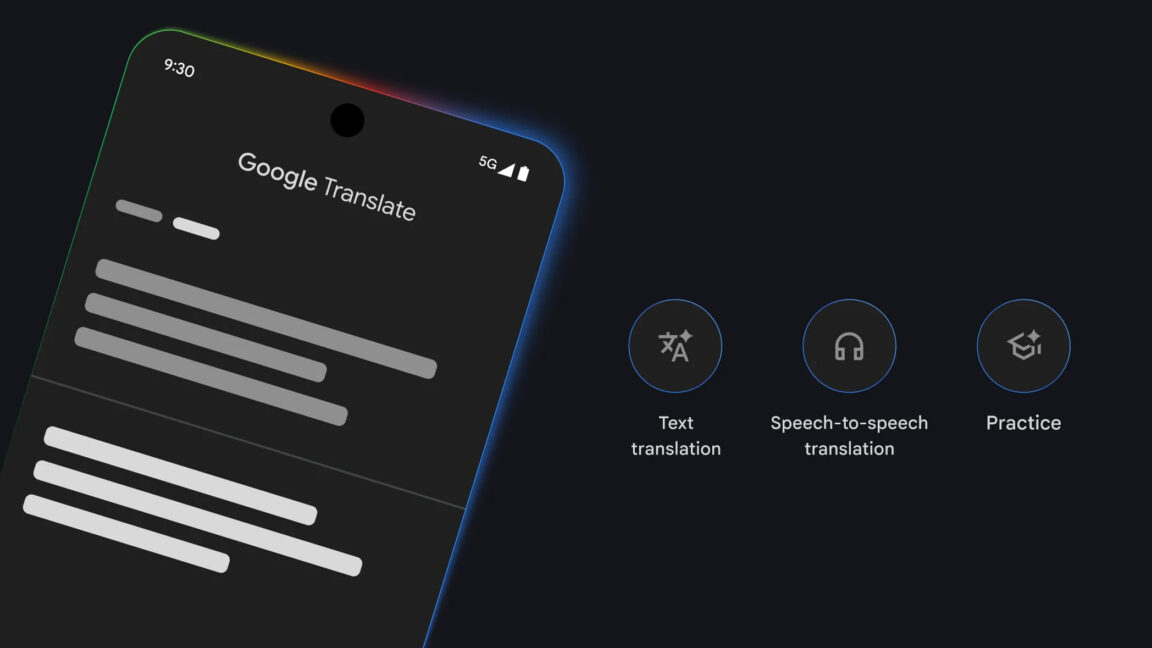
Google has announced the expansion of its live translation feature to all earbuds on Android devices, with plans to roll out similar capabilities to iOS in the coming months. This enhancement aims to facilitate real-time communication across language barriers, making it easier for users to converse in different languages seamlessly.
Google and Apple roll out emergency security updates after zero-day attacks
PositiveArtificial Intelligence
Google and Apple have both released emergency security updates to address vulnerabilities that were actively exploited in zero-day attacks. Apple has patched its flagship devices, while Google has updated Chrome to fix a specific vulnerability that was part of these attacks.
Google improves "Search Live" with new AI voice
PositiveArtificial Intelligence
Google has introduced a new AI voice for its 'Search Live' feature, leveraging the advanced capabilities of its Gemini model to provide more natural and fluent responses. This enhancement aims to improve user interaction and satisfaction with Google's search functionalities.
Google expands Google Translate's live speech translation from Pixel Buds to any headphones, supporting 70+ languages, in beta on compatible Android phones (Stevie Bonifield/The Verge)
PositiveArtificial Intelligence
Google has expanded its live speech translation feature from Pixel Buds to any headphones, now supporting over 70 languages in beta on compatible Android devices. This update allows users to hear real-time translations directly in their headphones, enhancing communication across language barriers.
Android phones can now share live video with 911 during emergencies
PositiveArtificial Intelligence
Android smartphones have been updated to include a feature that allows users to share live video feeds directly with 911 during emergencies, enhancing the ability of emergency services to assess situations in real-time. This rollout of Android Emergency Live Video (ELV) aims to improve communication during critical incidents such as accidents or medical emergencies.
Google Translate is now better at translating slang terms and idioms using AI
PositiveArtificial Intelligence
Google Translate has improved its ability to translate slang terms and idioms, leveraging advancements in artificial intelligence (AI). This enhancement is part of Google's ongoing efforts to refine its translation services, making them more relevant and accurate for users across diverse linguistic contexts.
Google's latest experimental browser turns tabs into custom mini-apps
PositiveArtificial Intelligence
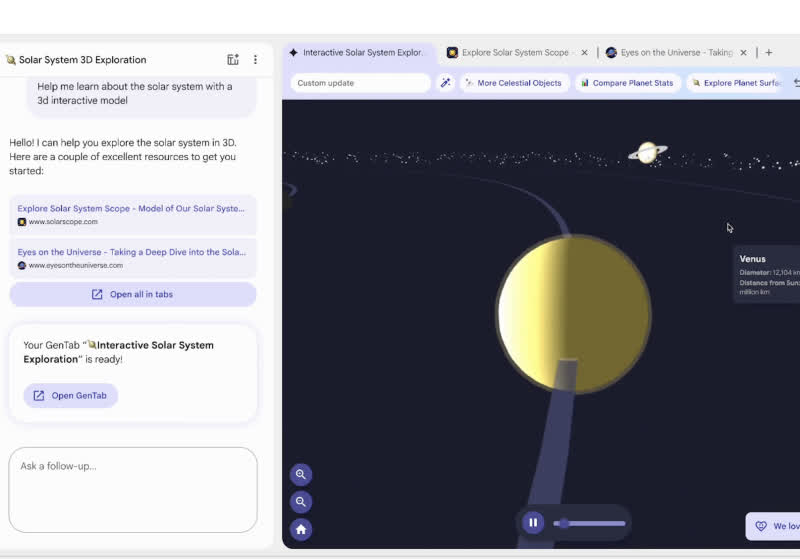
Google has introduced Disco, an experimental web browser that transforms browser tabs into interactive mini-apps, evolving from a hackathon project into a prototype aimed at enhancing user experience by creating personalized workspaces for each browsing session. Parisa Tabriz, head of the Chrome team, highlighted the innovative nature of this project.

Ready to build your own newsroom?

Subscribe to unlock a personalised feed, podcasts, newsletters, and notifications tailored to the topics you actually care about