Study: ~200 Instacart shoppers in four US cities were shown different prices for the same 20 grocery items; Instacart confirms it is running short term "tests" (Ben Casselman/New York Times)

TechmemeWednesday, December 10, 2025 at 12:45:00 AM
Study: ~200 Instacart shoppers in four US cities were shown different prices for the same 20 grocery items; Instacart confirms it is running short term "tests" (Ben Casselman/New York Times)
  • A recent study involving approximately 200 Instacart shoppers across four U.S. cities revealed that they were presented with varying prices for the same 20 grocery items. Instacart has confirmed that it is conducting short-term tests related to pricing strategies, indicating a shift in how prices are determined for consumers.
  • This development is significant for Instacart as it explores algorithmic pricing, which could enhance its competitive edge in the online grocery market. By testing different pricing models, the company aims to optimize revenue while adapting to consumer behavior and market dynamics.
  • The introduction of algorithmic pricing raises important questions about transparency and fairness in online retail. In New York, new regulations require online retailers to disclose when prices are set by algorithms, reflecting growing concerns among consumer advocates and regulators about the implications of such pricing strategies on consumer trust and market competition.
— via World Pulse Now AI Editorial System

Was this article worth reading? Share it

Recommended apps based on your readingExplore all apps
Continue Readings
Sources: at a November meeting in the Oval Office, Jensen Huang told President Trump that a flurry of state AI laws could cause the US to lose the AI race (Wall Street Journal)
NegativeArtificial Intelligence
At a recent meeting in the Oval Office, Jensen Huang, CEO of Nvidia, warned President Trump that a surge of state-level AI regulations could jeopardize the United States' position in the global AI race. Huang's concerns highlight the potential for fragmented regulations to hinder innovation and competitiveness in the rapidly evolving AI sector.
A Guide to the Nvidia Chips at the Center of US-China AI Rivalry
NeutralArtificial Intelligence
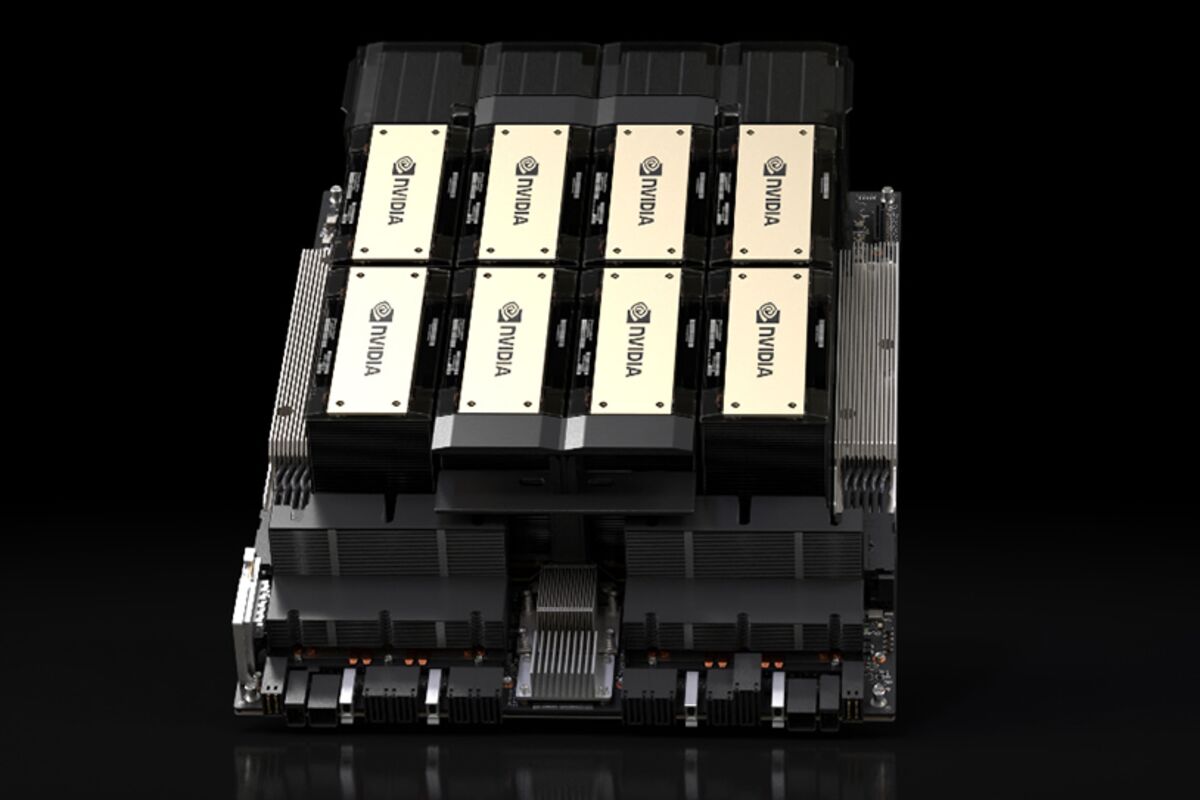
The Trump administration has approved the sale of Nvidia's H200 artificial intelligence chips to China, marking a significant shift in U.S. policy regarding technology exports. This decision follows extensive negotiations and aims to facilitate the use of these advanced chips by Chinese companies, which have been restricted due to national security concerns.
Sources: Nvidia's H200 chips for China, mainly manufactured in Taiwan, will travel to the US for an unusual national security review before they are exported (Wall Street Journal)
NeutralArtificial Intelligence
Nvidia's H200 chips, primarily manufactured in Taiwan, will undergo an unusual national security review in the U.S. before being exported to China. This review is part of the U.S. government's efforts to monitor technology transfers that could impact national security.
Nvidia could pay US a 25pc profit cut to sell H200 AI chips to China
NeutralArtificial Intelligence
The Trump administration has approved Nvidia's sale of H200 artificial intelligence chips to China, allowing the company to proceed with exports contingent upon a 25% profit cut to the U.S. government. This decision follows extensive negotiations and reflects a significant shift in U.S. policy regarding technology exports to China.
US Poised to Loosen Nvidia Chip Export Limits to China
NeutralArtificial Intelligence
The U.S. government is considering easing export restrictions on Nvidia's H200 artificial intelligence chips to China, a significant shift in policy as the company faces increasing competition from Chinese rivals in the AI sector. This potential decision follows extensive negotiations and reflects changing dynamics in U.S.-China technology relations.
Trump says the US will allow Nvidia to ship H200 chips to "approved customers" in China and elsewhere, and 25% of the chip sales will be paid to the US (Kevin Breuninger/CNBC)
NeutralArtificial Intelligence
President Donald Trump announced that the U.S. will permit Nvidia to ship its H200 artificial intelligence chips to approved customers in China and other regions, with a stipulation that 25% of the sales revenue will be paid to the U.S. government. This decision follows extensive negotiations and marks a significant shift in U.S. policy regarding technology exports to China.
Report: Aging power grid puts OpenAI and Microsoft's growth at risk
NegativeArtificial Intelligence
A recent report indicates that the aging power grid in the United States poses a significant risk to the growth plans of OpenAI and Microsoft, highlighting a potential energy gap that could hinder their operations. This situation raises alarms about the sustainability of their expansion strategies in an increasingly energy-dependent tech landscape.
US Backs Moroccan Firm That Seeks to Produce Key Chip Material
PositiveArtificial Intelligence
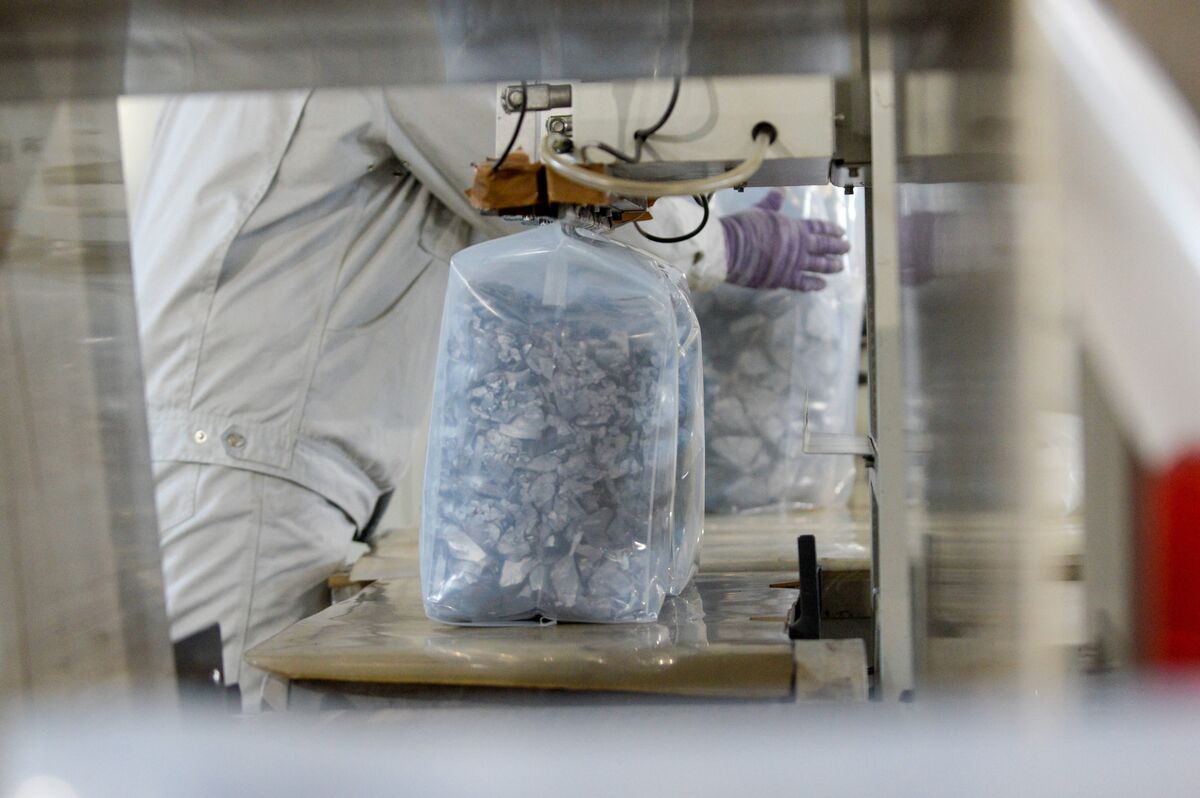
The US government is supporting a Moroccan company that aims to produce a highly purified form of silicon, essential for manufacturing semiconductors and solar panels. This initiative is part of a broader strategy to diversify supply chains and reduce reliance on China for critical technology materials.