Genesis Mission: Why Trump's plan to put AIs in charge of science could backfire

Phys.org — AI & Machine LearningTuesday, December 2, 2025 at 4:31:42 PM
Genesis Mission: Why Trump's plan to put AIs in charge of science could backfire
  • President Donald Trump has initiated the 'Genesis Mission,' an ambitious plan to leverage artificial intelligence (AI) in scientific research, aiming to address significant challenges in fields such as robotics, biotechnology, and nuclear fusion. This initiative is part of a broader strategy to enhance innovation and efficiency in scientific practices by utilizing federal datasets for AI model training.
  • The Genesis Mission represents a pivotal moment for the Trump administration, as it seeks to position the United States as a leader in AI innovation. By integrating AI into scientific research, the initiative aims to streamline processes and potentially accelerate breakthroughs in critical areas that impact national interests and economic growth.
  • This development occurs against a backdrop of ongoing debates about AI regulation and transparency. While the Genesis Mission aims to foster innovation, there are concerns regarding the implications of AI governance, particularly in light of Trump's proposed executive orders that could limit state-level AI regulations. The juxtaposition of promoting AI advancements while managing regulatory frameworks highlights the complexities of navigating technological progress in a competitive global landscape.
— via World Pulse Now AI Editorial System
Was this article worth reading? Share it

Recommended apps based on your readingExplore all apps
Continue Readings
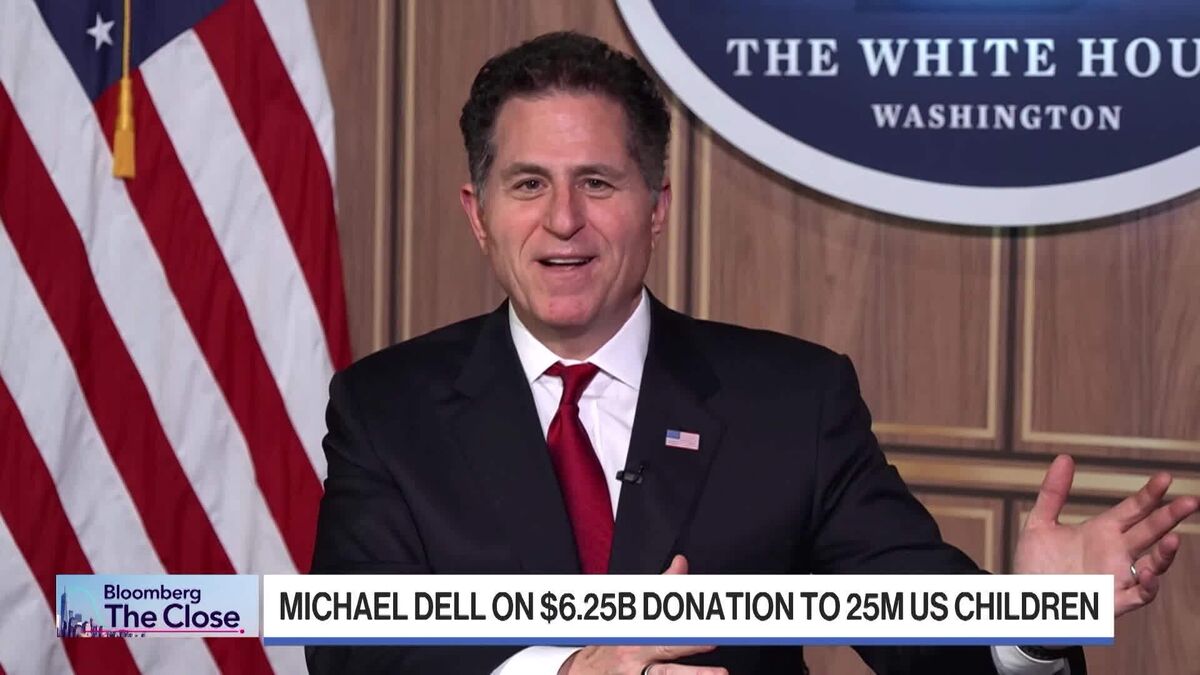
Michael Dell 'Super Excited' to See Kids' Accounts Grow
PositiveArtificial Intelligence
Dell CEO Michael Dell announced a $6.25 billion initiative to provide 25 million American children with $250 each to start investment accounts, building on the earlier 'Trump accounts' initiative linked to President Donald Trump's One Big Beautiful Bill Act. This announcement was made during an appearance on Bloomberg The Close.
Tech Industry Drive to Block State AI Laws Hits Wall in Congress
NegativeArtificial Intelligence
A coalition of tech companies, supported by the White House's AI chief, has failed to convince Congress to include provisions in a critical defense bill that would prevent state-level regulations on artificial intelligence. This setback was indicated by a key congressional Republican, highlighting the challenges faced by the tech industry in influencing legislative outcomes.
Approximate domain unlearning: Enabling safer and more controllable vision-language models
NeutralArtificial Intelligence
A recent study has introduced the concept of approximate domain unlearning, aimed at enhancing the safety and controllability of vision-language models (VLMs), which are pivotal in artificial intelligence for interpreting various forms of visual and textual data.
Mapping the cosmos of innovation: AI model charts the age and trajectory of 23,000 technologies
PositiveArtificial Intelligence
A team of researchers has developed a comprehensive open map detailing the age and growth trajectory of 23,000 emerging technologies, focusing on areas such as artificial intelligence and quantum computing. This mapping initiative aims to provide valuable insights for governments, companies, and investors globally.
America is Run by Lawyers, China by Engineers, Says Expert. Who Will Win?
NeutralArtificial Intelligence
Dan Wang, a research fellow at the Hoover Institution, highlighted the ongoing competition between the U.S. and China in trade and technology, suggesting that the global economy is becoming increasingly protectionist and fragmented. He emphasized that China is intensifying its focus on artificial intelligence and other technologies, posing a significant challenge to the West.
Bank of England Warns Debt-Fueled AI Boom Could Unravel
NegativeArtificial Intelligence
The Bank of England has issued a warning regarding the risks associated with a multi-trillion dollar spending boom in artificial intelligence infrastructure that is largely financed through debt. The central bank highlighted that current stock market valuations are 'materially stretched', raising concerns about the sustainability of this growth.