UniBiomed: A Universal Foundation Model for Grounded Biomedical Image Interpretation

arXiv — cs.CVFriday, December 12, 2025 at 5:00:00 AM
  • The introduction of UniBiomed marks a significant advancement in AI-assisted biomedical image analysis, addressing the critical need for models that can generate accurate diagnostic findings while simultaneously localizing relevant biomedical objects. This universal foundation model integrates a Multi-modal Large Language Model with a Segment Anything Model, enhancing the interpretability of AI-generated results for clinicians.
  • This development is crucial as it bridges the gap between AI-generated findings and clinical practice, allowing healthcare professionals to correlate diagnostic insights with visual evidence in medical images. By improving the interpretability of AI outputs, UniBiomed aims to enhance clinical decision-making and patient outcomes.
  • The emergence of UniBiomed reflects a broader trend in healthcare towards integrating advanced AI technologies, emphasizing the importance of reliable and interpretable AI systems. As the healthcare sector increasingly adopts AI, concerns about system degradation and the need for continuous performance monitoring are paramount. This highlights the ongoing dialogue about the ethical implications and trustworthiness of AI in clinical settings.
— via World Pulse Now AI Editorial System

Was this article worth reading? Share it

Recommended apps based on your readingExplore all apps
Continue Readings
From Reactive to Autonomous: The Future of the AI Data Flywheel
NeutralArtificial Intelligence
The evolution of artificial intelligence (AI) is transitioning from reactive systems to autonomous frameworks, marking a significant shift in how data is processed and utilized. This change is encapsulated in the concept of the AI data flywheel, which emphasizes the continuous improvement of AI systems through self-optimization and learning from data interactions.
Merriam-Webster’s word of the year delivers a dismissive verdict on junk AI content
NegativeArtificial Intelligence
Merriam-Webster has designated 'Slop' as the Word of the Year for 2025, reflecting the increasing prevalence of low-quality AI-generated content on the internet. This term encapsulates the growing concern over the impact of artificial intelligence on content creation, particularly as it relates to the dilution of quality in digital media.
As Q-Day Nears, A New Approach Is Needed for HPC and AI Data Security
NeutralArtificial Intelligence
As the deadline for Q-Day approaches, high-performance computing (HPC) and artificial intelligence (AI) providers face the urgent need to rethink data security strategies. The challenge lies in securing sensitive data without compromising system performance, prompting a shift towards innovative encryption methods that protect data while in use.
AI might finally deliver real ROI for businesses in 2026 - and experts say this is why
PositiveArtificial Intelligence
Experts predict that 2026 may be the year when artificial intelligence (AI) finally delivers tangible returns on investment (ROI) for businesses, as companies increasingly commit to integrating AI into their operations. This shift comes after years of mixed results, with many organizations still grappling with the effectiveness of their AI initiatives.
Rocket Doctor AI: As the Healthcare Battle Rages, AI Can Help Bridge the Divide
NeutralArtificial Intelligence
The World Health Organization has raised concerns about the integration of artificial intelligence (AI) in healthcare, emphasizing the need for responsible deployment to bridge existing gaps in medical services. The emergence of AI technologies, such as Rocket Doctor AI, aims to enhance healthcare delivery amidst ongoing debates about their implications.
The 'AI homeless man prank' reveals a crisis in AI education
NegativeArtificial Intelligence
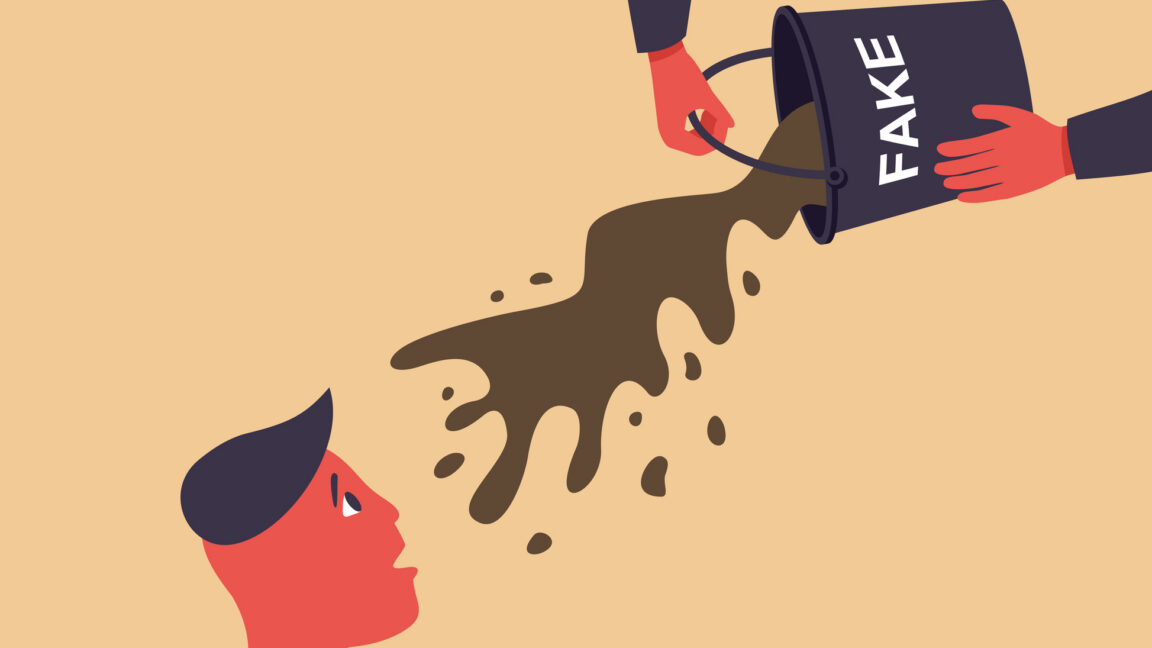
The recent TikTok trend known as the 'AI homeless man prank' has incited significant outrage and police involvement across the United States. This prank utilizes AI image generators to fabricate realistic images of fake homeless individuals, placing them at the doorsteps or inside homes, raising ethical concerns regarding the misuse of AI technology.
What's at stake in Trump's executive order aiming to curb state-level AI regulation
NeutralArtificial Intelligence
President Donald Trump signed an executive order on December 11, 2025, aimed at overriding state-level regulations on artificial intelligence (AI), which the administration believes hinder innovation in the sector. This order establishes a federal task force to challenge state laws that may restrict AI development.
Why Industry Leaders Are Betting on Mutually Exclusive Futures
NeutralArtificial Intelligence
Industry leaders are increasingly investing in mutually exclusive futures for artificial intelligence (AI), acknowledging the uncertainty surrounding its trajectory. This strategic approach reflects a lack of consensus on the future of AI, as organizations navigate complex challenges and opportunities in the evolving landscape.

Ready to build your own newsroom?

Subscribe to unlock a personalised feed, podcasts, newsletters, and notifications tailored to the topics you actually care about