Big Nvidia Buyer Faces Smuggling Probe

Bloomberg TechnologyTuesday, December 23, 2025 at 7:00:36 PM
Big Nvidia Buyer Faces Smuggling Probe
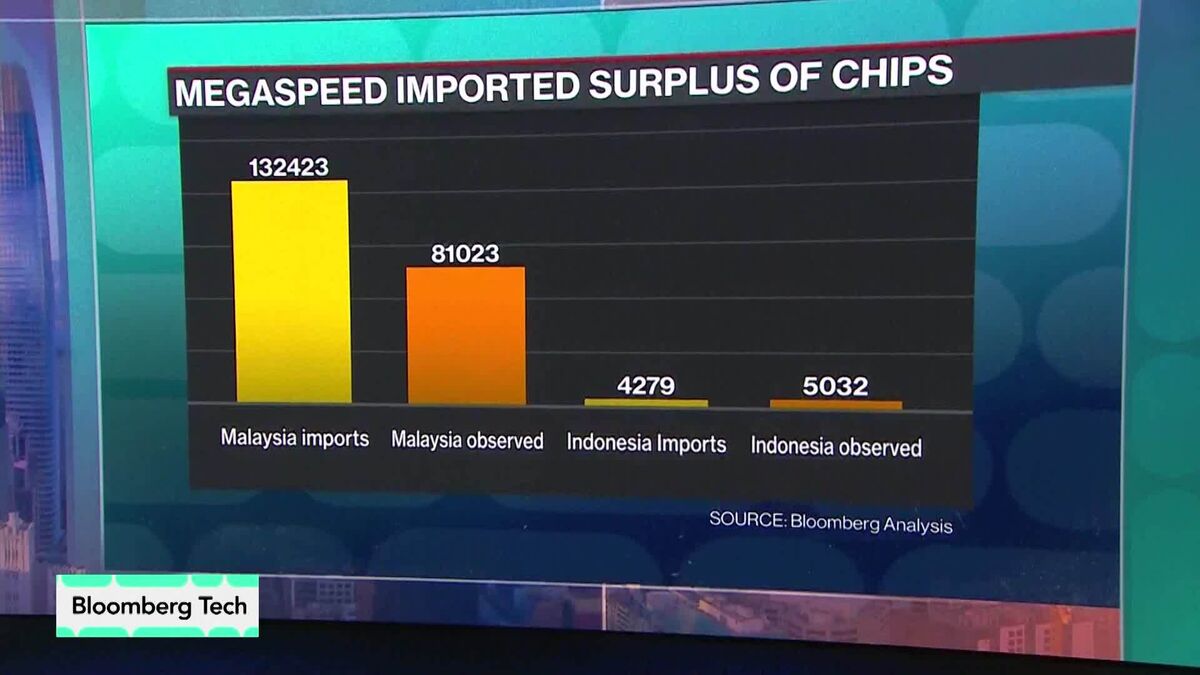
  • The U.S. government is investigating Nvidia's largest buyer in Southeast Asia, Megaspeed, over allegations of smuggling chips into China, raising concerns about compliance with export regulations. This scrutiny follows discrepancies in chip importation records, suggesting potential illegal activities.
  • This investigation could significantly impact Nvidia's operations and reputation, particularly as it seeks to navigate complex international trade regulations and maintain its market position in Asia amid rising scrutiny.
  • The situation highlights ongoing tensions in U.S.-China relations regarding technology exports, especially as Nvidia recently received approval to sell advanced AI chips to China, a move that could reshape market dynamics and intensify competition in the semiconductor industry.
— via World Pulse Now AI Editorial System


Was this article worth reading? Share it

Recommended apps based on your readingExplore all apps
Continue Readings
China EUV Breakthrough and the Rise of the ‘Silicon Curtain’
NegativeArtificial Intelligence
The activation of a China EUV prototype signifies a pivotal advancement in semiconductor technology, marking a significant shift in the global landscape of silicon production and diminishing the protective
Nvidia Buyer Megaspeed Faces Smuggling Probe | Bloomberg Tech 12/23/2025
NegativeArtificial Intelligence
Nvidia's largest buyer in Southeast Asia, Megaspeed, is currently under investigation for potential chip smuggling, as authorities scrutinize the importation of significantly more chips than Nvidia's records indicate. This probe raises concerns about the legality of Megaspeed's operations and its impact on Nvidia's reputation.
Strive CEO Discusses the Future of DATs as Stocks Slide
NegativeArtificial Intelligence
Digital asset treasuries (DATs) experienced a meteoric rise in popularity in 2025, attracting high-profile investors like Peter Thiel and the Trump family. However, this trend has rapidly reversed, with DAT stocks now facing significant declines, prompting Strive CEO Matt Cole to discuss these developments on Bloomberg Crypto.
There Are Too Many DATs Right Now: Strive CEO
NeutralArtificial Intelligence
Strive CEO Matt Cole discussed the recent decline in digital asset treasury (DAT) stocks during an appearance on Bloomberg Crypto, highlighting the rapid growth of DATs in 2025 and the ongoing debate regarding MSCI's potential exclusion of companies with significant digital asset holdings from its Global Investable Market Indexes.
Hard to Define Competition in Streaming: Yale’s Scott Morton
NeutralArtificial Intelligence
Fiona Scott Morton, a Professor of Economics at Yale, highlighted the complexities in defining competition within the streaming industry during her discussion on Bloomberg Tech, particularly in relation to Netflix's proposed acquisition of Warner Bros. Discovery.
ITI CEO on the Tech Industry's Roadmap for 2026
NeutralArtificial Intelligence
Jason Oxman, president and CEO of the Information Technology Industry Association, outlined the tech industry's roadmap for 2026 during an interview on Bloomberg Tech, addressing key issues such as data center expansion, AI regulation, and tech export restrictions.
Nvidia Sets Sights on China Again as H200 Chip Shipments Near
NeutralArtificial Intelligence
Nvidia is preparing to resume shipments of its H200 artificial intelligence chips to China, following recent approvals from the U.S. government that allow the export of these chips, which are primarily manufactured in Taiwan. The company has indicated plans to increase production capacity for these chips to meet anticipated demand.
After a yearlong review, the US says China is engaging in unfair chip trade practices, but holds off on additional chip import tariffs at least until mid-2027 (Jordan Fabian/Bloomberg Law)
NegativeArtificial Intelligence
The United States has concluded a yearlong review, accusing China of engaging in unfair trade practices within the semiconductor sector, yet it has decided to refrain from imposing additional tariffs on chip imports until at least mid-2027. This decision comes amid ongoing tensions between the two nations regarding technology and trade policies.

Ready to build your own newsroom?

Subscribe to unlock a personalised feed, podcasts, newsletters, and notifications tailored to the topics you actually care about