The Download: sodium-ion batteries and China’s bright tech future

MIT Technology ReviewTuesday, January 13, 2026 at 1:00:00 PM
The Download: sodium-ion batteries and China’s bright tech future
  • Sodium-ion batteries are emerging as a viable alternative to lithium-ion batteries, particularly in electric vehicles and energy storage systems, as the industry seeks to address the limitations of lithium's supply and price volatility. This shift is gaining traction in China, which is positioning itself as a leader in this technology.
  • The development of sodium-ion batteries is significant for China as it aims to enhance its technological capabilities and reduce reliance on lithium imports, potentially reshaping the global battery market.
  • This transition reflects broader trends in the electric vehicle sector, where China has seen rapid growth but now faces challenges related to battery disposal and environmental impacts, highlighting the need for sustainable solutions in the face of increasing demand for EVs.
— via World Pulse Now AI Editorial System
Was this article worth reading? Share it

Recommended apps based on your readingExplore all apps
Continue Readings
US Eases Path for Nvidia to Sell H200s to China | Bloomberg Tech 1/14/2026
NeutralArtificial Intelligence
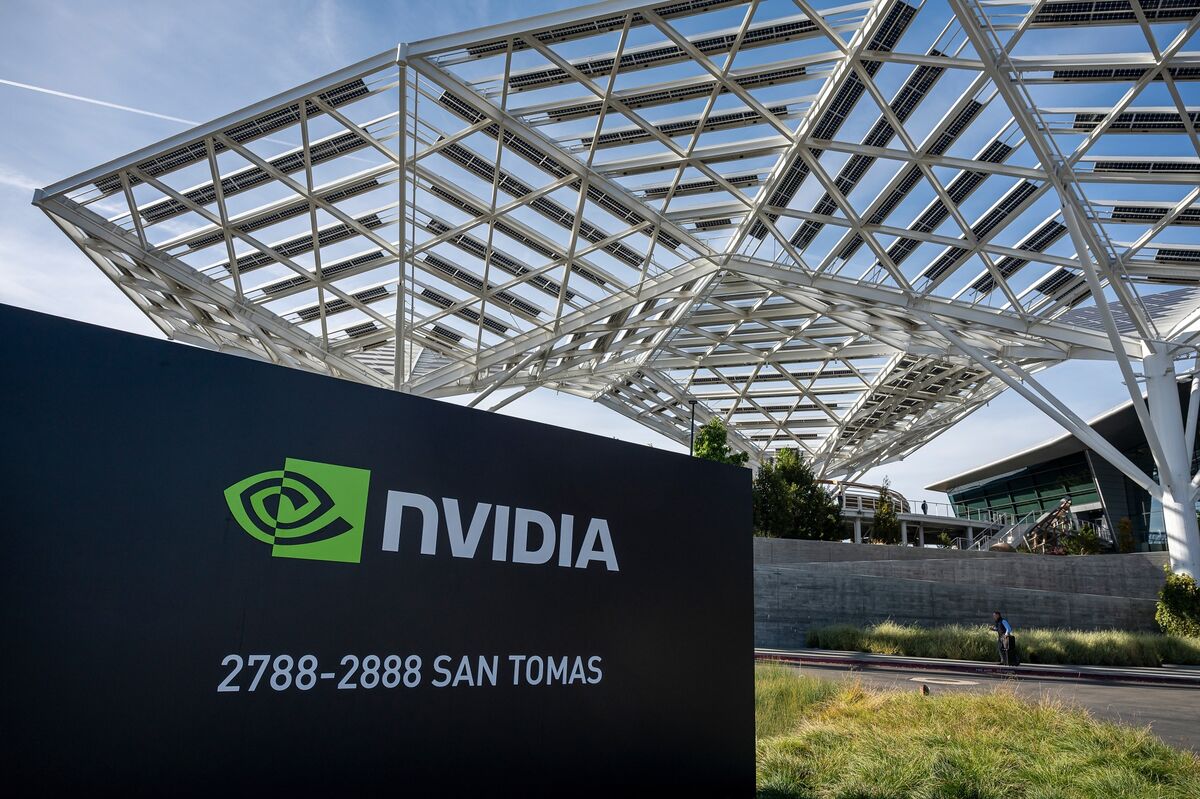
The U.S. Commerce Department has eased restrictions, allowing Nvidia to sell its H200 AI chips to approved customers in China, following a significant policy shift initiated by the Trump administration that lifted a previous export ban due to national security concerns. This decision marks a pivotal moment for Nvidia as it re-enters a crucial market after extensive lobbying efforts.
US Sets 25% Tariff on Some Chip Sales as Part of Nvidia Deal
NeutralArtificial Intelligence
The United States has imposed a 25% tariff on imports of certain advanced semiconductors, a move linked to an agreement allowing Nvidia Corp. to export its H200 artificial intelligence processors manufactured in Taiwan to China. This decision was endorsed by President Donald Trump, marking a significant shift in U.S. technology export policy.
China seeks approval to launch massive orbital satellite constellation
NeutralArtificial Intelligence
China has submitted two requests to the International Telecommunication Union to reserve orbital slots for a new satellite constellation aimed at enhancing its space-based communications capabilities. This initiative is part of a broader strategy to expand China's presence in low Earth orbit (LEO).
China Bans Cybersecurity Products From Top US, Israeli Firms
NegativeArtificial Intelligence
China has issued a directive prohibiting the use of cybersecurity products from leading American and Israeli firms, including Palo Alto Networks Inc., Fortinet Inc., and Check Point Software Technologies Ltd. This decision reflects ongoing tensions between China and these countries, particularly in the technology sector.
The Download: next-gen nuclear, and the data center backlash
NeutralArtificial Intelligence
The latest edition of The Download from MIT Technology Review highlights the rising interest in next-generation nuclear reactors, which are gaining traction as a solution to climate change and energy independence concerns, moving away from outdated 20th-century designs.
Data centers are amazing. Everyone hates them.
NeutralArtificial Intelligence
The hyperscale data center has emerged as a critical infrastructure component, characterized by vast facilities housing thousands of specialized computer chips that execute complex calculations for advanced AI models. These massive structures, often spanning millions of square feet, are constructed with substantial materials and extensive wiring to support their operations. Despite their technological significance, they face widespread public discontent due to environmental and social concerns.
China may block US-approved imports of Nvidia H200 chips – report
NegativeArtificial Intelligence
The U.S. has approved the export of Nvidia's H200 AI chips to China, yet reports indicate that China may block these imports at customs, creating a significant barrier to entry for the technology. This development follows extensive negotiations and a stipulation of a 25% fee on sales.
China’s Hottest App Is a Daily Test of Whether You’re Still Alive
PositiveArtificial Intelligence
The app 'Are You Dead Yet' has rapidly ascended to the top of app-store charts in China, attracting significant investor interest. Despite its success, one of the app's creators has announced plans to change its name in an exclusive interview with WIRED.

Ready to build your own newsroom?

Subscribe to unlock a personalised feed, podcasts, newsletters, and notifications tailored to the topics you actually care about