New York Times Sues A.I. Start-Up Perplexity Over Use of Copyrighted Work

NYT — TechnologyFriday, December 5, 2025 at 4:10:35 PM
New York Times Sues A.I. Start-Up Perplexity Over Use of Copyrighted Work
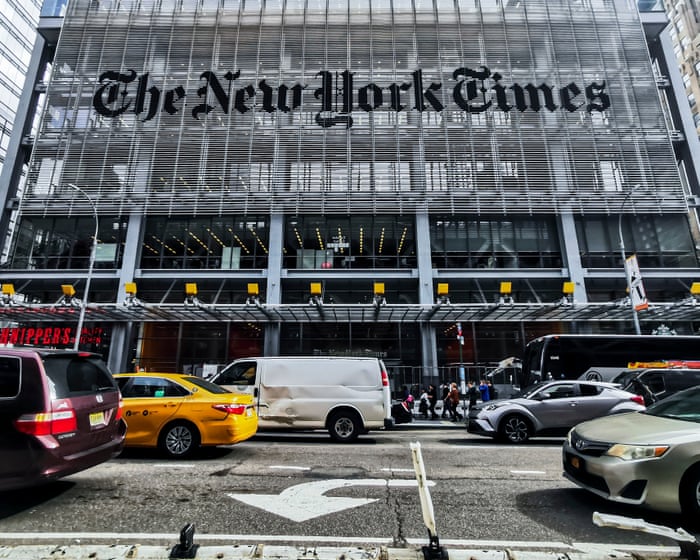
  • The New York Times has filed a lawsuit against the A.I. start-up Perplexity in federal court, alleging the unauthorized use of copyrighted material. This legal action is part of a broader trend, as it joins over 40 similar disputes between copyright holders and A.I. companies, highlighting ongoing tensions in the industry.
  • This lawsuit underscores the increasing scrutiny A.I. companies face regarding copyright issues, potentially impacting their operations and innovation. With Dow Jones also suing Perplexity, the outcome could set significant precedents for how A.I. firms navigate intellectual property rights.
— via World Pulse Now AI Editorial System

Was this article worth reading? Share it

Recommended apps based on your readingExplore all apps
Continue Readings
The NYT Sues Perplexity as Meta Partners With Publishers
NeutralArtificial Intelligence
The New York Times has initiated legal action against Perplexity, highlighting ongoing tensions in the AI industry as publishers seek compensation for their content used in training language models. This lawsuit underscores the complexities surrounding copyright and content usage in the digital age.
New York Times sues AI startup for ‘illegal’ copying of millions of articles
NegativeArtificial Intelligence
The New York Times has filed a lawsuit against the AI startup Perplexity, alleging that it illegally copied millions of articles and displayed them without permission. The lawsuit also claims that Perplexity's generative AI products create fabricated content, misattributing it to the newspaper while violating its trademarks under the Lanham Act.
NYT sues AI search engine Perplexity for alleged content misuse
NegativeArtificial Intelligence
The New York Times has filed a lawsuit against the AI search engine Perplexity in federal court, alleging that the company has misused its content by illegally copying millions of articles and displaying them without permission. This legal action highlights ongoing tensions between traditional media and emerging AI technologies.
The New York Times is suing Perplexity for copyright infringement
NegativeArtificial Intelligence
The New York Times has filed a copyright lawsuit against the AI startup Perplexity, alleging unauthorized use of its copyrighted material. This legal action is part of a growing trend among major media companies to protect their content from generative AI technologies that utilize their work without proper licensing agreements.
The New York Times and Chicago Tribune sue Perplexity over alleged copyright infringement
NegativeArtificial Intelligence
The New York Times and Chicago Tribune have filed a lawsuit against the startup Perplexity, alleging copyright infringement. This legal action is part of a broader initiative by major media companies to protect their content from generative AI technologies that they claim use their material without permission.
OpenAI ordered to turn over 20 million ChatGPT chats to the New York Times
NeutralArtificial Intelligence
A federal court has ordered OpenAI to disclose 20 million anonymized ChatGPT logs as part of a lawsuit filed by the New York Times. This ruling is significant as it highlights the ongoing scrutiny of AI companies regarding user data and transparency in their operations.
Chicago Tribune sues Perplexity
NegativeArtificial Intelligence
The Chicago Tribune has filed a lawsuit against Perplexity, alleging copyright infringement related to its Retrieval Augmented Generation (RAG) technology. The newspaper claims that Perplexity's use of its content without permission constitutes a violation of copyright law.
Meta says it is shifting some of its investment from metaverse toward AI glasses and wearables, and "we aren't planning any broader changes than that" (Mike Isaac/New York Times)
NeutralArtificial Intelligence
Meta has announced a strategic shift in its investment focus, reallocating resources from its metaverse unit to augmented reality glasses and wearables, while affirming that no broader changes are planned. This decision includes a 30% budget cut for the metaverse unit, reflecting a reassessment of financial priorities.