Google opens its infrastructure for AI models via MCP

THE DECODERThursday, December 11, 2025 at 4:32:23 PM
Google opens its infrastructure for AI models via MCP
  • Google has integrated Anthropic's Model Context Protocol (MCP) into its cloud infrastructure, enhancing the capabilities of its AI models and services. This move allows developers to leverage advanced AI functionalities more seamlessly within Google's ecosystem.
  • This development is significant for Google as it strengthens its position in the competitive AI landscape, particularly against rivals like OpenAI. By adopting MCP, Google aims to improve the integration of AI tools, potentially attracting more developers and enterprises to its platform.
  • The introduction of MCP aligns with broader trends in the AI sector, where companies are racing to enhance their offerings amid increasing competition. Anthropic's rise in the enterprise AI market highlights a shift in dynamics, as it quietly gains traction while Google and OpenAI vie for dominance, indicating a diversification of leadership in AI technologies.
— via World Pulse Now AI Editorial System

Was this article worth reading? Share it

Recommended apps based on your readingExplore all apps
Continue Readings
Why most enterprise AI coding pilots underperform (Hint: It's not the model)
NeutralArtificial Intelligence
The recent advancements in generative AI for software engineering have led to the emergence of agentic coding, where AI systems can plan and execute code changes. However, many enterprise AI coding pilots are underperforming, primarily due to inadequate context surrounding the code, rather than flaws in the AI models themselves.
A nonprofit is paying hackers to unlock devices companies have abandoned
NeutralArtificial Intelligence
A nonprofit organization has initiated a program to pay hackers for unlocking devices that companies, such as Google with its Nest thermostats, have abandoned. This move comes after Google ceased support for its first- and second-generation Nest thermostats, rendering many of their features inoperable and frustrating users who invested in the technology.
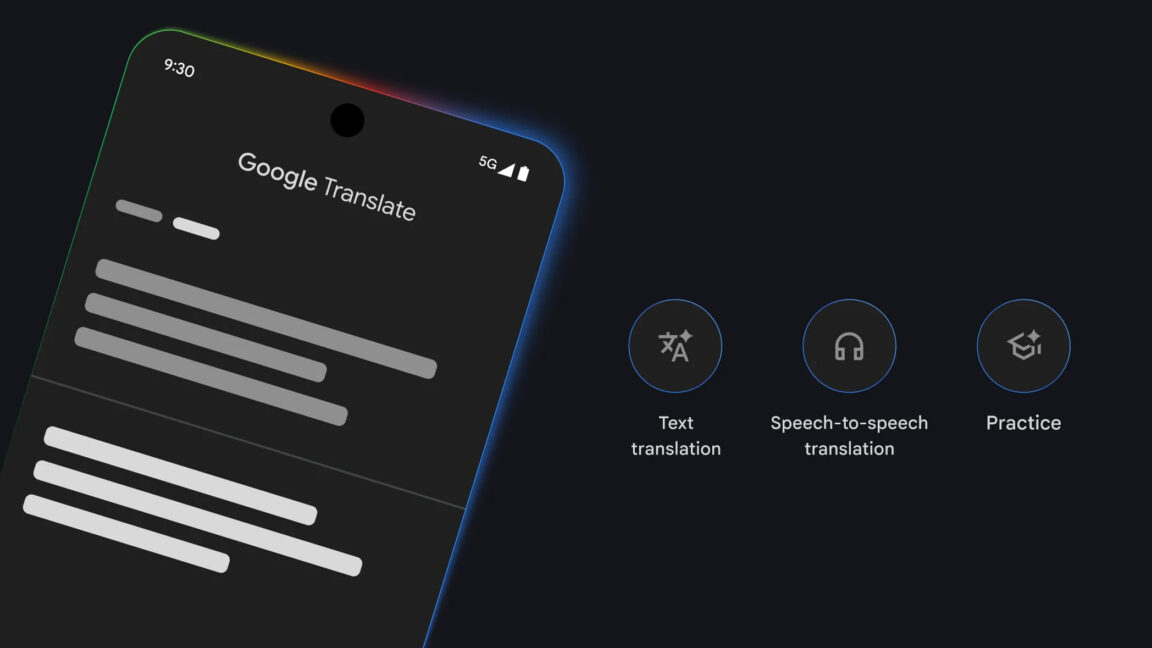
Google's new live translation beta uses Gemini to preserve tone and rhythm
PositiveArtificial Intelligence
Google has launched a beta version of its live translation feature, integrating the Gemini AI model into Google Translate to enhance real-time voice translations through headphones. This development allows users to receive translations in over 70 languages while preserving the speaker's tone and rhythm.
Anthropic’s Chief Scientist Says We’re Rapidly Approaching the Moment That Could Doom Us All
NegativeArtificial Intelligence
Anthropic's Chief Scientist has warned that humanity is rapidly approaching a critical juncture that could lead to catastrophic consequences due to the unchecked advancement of artificial intelligence. This alarming statement reflects growing concerns about the potential for AI systems to surpass human control, posing existential risks.
OpenAI quietly adopts Anthropic’s modular skills framework to boost agent capabilities
PositiveArtificial Intelligence
OpenAI has begun integrating Anthropic’s modular skills framework, which was introduced in October, into its tools, including Codex and ChatGPT, to enhance the capabilities of its AI agents. This move indicates a strategic shift towards adopting more flexible and modular AI systems that can adapt to various tasks and user needs.
Magika 1.0: Smarter, Faster File Detection with Rust and AI
PositiveArtificial Intelligence
Google has released version 1.0 of Magika, an open-source file type detection system that utilizes AI and is built in Rust, enhancing its speed and security while supporting a broader range of file types.
Google Translate expands live translation to all earbuds on Android
PositiveArtificial Intelligence
Google has announced the expansion of its live translation feature to all earbuds on Android devices, with plans to roll out similar capabilities to iOS in the coming months. This enhancement aims to facilitate real-time communication across language barriers, making it easier for users to converse in different languages seamlessly.
Google and Apple roll out emergency security updates after zero-day attacks
PositiveArtificial Intelligence
Google and Apple have both released emergency security updates to address vulnerabilities that were actively exploited in zero-day attacks. Apple has patched its flagship devices, while Google has updated Chrome to fix a specific vulnerability that was part of these attacks.

Ready to build your own newsroom?

Subscribe to unlock a personalised feed, podcasts, newsletters, and notifications tailored to the topics you actually care about