OCC Clarifies Bank Authority for Regulated Crypto Trade Execution

Bitcoin.comThursday, December 11, 2025 at 12:20:45 AM
OCC Clarifies Bank Authority for Regulated Crypto Trade Execution
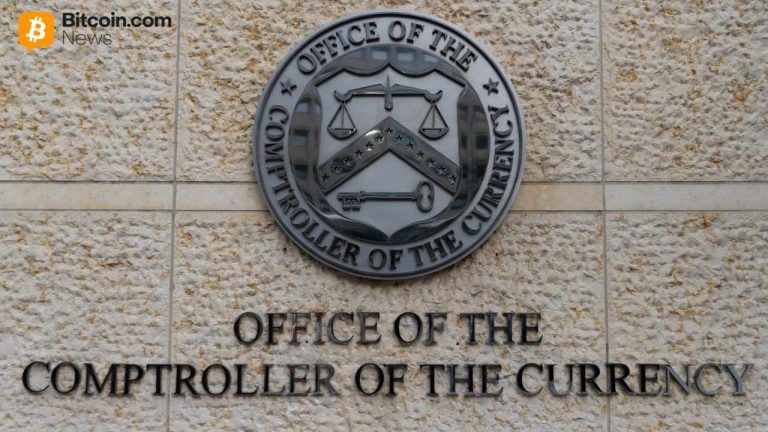
  • The Office of the Comptroller of the Currency (OCC) has clarified that U.S. banks are authorized to execute riskless principal transactions involving cryptocurrencies, enhancing their role in the digital-asset market. This decision, outlined in Interpretive Letter 1188, marks a significant regulatory shift aimed at fostering innovation and improving market liquidity.
  • This development is crucial for U.S. banks as it allows them to engage more actively in cryptocurrency transactions without taking on excessive risk. By enabling these transactions, the OCC is paving the way for banks to integrate digital assets into their services, potentially attracting new customers and increasing their competitiveness in the evolving financial landscape.
  • The OCC's actions reflect a broader trend of regulatory acceptance of cryptocurrencies within traditional banking. As banks adapt to these new guidelines, they may face challenges from traditionalists within the industry who resist the integration of digital assets. However, the OCC's support signals a commitment to innovation and modernization in banking practices, suggesting that the future of finance may increasingly involve digital currencies.
— via World Pulse Now AI Editorial System


Was this article worth reading? Share it

Recommended apps based on your readingExplore all apps
Continue Readings
OCC Highlights Major Concerns Over Crypto Debanking Practices Among Major Banks
NegativeCryptocurrency
The Office of the Comptroller of the Currency (OCC) has raised significant concerns regarding the practice of crypto debanking among nine major banks, including JPMorgan Chase and Bank of America, highlighting a potential resurgence of restrictive measures against the cryptocurrency sector. This supervisory review has sparked fears of a new wave of regulatory actions reminiscent of 'Operation Chokepoint 2.0.'
OCC clears U.S. banks to run riskless principal crypto trades in 2025
PositiveCryptocurrency
The Office of the Comptroller of the Currency (OCC) has issued Interpretive Letter 1188, confirming that U.S. banks are authorized to conduct riskless principal transactions involving cryptocurrencies starting in 2025. This decision marks a significant regulatory shift, easing previous restrictions imposed by the Federal Reserve, FDIC, and OCC on banks' involvement with digital assets.
Fitch Warns: US Banks’ Crypto Exposure Threatens Credit Ratings
NegativeCryptocurrency
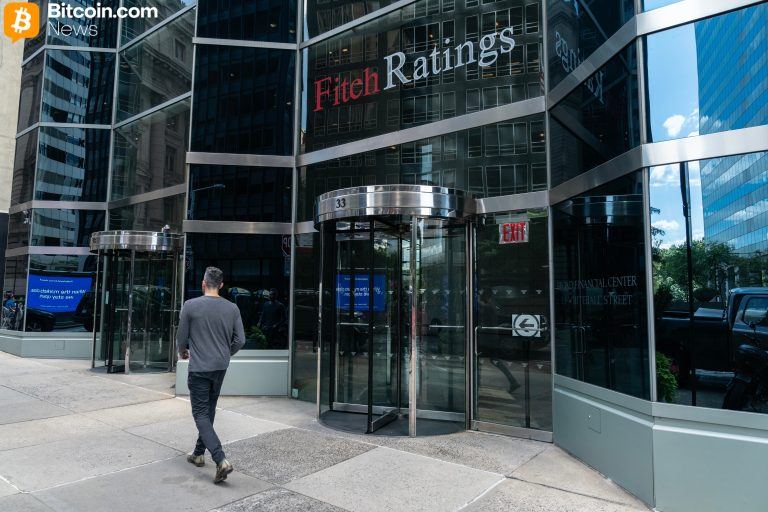
Fitch Ratings has issued a warning regarding the increasing exposure of U.S. banks to cryptocurrencies, highlighting the potential risks that could lead to downgrades in their credit ratings. This caution comes as banks explore digital assets for new revenue streams, which may also expose them to significant financial volatility.
OCC Confirms Banks Can Act as Intermediaries in Crypto Transactions
NeutralCryptocurrency
The Office of the Comptroller of the Currency (OCC) has confirmed that national banks in the U.S. are allowed to act as intermediaries in cryptocurrency transactions, specifically through riskless principal transactions. This clarification marks a significant regulatory step in the evolving landscape of digital assets.
US Banks Cleared For ‘Riskless’ Crypto Transactions Following OCC Letter
PositiveCryptocurrency
The Office of the Comptroller of the Currency (OCC) has authorized national banks in the United States to engage in 'riskless principal transactions' involving cryptocurrencies, as outlined in Interpretive Letter 1188. This marks a significant regulatory shift, allowing banks to facilitate crypto transactions without assuming risk.
OCC confirms banks can execute riskless principal crypto transactions
PositiveCryptocurrency
The Office of the Comptroller of the Currency (OCC) has confirmed that banks in the U.S. are permitted to conduct riskless principal transactions involving cryptocurrencies, a move aimed at enhancing market liquidity and fostering innovation while ensuring compliance with regulatory standards.