UK spending half an hour longer online than in pandemic, says Ofcom

BBC NewsWednesday, December 10, 2025 at 12:04:38 AM
UK spending half an hour longer online than in pandemic, says Ofcom
  • A recent survey by Ofcom revealed that UK residents are spending an average of four hours and 30 minutes online daily in 2025, which is half an hour longer than during the pandemic. This increase highlights a shift in digital consumption patterns as people continue to adapt to a more online-centric lifestyle.
  • This development is significant as it indicates a sustained reliance on digital platforms for various activities, including work, entertainment, and social interaction. The extended online time may reflect changing consumer habits and preferences in the post-pandemic era.
  • The rise in online engagement occurs alongside forecasts of faster economic growth and lower inflation in the UK for 2026, suggesting that as consumers spend more time online, they may also be navigating a complex economic landscape that influences their spending and budgeting decisions.
— via World Pulse Now AI Editorial System

Was this article worth reading? Share it

Recommended apps based on your readingExplore all apps
Continue Readings
Britons watch YouTube for 51 minutes a day, regulator Ofcom says
NeutralFinancial Markets
A recent report from Ofcom indicates that Britons are now spending an average of 51 minutes daily watching YouTube, reflecting a significant engagement with the platform. This data highlights the growing importance of digital media consumption in the UK.
Rachel Reeves’s test from the bond markets starts now
NeutralFinancial Markets
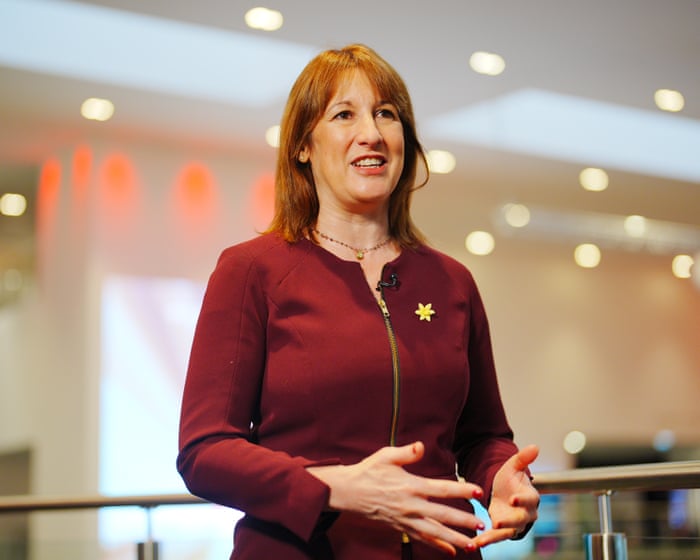
UK gilt yields have seen a slight decrease compared to other major economies, indicating a potential shift in the bond markets as Chancellor Rachel Reeves navigates fiscal challenges. Despite this drop, the UK still faces a significant premium on borrowing costs, with 10-year government gilt yields rising compared to US Treasury bonds and eurozone counterparts since the last general election.
UK’s higher borrowing costs compared with major countries ‘may be coming to an end’
PositiveFinancial Markets
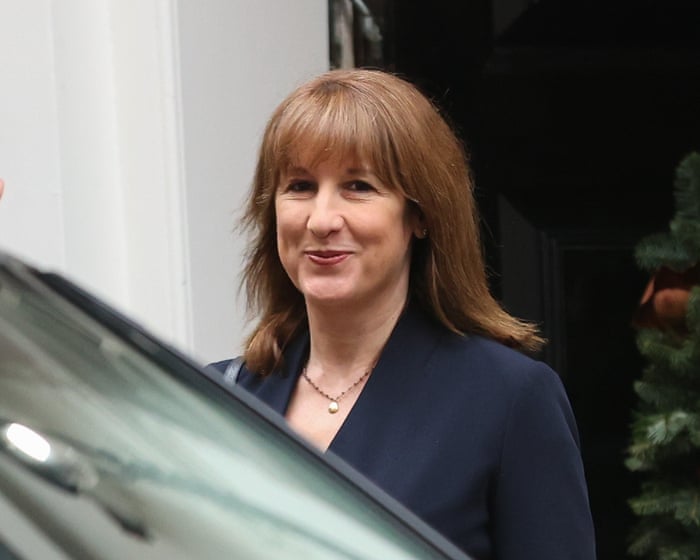
The Institute for Public Policy Research has indicated that the UK may soon see a reduction in the premium it pays to borrow compared to other major countries, as confidence in the government's fiscal strategy grows following Chancellor Rachel Reeves's autumn budget announcement. This budget aims to increase the UK's financial headroom significantly by 2030.
Ofgem approves early investment in three UK electricity ‘superhighways’
PositiveFinancial Markets
Ofgem has approved early investment in three major electricity 'superhighways' in the UK, aimed at alleviating grid bottlenecks that prevent efficient electricity distribution during high generation periods, particularly from wind farms. This initiative is expected to reduce costs for consumers by minimizing the need to turn off wind farms when demand is low.
Thirteen Labour MPs vote for talks on joining EU customs union
NeutralFinancial Markets
Thirteen Labour MPs voted in favor of initiating discussions on the UK potentially rejoining the EU customs union, as part of a bill proposed by the Liberal Democrats. The vote resulted in a tie, with 100 MPs supporting and 100 opposing the measure, highlighting a divided stance on this issue within Parliament.
UK fraud prevention ‘still lacking’ after Covid-related scams and errors cost £11bn
NegativeFinancial Markets
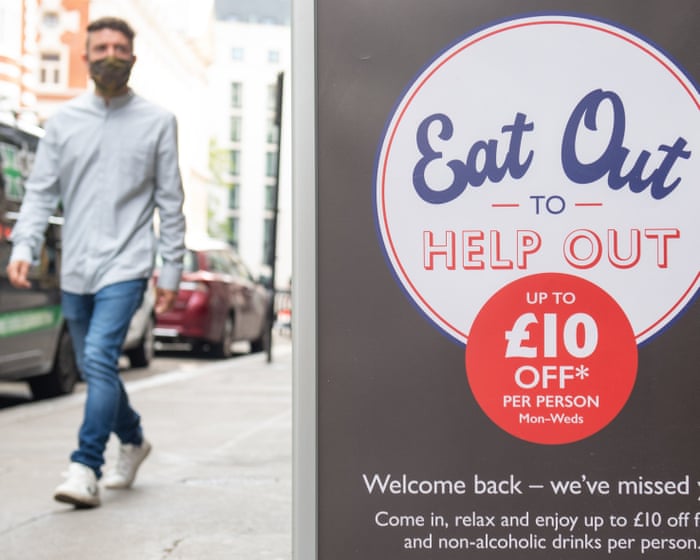
A report by Covid counter-fraud commissioner Tom Hayhoe revealed that fraud and errors related to government support schemes during the pandemic have cost UK taxpayers £10.9 billion, with most losses from bounceback loans, furlough pay, and the eat out to help out initiative remaining unrecovered.
UK grocery inflation steady at 4.7%, keeps pressure on households, says Worldpanel
NeutralFinancial Markets
UK grocery inflation has remained steady at 4.7%, according to Worldpanel, continuing to exert financial pressure on households. This stability follows a period of fluctuating food prices, which have recently seen increases despite a broader decline in general inflation rates.
UK consumer spending disappointed in November, surveys show
NegativeFinancial Markets
UK consumer spending showed disappointing results in November, as surveys indicated a decline in consumer confidence and spending patterns. This downturn reflects ongoing economic challenges and uncertainty affecting various sectors within the UK market.