U.S. Investors Are Going Big on China AI Despite Concerns in Congress

The Wall Street JournalWednesday, December 10, 2025 at 5:00:00 PM
U.S. Investors Are Going Big on China AI Despite Concerns in Congress
  • U.S. investors are significantly increasing their investments in Chinese artificial intelligence (AI) companies, despite rising tensions and concerns from Congress regarding technology competition between Washington and Beijing. This trend highlights a strong belief in the potential of China's AI sector.
  • The growing investment in Chinese AI firms suggests that U.S. investors are optimistic about the profitability and innovation potential within this market, even as political scrutiny intensifies. This could lead to substantial financial returns if the sector continues to thrive.
  • The ongoing U.S.-China AI race is marked by substantial investments aimed at enhancing computing capabilities, reflecting a broader global competition in technology. While some investors express caution due to potential market bubbles and regulatory challenges, the enthusiasm for AI remains robust, indicating a complex landscape of risk and opportunity.
— via World Pulse Now AI Editorial System

Was this article worth reading? Share it

Recommended apps based on your readingExplore all apps
Continue Readings
When AI takes the tasks, managers take the relationships
NeutralFinancial Markets
Leaders are increasingly advocating for the use of AI to automate administrative tasks traditionally managed by human managers, allowing these leaders to focus more on building relationships with their teams. This shift is seen as essential in enhancing team dynamics and overall workplace engagement.
China urged Mexico to rectify “unilateral, protectionist practices,” saying that tariffs of up to 50% announced by the Latin American country harm Chinese interests
NegativeFinancial Markets
Mexico has approved tariffs of up to 50% on various imports from China, prompting a strong response from Beijing, which criticized the measures as unilateral and harmful to Chinese interests.
China leads objections to Trump carve-out on global minimum tax
NegativeFinancial Markets
China, along with several European nations, has raised objections to a proposed exemption for US multinationals from the OECD's global minimum tax framework, effectively stalling the agreement. This move highlights the tensions surrounding international tax policies and the influence of major economies in shaping these regulations.
China’s oil demand to plateau between 2025-2030, CNPC research says
NeutralFinancial Markets
China's oil demand is projected to plateau between 2025 and 2030, according to research from CNPC. This forecast indicates a significant shift in the country's energy consumption patterns as it navigates economic challenges and seeks to stabilize its energy market.
China Vows to Boost Domestic Demand
PositiveFinancial Markets
Chinese officials have announced a commitment to prioritize domestic demand in their economic policy roadmap for 2026, signaling a shift in focus towards internal consumption. This decision comes as part of broader efforts to stabilize and sustain economic growth in the country.
Mexico approves up to 50% tariffs on China and other countries
NeutralFinancial Markets
Mexico has approved tariffs of up to 50% on various imports from China and other countries, set to take effect on January 1. This decision includes a range of goods such as cars, clothing, and appliances, marking a significant shift in the country's trade policy.
Japan-China Spat Shows No Signs for Offramp, Says Komeito Party Leader
NegativeFinancial Markets
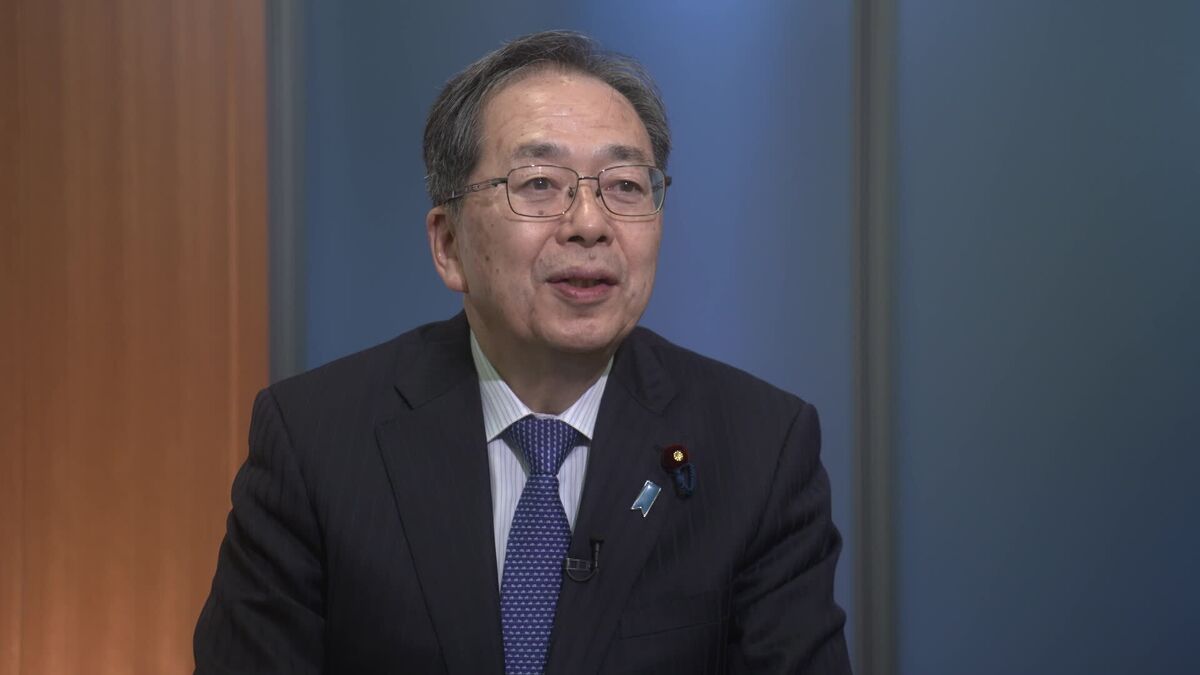
The ongoing dispute between Japan and China shows no signs of resolution, as stated by Tetsuo Saito, leader of the Komeito party, during an exclusive interview in Tokyo. Despite previous efforts to ease tensions, Komeito continues to engage with Beijing behind the scenes, indicating a complex diplomatic landscape.
China Small-Cap Rally Triggers Hunt for More A-Shares, UBS Says
PositiveFinancial Markets
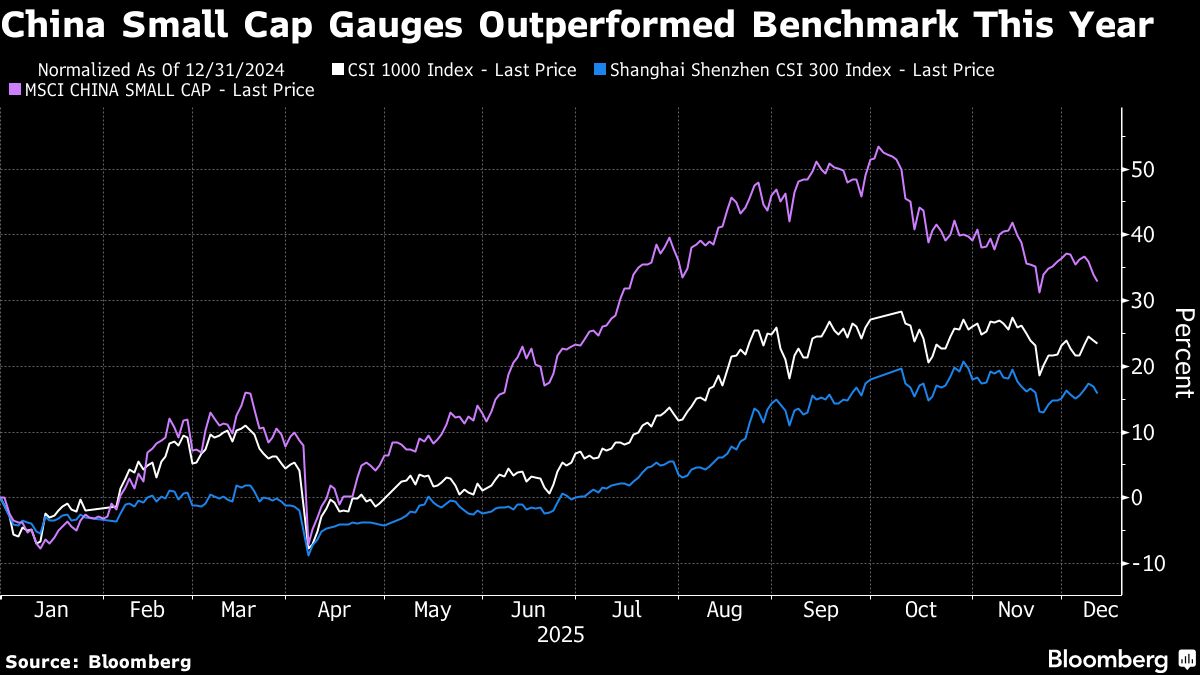
Recent gains in Chinese small-cap stocks have prompted global investors to seek additional A-shares, which are not accessible through Hong Kong transactions, according to UBS Group AG. This trend indicates a growing interest in the Chinese market as investors look for opportunities beyond traditional channels.