China Approaches First Investment Decline in 3 Decades

The New York TimesMonday, December 15, 2025 at 6:46:52 PM
China Approaches First Investment Decline in 3 Decades
  • In November, China experienced a significant decline in investment, falling more than 10 percent, marking a potential first investment decline in three decades. This downturn is largely attributed to the ongoing property crisis, exemplified by the financial distress of major developers like Vanke, which is struggling with substantial debt.
  • The investment slump poses serious implications for Vanke and the broader real estate sector, as the company has lost state support amid escalating financial difficulties. This loss of backing raises concerns about its ability to navigate the current economic landscape and meet its financial obligations.
  • The decline in investment is part of a larger trend affecting various sectors in China, including manufacturing and services, which are also showing signs of contraction. The government is contemplating new stimulus measures to address these challenges, reflecting a shift in economic dynamics as the country grapples with prolonged uncertainties and a potential restructuring of its growth model.
— via World Pulse Now AI Editorial System

Was this article worth reading? Share it

Recommended apps based on your readingExplore all apps
Continue Readings
China sees first annual investment decline in 30 years
NegativeFinancial Markets
China has reported its first annual investment decline in 30 years, with economic data for November indicating deepening domestic issues. Retail sales have grown at their slowest pace in three years, and investment has sharply slowed, reflecting increased caution among consumers and businesses. This downturn comes despite a record trade surplus of $1.08 trillion, highlighting a significant gap between exports and imports.
How Asia’s Gen-Z Is Losing Out to China’s $1 Trillion Surplus
NegativeFinancial Markets
China's new economic model, characterized by a trade surplus exceeding $1 trillion, poses significant risks to the future of Asia's Gen-Z, as it shifts economic advantages away from the region's youth. This surplus is largely fueled by a weakened renminbi, which has made Chinese exports more competitive globally.
Ample oil supply shields China from impact of Venezuela disruption, for now
NeutralFinancial Markets
Ample oil supply is currently shielding China from the disruptions in Venezuelan oil flows, which have been exacerbated by geopolitical tensions and U.S. interventions. Recent events, including the U.S. seizure of a sanctioned tanker, have raised concerns about the stability of Venezuelan oil exports, impacting global oil prices and market dynamics.
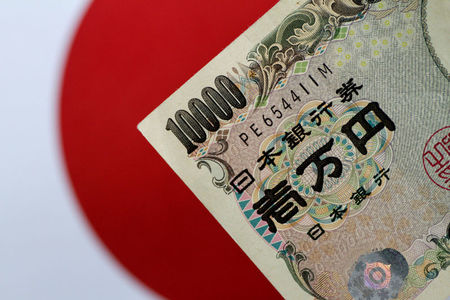
Asia FX steady with weak China data in focus; yen rises on BOJ hike bets
NeutralFinancial Markets
Asia's foreign exchange markets remained steady, with a focus on weak economic data from China, while the Japanese yen gained strength amid expectations of a rate hike by the Bank of Japan (BOJ). Investors are closely monitoring these developments as they could influence future monetary policy decisions.
China’s small bank mergers shrink sector but raise financial risks
NegativeFinancial Markets
China's recent wave of small bank mergers has led to a contraction in the banking sector, raising concerns about the potential increase in financial risks. This consolidation is seen as a response to the ongoing economic challenges facing the country, including declining investment and consumer demand.
The Asian Infrastructure Investment Bank’s first president defends China’s role as ‘responsible stakeholder’ in a less multilateral world
NeutralFinancial Markets
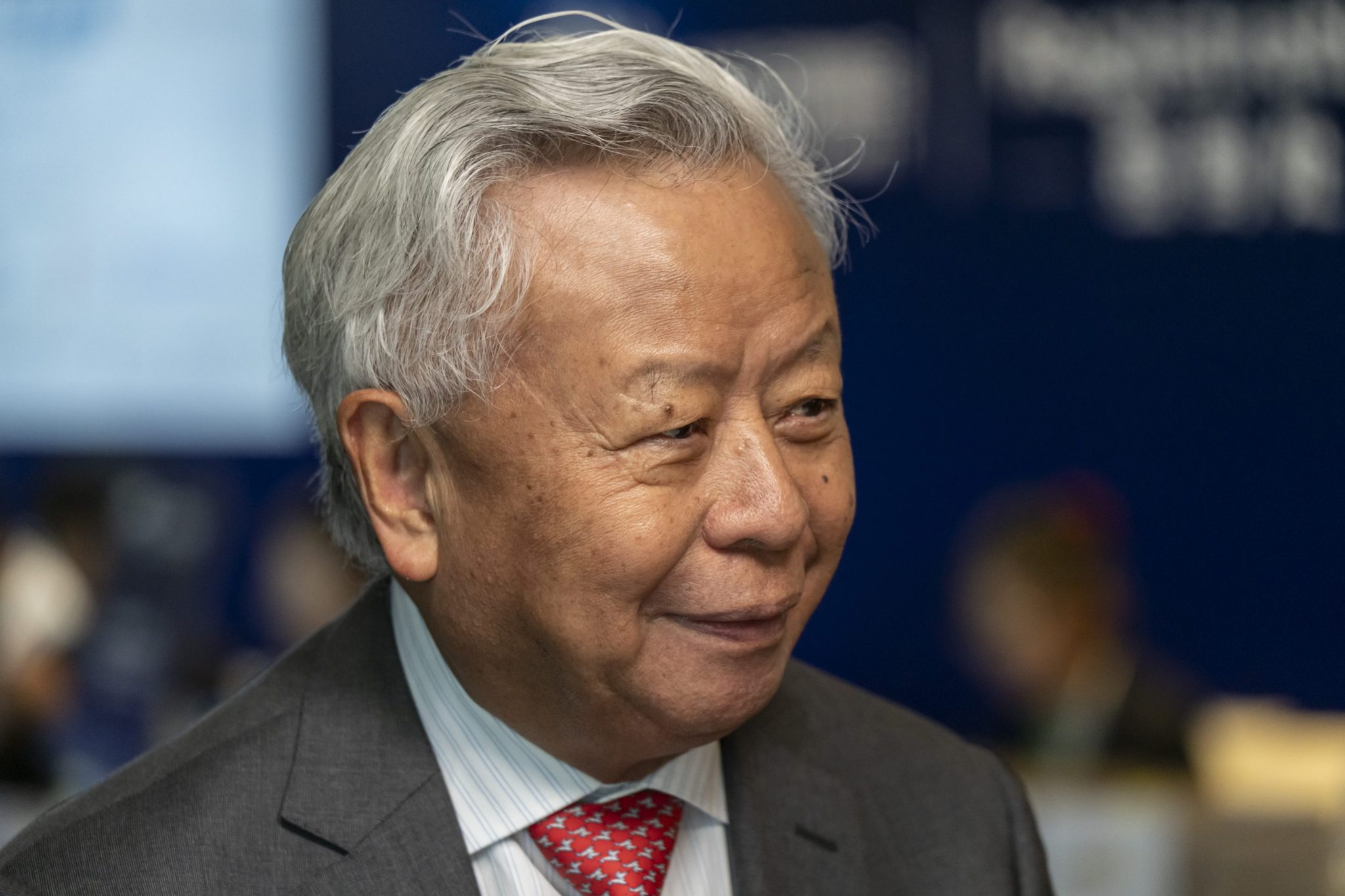
Jin Liqun, the inaugural president of the Asian Infrastructure Investment Bank (AIIB), emphasized China's commitment as a 'responsible stakeholder' in a world that is becoming less multilateral during an interview with Fortune. He highlighted the importance of international cooperation and infrastructure investment in addressing global challenges.
China Buys Rare Argentine Wheat Cargo as Milei Trims Tariffs
PositiveFinancial Markets
China has made a significant move by purchasing its first cargo of Argentine wheat in decades, coinciding with a record harvest by farmers in the Pampas region. This development comes as Argentine President Javier Milei reduces tariffs on exports to stimulate trade and bolster the agricultural sector.
How US–China rivalry echoes the Cold War, and where it differs
NeutralFinancial Markets
The ongoing rivalry between the US and China has drawn parallels to the Cold War, highlighting both competitive and cooperative dynamics in global politics. This relationship is characterized by strategic maneuvers in various sectors, including military, economic, and technological arenas.

Ready to build your own newsroom?

Subscribe to unlock a personalised feed, podcasts, newsletters, and notifications tailored to the topics you actually care about