Oil prices are down but fuel prices aren't - here's why

Sky NewsFriday, December 5, 2025 at 3:08:00 AM
Oil prices are down but fuel prices aren't - here's why
  • Oil prices have decreased, yet fuel prices in the UK remain high, leading to ongoing debates about whether drivers are being overcharged. This situation has persisted since the end of the COVID pandemic, with regulatory scrutiny failing to provide clear answers to these accusations.
  • The disparity between falling oil prices and stable fuel costs raises concerns for UK consumers, who are already grappling with financial pressures. The lack of price reduction at the pump despite lower crude oil costs suggests potential market inefficiencies or exploitation.
  • This issue reflects broader economic challenges, as households continue to face financial strain from high living costs, despite a decrease in inflation rates. The persistent high prices contribute to a significant decline in purchasing power, exacerbating the cost of living crisis for many families.
— via World Pulse Now AI Editorial System

Was this article worth reading? Share it

Recommended apps based on your readingExplore all apps
Continue Readings
UK-EU youth mobility scheme could let tens of thousands live and work abroad
PositiveFinancial Markets
The UK government is working towards finalizing a youth mobility scheme with the EU by the end of 2026, which would allow tens of thousands of young British and European citizens to live and work in each other's countries. This initiative is part of a broader effort to reset the UK's relationship with Europe following Brexit.
Poundland reveals more store closures - here's the full list
NegativeFinancial Markets
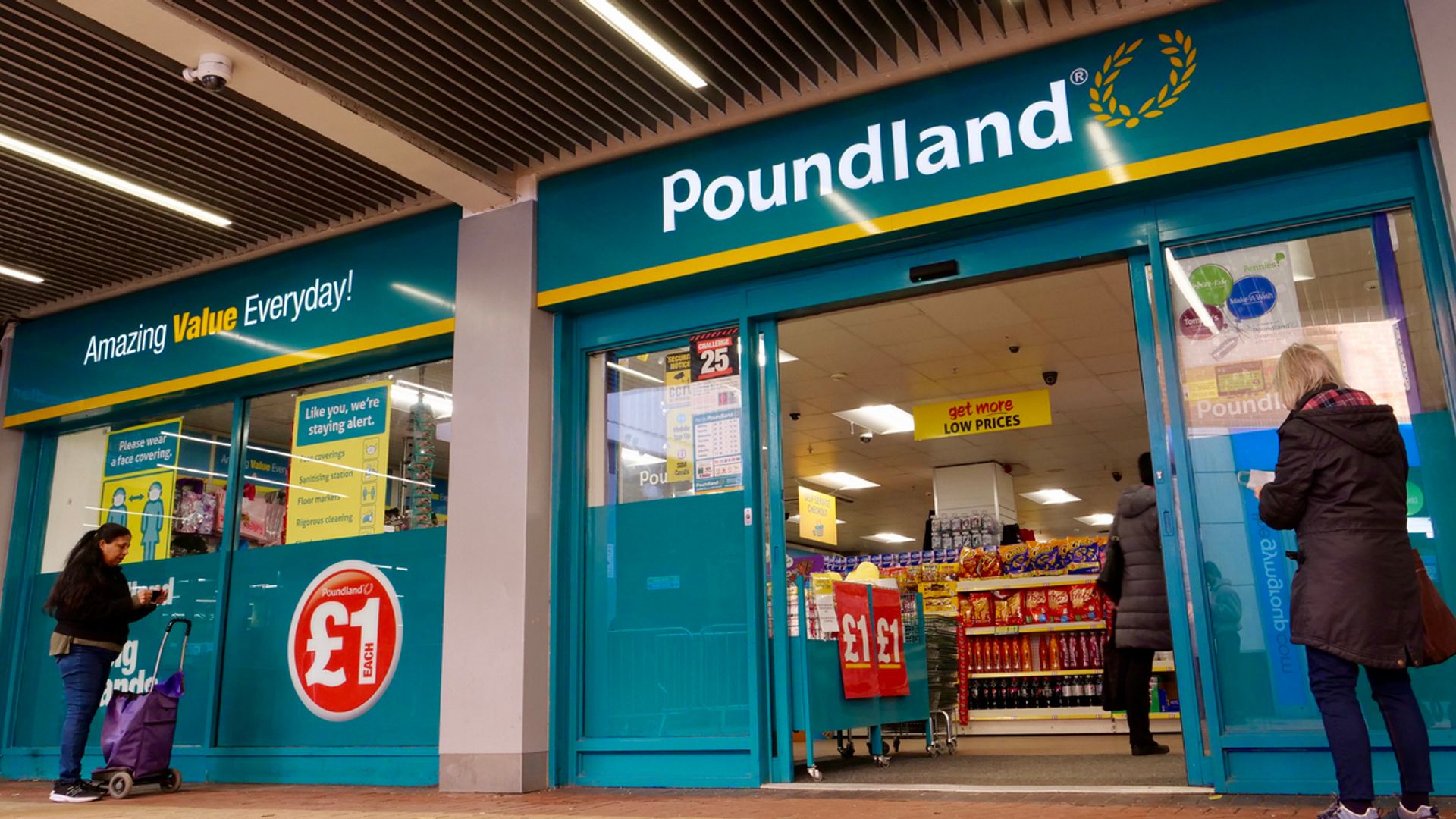
Discount retailer Poundland has announced a new wave of store closures as part of a turnaround strategy under its new ownership, revealing a full list of affected locations. This decision comes amid ongoing challenges faced by the company in the current economic climate.
Halifax: UK house price growth derailed by Autumn Budget build-up
NeutralFinancial Markets
The Halifax House Price Index indicates that UK house prices have been adversely affected by uncertainties surrounding the Autumn Budget, leading to a slowdown in growth. This trend reflects a cautious sentiment among buyers and sellers in the housing market as they navigate economic challenges.
UK first-time buyers in best position to snap up property in a decade, data shows
PositiveFinancial Markets
Halifax reported that first-time buyers in the UK are in the best position to purchase property in a decade, with the average house price reaching a record £299,892 in November. This marks a significant moment for potential homeowners as affordability has improved since 2015.
UK house prices remain stable as annual growth slows
NeutralFinancial Markets
UK house prices have shown stability, with annual growth rates slowing down, indicating a period of consolidation in the housing market. This trend reflects a cautious approach from buyers and sellers amid economic uncertainties.
Sixty delivery drivers to be deported after 171 arrests in gig economy crackdown
NegativeFinancial Markets
The UK government has announced the deportation of 60 delivery drivers who were found to be working illegally following a crackdown that resulted in 171 arrests in the gig economy. This action highlights ongoing concerns regarding immigration compliance within the rapidly growing delivery sector.
Direct trains from UK to Germany 'one step closer'
PositiveFinancial Markets
The UK is moving closer to establishing direct high-speed rail connections to Germany, as announced by the Department for Transport. This development marks a significant step in enhancing transportation links between the two countries.
Budget uncertainty triggers plunge in UK construction activity; Trustpilot shares slump after short-seller claims – business live
NegativeFinancial Markets
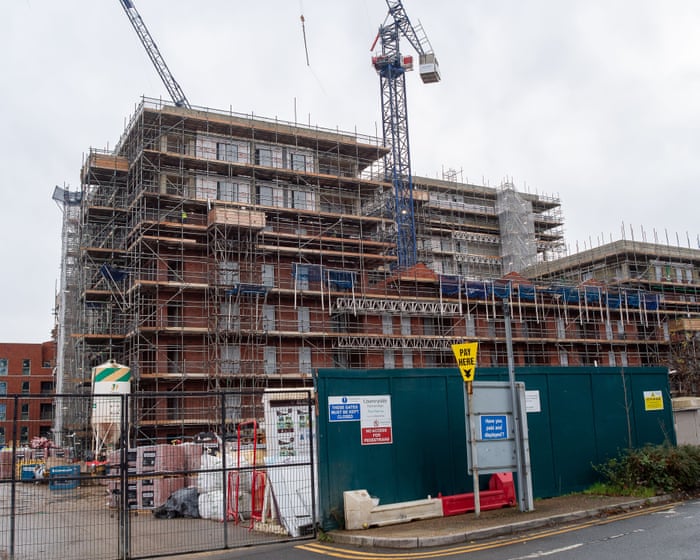
Recent data indicates a significant decline in UK construction activity, with business optimism at its lowest since December 2022, as reported by S&P Global. The Future Activity Index shows that only 31% of construction firms anticipate growth in the next year, while 25% expect a downturn, reflecting concerns over client investment and economic prospects.