US import prices unexpectedly flat in September

Investing.comWednesday, December 3, 2025 at 2:07:11 PM
US import prices unexpectedly flat in September
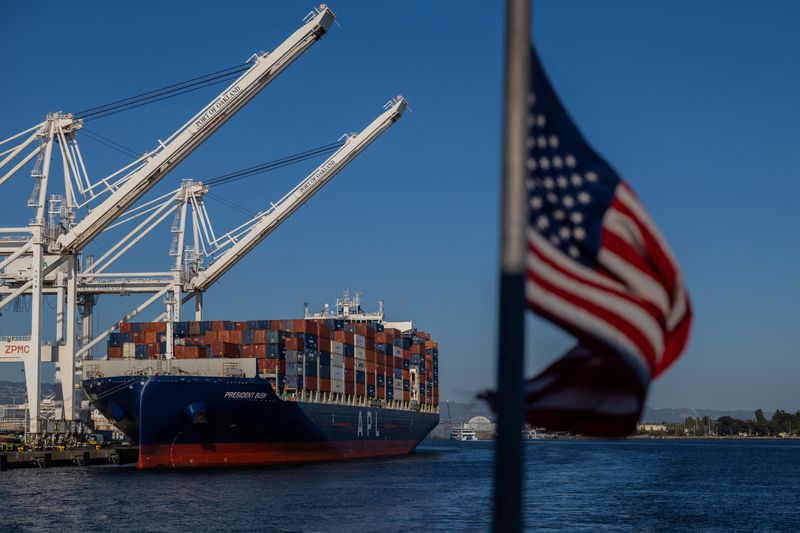
  • US import prices remained unexpectedly flat in September, indicating a pause in inflationary pressures on imported goods. This stability comes amidst fluctuating market conditions and evolving economic indicators.
  • The flat import prices suggest that the cost of goods entering the US market has not increased, which could alleviate some inflation concerns for consumers and businesses. This development is crucial as it may influence monetary policy decisions by the Federal Reserve in the near future.
  • This situation reflects broader economic trends, including a potential shift in the outlook for the US dollar and ongoing volatility in commodity markets, particularly oil and gold. As investors navigate these dynamics, the stability in import prices may provide a temporary reprieve from inflationary pressures.
— via World Pulse Now AI Editorial System


Was this article worth reading? Share it

Recommended apps based on your readingExplore all apps
Continue Readings
Mexican government announces 13% minimum wage increase
PositiveFinancial Markets
The Mexican government has announced a 13% increase in the minimum wage, a significant move aimed at improving the living standards of workers across the country. This decision reflects ongoing efforts to address economic disparities and enhance purchasing power amid rising inflation.
US services little changed in November, but orders slow
NeutralFinancial Markets
US services showed little change in November, although there was a noticeable slowdown in new orders, indicating potential challenges ahead for the sector. This stagnation reflects broader economic uncertainties that may affect growth prospects.
US private payrolls decline in November as small businesses shed jobs
NegativeFinancial Markets
US private payrolls experienced a decline in November, with small businesses shedding jobs, reflecting ongoing challenges in the labor market. This downturn follows a trend of decreasing payrolls, as reported by ADP Research, which indicated an average loss of 13,500 jobs per week in the four weeks leading to November 4.
Donegal Mutual buys $602k in Donegal Group stock
NeutralFinancial Markets
Donegal Mutual has acquired $602,000 worth of stock in Donegal Group, a move that reflects its investment strategy and confidence in the company's future performance. This transaction was reported by Investing.com and highlights Donegal Mutual's active role in the financial markets.
Brazil's 2025 chicken exports to rise despite bird flu trade bans
NeutralFinancial Markets
Brazil is expected to see a rise in chicken exports in 2025, despite ongoing trade bans due to bird flu outbreaks. This forecast highlights the resilience of Brazil's poultry sector amid health-related challenges that have affected global trade dynamics.
Bessent: China is reaching ’correct cadence’ to complete promised US soybean purchases
PositiveFinancial Markets
Scott Bessent stated that China is on track to fulfill its commitments regarding US soybean purchases, indicating a positive momentum in agricultural trade relations between the two nations. This follows a series of significant transactions, including China's largest soybean buy from the US in two years, which has buoyed prices and encouraged sales from struggling farmers.
ISM Non-Manufacturing PMI sees slight rise, surpassing expectations
PositiveFinancial Markets
The ISM Non-Manufacturing PMI has shown a slight rise, surpassing analysts' expectations, indicating a positive shift in the non-manufacturing sector's performance. This uptick suggests resilience in the services industry amidst broader economic uncertainties.
Oil rises as Moscow peace talks fail to reach breakthrough
NegativeFinancial Markets
Oil prices have risen following the failure of peace talks in Moscow aimed at resolving the ongoing conflict between Russia and Ukraine. The lack of a breakthrough in negotiations has heightened market volatility and uncertainty, leading to fluctuations in oil prices. Traders are closely monitoring the situation as geopolitical tensions continue to influence market dynamics.