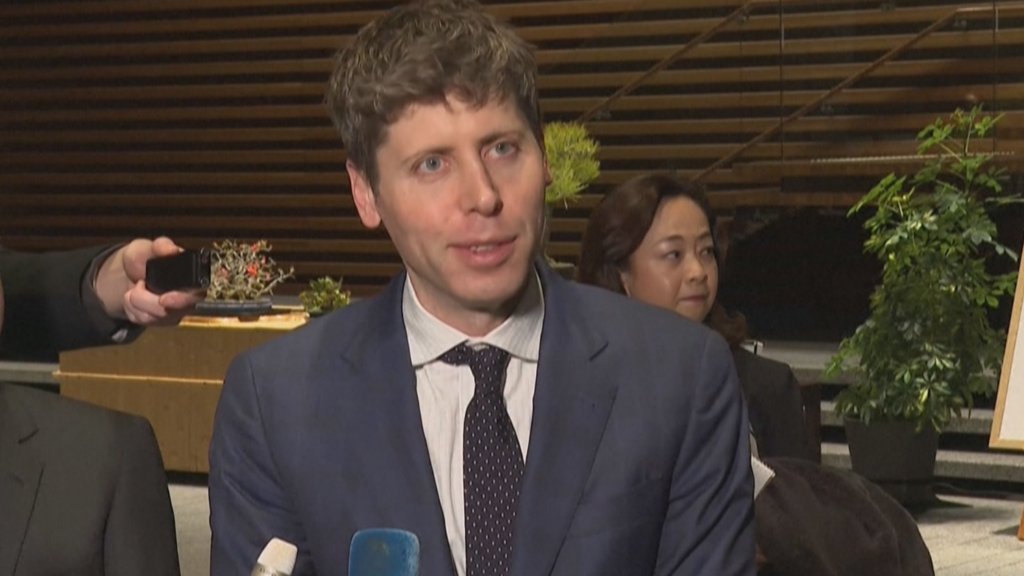
OpenAI's Sam Altman declares 'code red' to improve ChatGPT as rivals threaten its position

France 24Tuesday, December 2, 2025 at 8:57:24 PM
OpenAI's Sam Altman declares 'code red' to improve ChatGPT as rivals threaten its position
  • OpenAI CEO Sam Altman has declared a 'code red' to enhance ChatGPT, prioritizing its development over other projects. This urgent internal memo, reported by The Information, comes amid increasing competition from Google's Gemini chatbot, which poses a significant threat to ChatGPT's market position.
  • The declaration of a 'code red' underscores the critical need for OpenAI to innovate rapidly in response to competitive pressures. As rivals advance, maintaining ChatGPT's leading status is essential for OpenAI's reputation and market share in the AI landscape.
  • This situation reflects broader trends in the AI industry, where companies are racing to develop advanced technologies amid regulatory changes in Europe and the U.S. The evolving landscape raises questions about the sustainability of AI growth and the potential risks associated with rapid technological advancements.
— via World Pulse Now AI Editorial System


Was this article worth reading? Share it

Recommended apps based on your readingExplore all apps
Continue Readings
Trader Bets Swell on Trump-Backed Fed, Data Stoking US Rate Cuts
PositiveFinancial Markets
Traders are increasingly betting on a potential interest rate cut by the Federal Reserve, driven by expectations that a new chair aligned with Donald Trump's views will be appointed and the release of delayed economic data this month will support lower rates.
Sam Altman issues ‘code red’ at OpenAI as ChatGPT contends with rivals
NegativeFinancial Markets
Sam Altman, CEO of OpenAI, has declared a 'code red' to enhance ChatGPT amid escalating competition from Google's Gemini 3. In an internal memo, he emphasized the critical nature of this period for the chatbot, which is facing significant challenges in maintaining its market position.
UK set for faster growth in 2026, slower inflation, OECD forecasts
NeutralFinancial Markets
The OECD has projected that the UK economy will experience faster growth in 2026, alongside a decrease in inflation rates. This forecast reflects a positive adjustment in the economic outlook, influenced by recent budget measures aimed at stimulating growth.
Tax rises and tighter spending to hold back UK growth, OECD says
NegativeFinancial Markets
The OECD has projected a slowdown in the UK economy for the upcoming year, attributing this to anticipated tax increases and tighter government spending measures. This forecast aligns with concerns over the sustainability of the UK’s economic recovery amidst rising fiscal pressures.
OpenAI’s Sam Altman declares ‘code red’ after rivals make advances
NegativeFinancial Markets
OpenAI's CEO Sam Altman has declared a 'code red' in response to increasing competition from rivals such as Google and Anthropic, which are narrowing the gap in the artificial intelligence market. This urgent call to action emphasizes the need for significant improvements to ChatGPT to maintain its competitive edge.
Tariffs, AI boom could test global growth’s resilience, OECD says
NeutralFinancial Markets
The OECD has indicated that rising tariffs and the rapid growth of artificial intelligence (AI) could challenge the resilience of global economic growth. This assessment highlights the potential risks posed by trade tensions and technological advancements that may disrupt established economic patterns.
OECD raises UK growth forecast for 2026 on budget impact
PositiveFinancial Markets
The OECD has raised its growth forecast for the UK in 2026, attributing this positive outlook to the anticipated impacts of the recent budget measures. This adjustment comes amid ongoing discussions about the UK’s economic stability and fiscal policies.
Rate cuts will end in leading economies next year, says OECD
NegativeFinancial Markets
The OECD has indicated that major central banks in leading economies are unlikely to implement further rate cuts in the coming year, signaling a shift in monetary policy as economic conditions evolve. This forecast reflects the organization's assessment of the current economic landscape and the limitations faced by central banks in stimulating growth through lower interest rates.