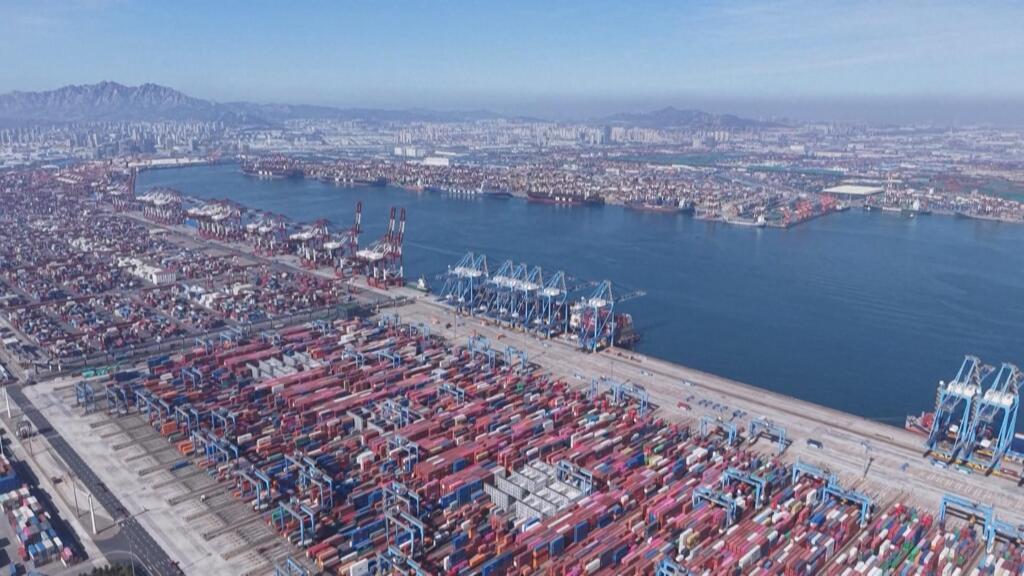
The historic milestone comes as China adds high-end manufacturing strength to its established dominance in lower-end goods, fueling trade tensions

The Wall Street JournalMonday, December 8, 2025 at 10:14:00 AM
The historic milestone comes as China adds high-end manufacturing strength to its established dominance in lower-end goods, fueling trade tensions
  • China has reached a historic milestone by enhancing its high-end manufacturing capabilities while maintaining its dominance in lower-end goods, a development that is likely to intensify trade tensions globally.
  • This advancement is significant as it positions China to compete more effectively in higher-value markets, potentially altering the dynamics of international trade and impacting economies reliant on lower-end manufacturing.
  • The broader implications of this shift include concerns over China's currency depreciation, which is boosting exports but drawing criticism, and the ongoing challenges faced by its services sector, indicating a complex economic landscape.
— via World Pulse Now AI Editorial System
Was this article worth reading? Share it

Recommended apps based on your readingExplore all apps
Continue Readings
German Industrial Output Accelerates Again
PositiveFinancial Markets
German industrial output has accelerated again, indicating further signs of stabilization in the manufacturing sector as it awaits significant government investment. This development reflects a positive trend in industrial activity, suggesting a recovery in demand and production.
Tech, Media & Telecom Roundup: Market Talk
NeutralFinancial Markets
The latest Market Talks provide insights into SK Hynix and China's advancements in humanoid and quadruped robotics, reflecting ongoing developments in the technology, media, and telecom sectors. These discussions highlight the dynamic nature of the market and the competitive landscape in which these companies operate.
China's trade surplus hits record $1.08 trillion after just 11 months
NegativeFinancial Markets
China's trade surplus reached a record $1.08 trillion from January to November, indicating a significant gap between exports and imports that has raised concerns among Western trading partners about its sustainability. This surplus reflects China's growing dominance in global trade, particularly in manufactured goods.
Chinese Auto Sales Extend Declines, But Exports Remain Strong
NegativeFinancial Markets
China's auto sales have declined for the second consecutive month in November, reflecting a continued weakening of demand in the automotive sector. This downturn follows a brief surge in sales during September, indicating a shift in consumer behavior, particularly among younger buyers who are increasingly hesitant to purchase vehicles.
The Accounting Uproar Over How Fast an AI Chip Depreciates
NeutralFinancial Markets
The rapid depreciation of AI chips has sparked significant debate among companies and investors, as precise valuation methods remain elusive. This uncertainty complicates financial reporting and investment strategies for firms heavily reliant on AI technology.
China’s Weak Currency Is Powering Its Exports and Drawing Criticism
NegativeFinancial Markets
China's currency weakness is enhancing its export competitiveness, drawing criticism from global markets and raising concerns about economic stability. The depreciation of the yuan is seen as a strategic move to boost exports amid ongoing economic challenges.
China’s Trade Surplus Climbs Past $1 Trillion for First Time
PositiveFinancial Markets
China's trade surplus has surpassed $1 trillion for the first time, reflecting a significant increase in exports compared to imports. This milestone indicates a robust performance in international trade, particularly as the country continues to navigate complex global economic dynamics.
Japan GDP Data Confirms Contraction, But Rate-Hike View Remains Intact
NegativeFinancial Markets
Japan's economy has confirmed a contraction of 1.8% in the third quarter of 2025, marking the first decline in six quarters, primarily driven by weak capital expenditure. This downturn raises concerns about the overall economic stability of the country, as the contraction is expected to have implications for future monetary policy decisions by the Bank of Japan (BOJ).