China Used to Be a Cash Cow for Western Companies. Now It’s a Test Lab.

The Wall Street JournalSunday, November 30, 2025 at 4:00:00 AM
China Used to Be a Cash Cow for Western Companies. Now It’s a Test Lab.
  • China has transitioned from being a lucrative market for Western companies to a testing ground for innovation, driven by intense competition that has prompted brands to adapt to local tastes and lower prices.
  • This shift is significant as it allows Western companies to leverage China's vast consumer base and evolving market dynamics, positioning them to innovate and potentially enhance their competitiveness on a global scale.
  • The broader context reveals a complex landscape where China's investment climate is facing challenges, yet consumer spending on services is rising, indicating a shift in economic patterns that could influence foreign investment strategies.
— via World Pulse Now AI Editorial System
Was this article worth reading? Share it

Recommended apps based on your readingExplore all apps
Continue Readings
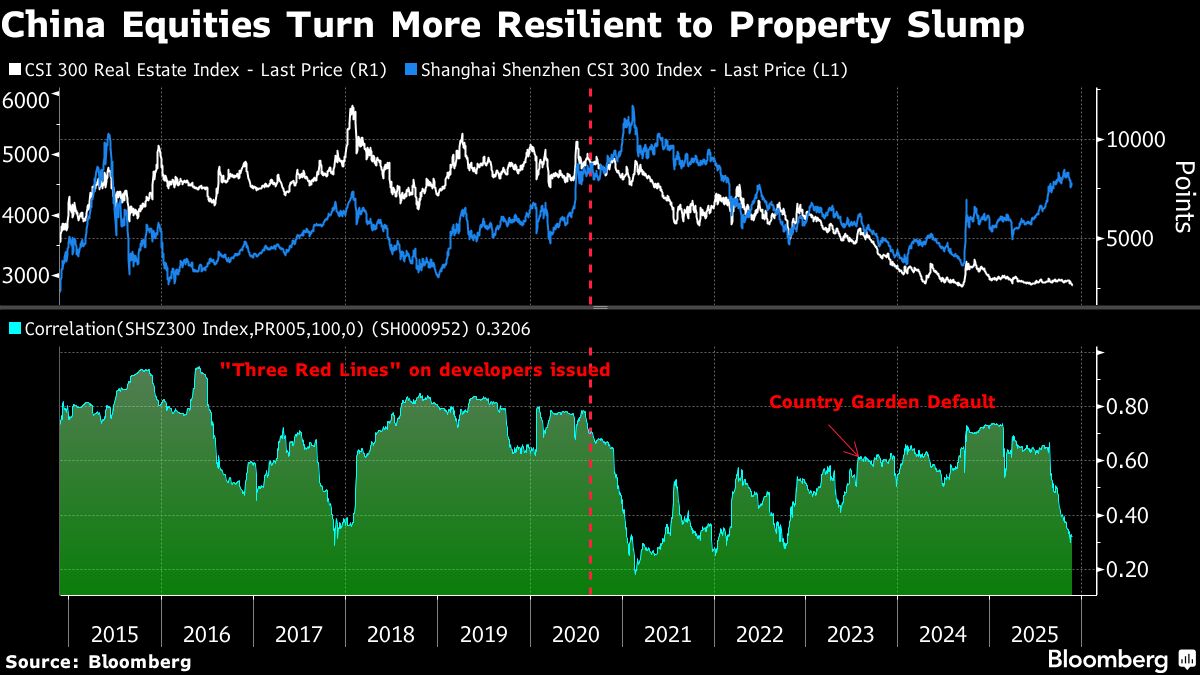
Chinese Stocks Withstand Vanke Woes as Tech Becomes Key Driver
PositiveFinancial Markets
Chinese stocks have demonstrated resilience despite the financial troubles faced by Vanke, once the largest property developer in the country, indicating a shift in market dynamics where technology has emerged as the primary driver of stock performance.
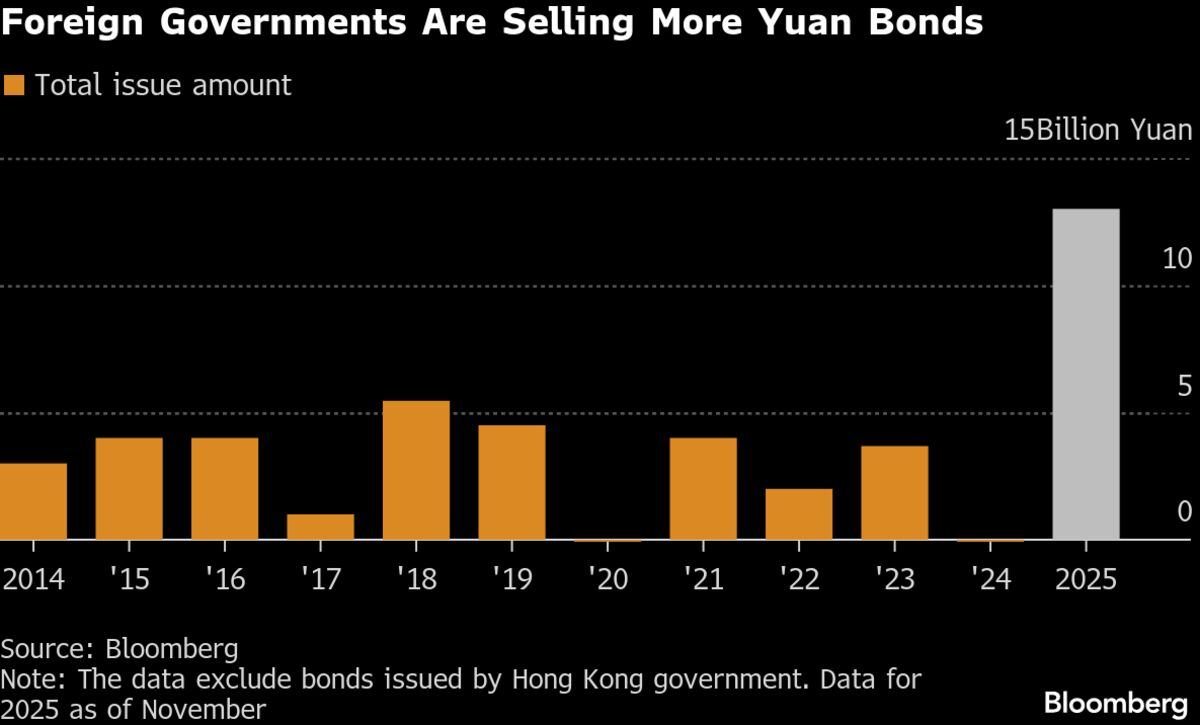
Russia Gears Up for Debut Yuan Bond in Boost to China’s Ambition
PositiveFinancial Markets
Russia is preparing for its inaugural sale of yuan-denominated sovereign bonds, marking a significant step in bolstering China's ambitions to elevate the global status of its currency. This move is expected to enhance financial ties between Russia and China, reflecting a growing reliance on the yuan in international trade.
China Earnings Miss Casts Doubt on Xi’s Bid to End Deflation
NegativeFinancial Markets
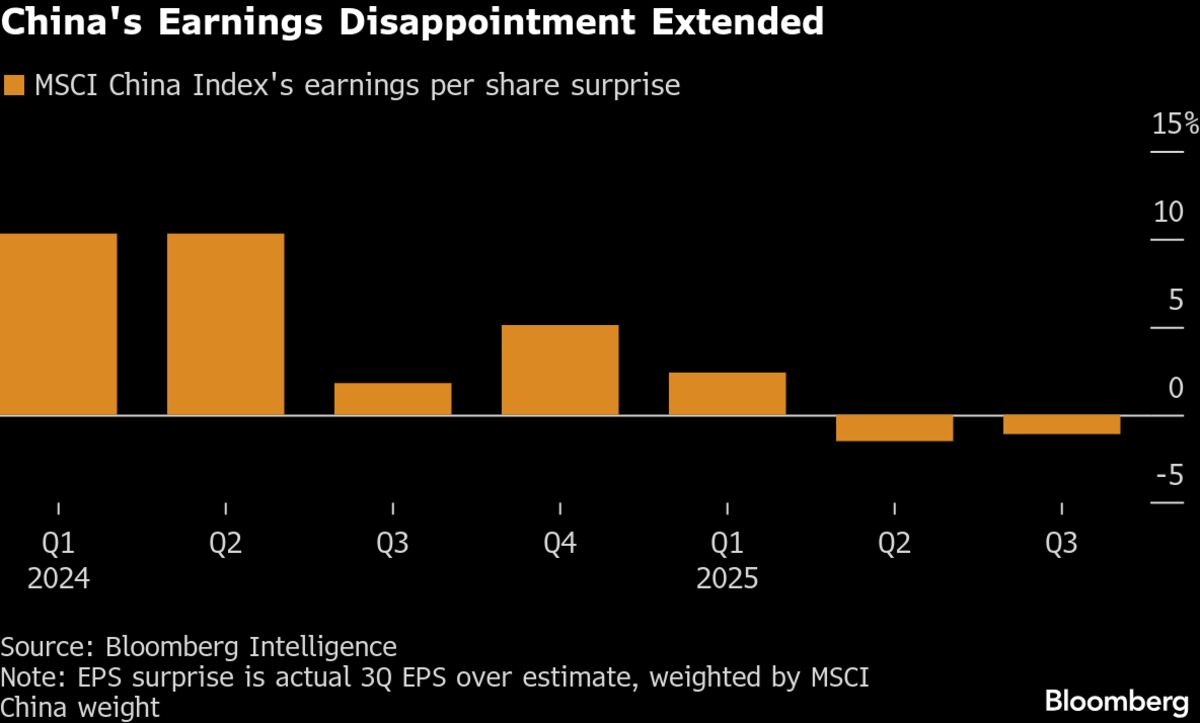
China's third-quarter earnings have fallen short of expectations, raising concerns about President Xi Jinping's efforts to combat deflation and stabilize the economy. Despite initiatives aimed at curbing price wars, the results have not provided the necessary boost to investor confidence, leading to a continued decline in Chinese stock prices for a second consecutive month.
‘Zootopia 2’ Goes Wild at the Worldwide Box Office
PositiveFinancial Markets
‘Zootopia 2’ has made a significant impact at the box office, earning $156 million in North America during its first five days and achieving a global opening total of $556 million, bolstered by strong performance in China.
’Slow’ EU to unveil plan for cutting raw materials’ reliance on China
NeutralFinancial Markets
The European Union (EU) is preparing to announce a plan aimed at reducing its dependency on raw materials sourced from China, reflecting increasing concerns over reliance on Chinese imports. This initiative is expected to address the bloc's vulnerabilities in supply chains amid rising geopolitical tensions.
3 years of ChatGPT: China surges, Europe retreats, and we all drown in AI slop
NegativeFinancial Markets
The launch of ChatGPT three years ago marked a significant moment in the AI landscape, initially positioning the United States as a frontrunner. However, recent developments indicate a dramatic shift, with China advancing in open-source AI models while Europe is retracting its regulatory ambitions, leading to concerns about the quality of AI-generated content.
America Loves a $13 Lunch Bowl. Don’t Bet Against It.
PositiveFinancial Markets
Consumers continue to show a preference for affordable dining options, as evidenced by the popularity of $13 lunch bowls from restaurants like Cava and Chipotle, despite broader economic challenges. This trend highlights a demand for fresh and fast offerings in the fast-casual dining sector.
China's factory activity improves but remains in contraction
NeutralFinancial Markets
China's factory activity showed slight improvement in November, yet it remains in contraction, marking the eighth consecutive month of decline as indicated by the Purchasing Managers' Index (PMI). This ongoing contraction highlights persistent challenges within the manufacturing sector amid broader economic uncertainties.