Underwater robot survives voyage to ‘never-accessed region of the planet’

Popular ScienceMonday, December 8, 2025 at 5:42:39 PM
PositiveScience
Underwater robot survives voyage to ‘never-accessed region of the planet’
  • An Argo float has successfully completed an eight-month mission beneath the Antarctic ice, providing unprecedented data from a region that has never been accessed before. This achievement marks a significant milestone in underwater exploration and data collection in extreme environments.
  • The successful voyage of the Argo float is crucial for understanding the Antarctic ecosystem and its response to climate change. The data gathered could enhance scientific knowledge and inform conservation efforts in one of the planet's most remote areas.
  • This development highlights the growing importance of advanced technology in exploring uncharted territories, paralleling other scientific breakthroughs such as the survival of moss in space and the discovery of new species through deep-sea mining tests. These findings underscore the resilience of life and the need for careful consideration of ecological impacts in various environments.
— via World Pulse Now AI Editorial System


Was this article worth reading? Share it

Continue Readings
Female Galápagos birds flaunt their sexual partners. The males don’t seem to mind.
NeutralScience
Female Galápagos birds, particularly boobies, exhibit a notable freedom in their sexual behavior, openly flaunting their partners without apparent concern from the males. This behavior highlights the unique mating dynamics within this species.
Pompeii’s ruins challenge Rome’s famous concrete recipe
NeutralScience
Recent excavations in Pompeii have revealed insights that challenge the long-held beliefs about the concrete recipe used by ancient Romans, suggesting that the empire's most famous architect may have been mistaken.
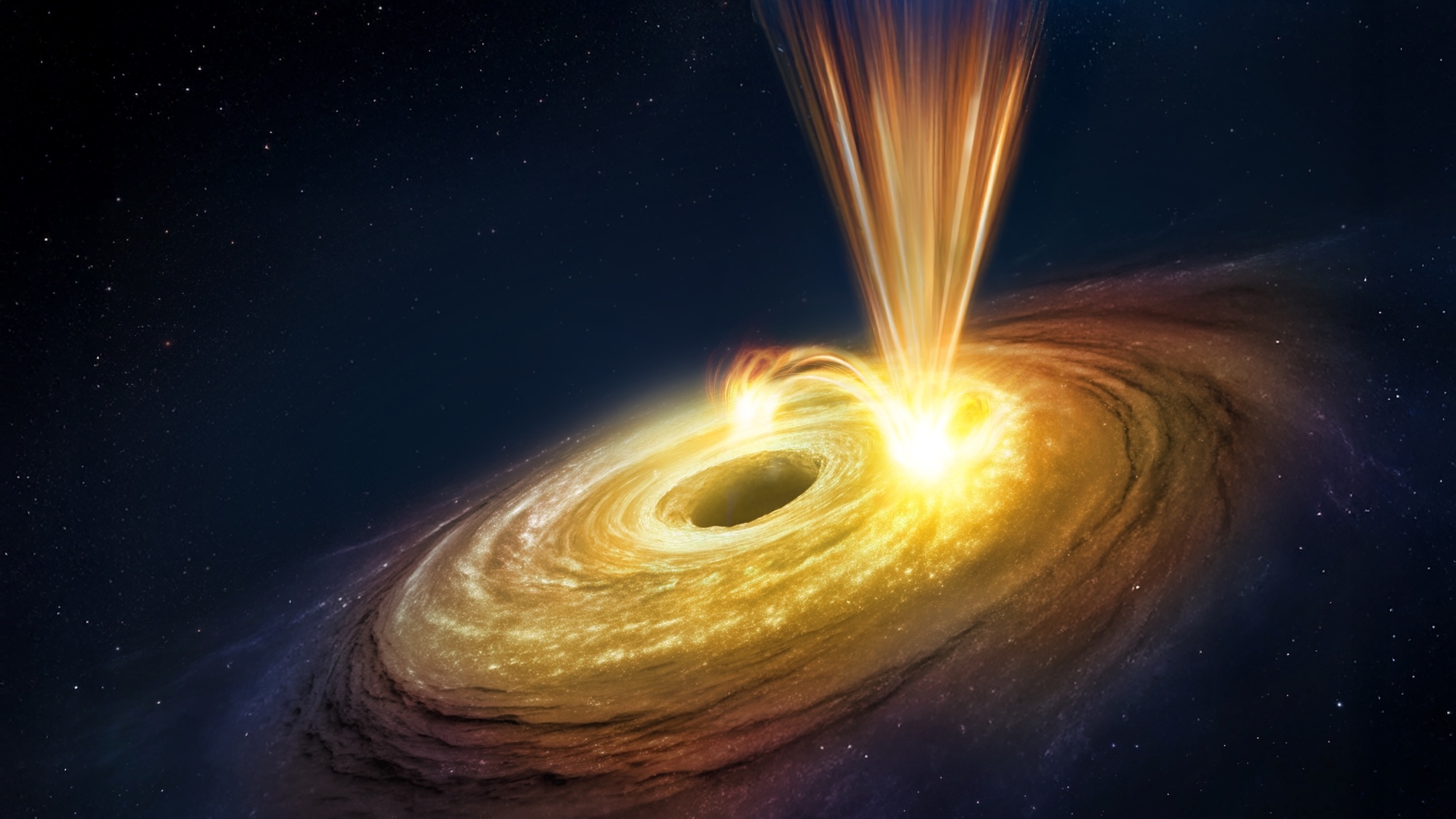
Supermassive black hole belches 30,000-miles-per-second winds
NeutralScience
Two X-ray space telescopes have observed a supermassive black hole emitting winds at speeds of 30,000 miles per second, a phenomenon captured 130 million light-years away. This unprecedented observation provides new insights into the behavior of such cosmic entities.
Air New Zealand tests a new generation of electric planes
PositiveScience
Air New Zealand has initiated tests on a new generation of electric planes powered by batteries and hydrogen, marking a significant step in the aviation industry towards sustainable travel.
40,000 Roman-era coins discovered in French village
NeutralScience
A significant archaeological discovery has been made in a French village, where approximately 40,000 Roman-era coins were unearthed, shedding light on the region's historical importance to the Celtic Mediomatrici tribe prior to its conquest by Julius Caesar.
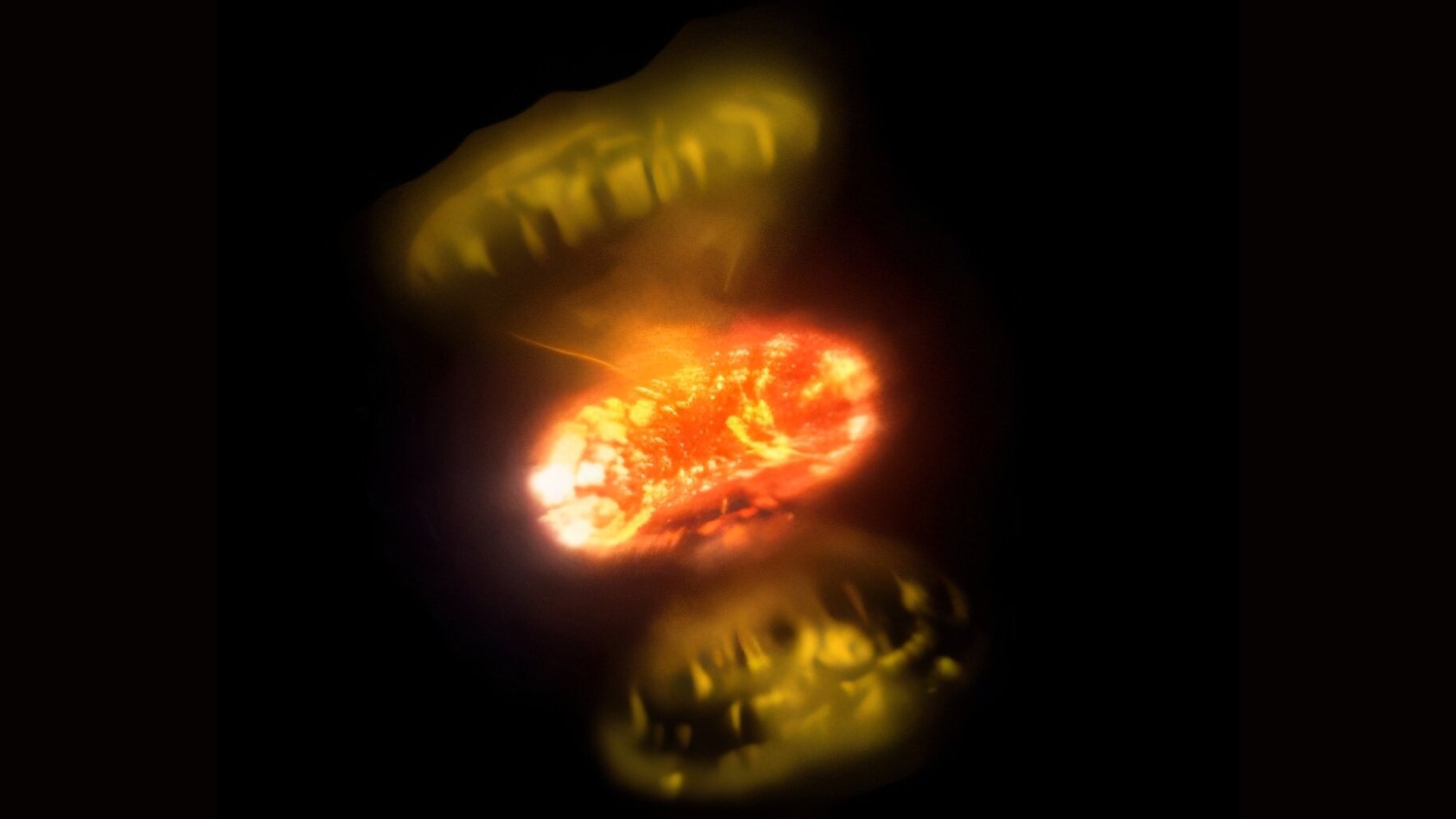
Pair of exploding stars baffle astronomers
NeutralScience
Astronomers have recently captured new images of two novae, which are cosmic explosions resulting from the thermonuclear explosion of a star, described as a transition from a grainy black-and-white photo to high-definition video. This advancement in imaging technology has provided unprecedented clarity in observing these stellar phenomena.
Swiss startup turns urine into plant fertilizer
PositiveScience
A Swiss startup has developed an innovative wastewater treatment process that transforms urine into plant fertilizer, effectively utilizing nutrients while eliminating unpleasant odors.