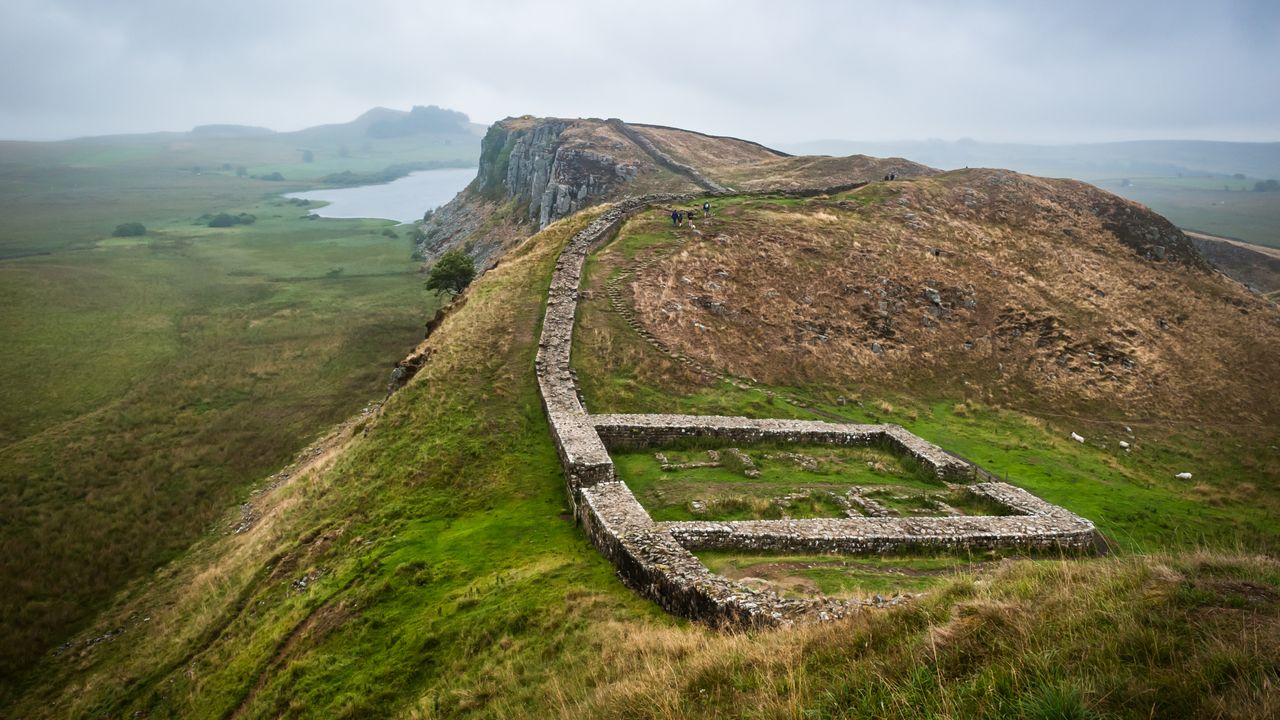
New discoveries at Hadrian's Wall are changing the picture of what life was like on the border of the Roman Empire

Live ScienceWednesday, December 10, 2025 at 11:22:33 AM
NeutralScience
New discoveries at Hadrian's Wall are changing the picture of what life was like on the border of the Roman Empire
  • Recent discoveries at Hadrian's Wall are reshaping the understanding of life on the northern frontier of the Roman Empire, revealing a complex interplay of violence, boredom, and opportunity, as noted by experts in a report by Live Science.
  • These findings are significant as they provide deeper insights into the daily experiences and societal dynamics at the edge of the Roman world, enhancing historical knowledge and potentially influencing future archaeological research in the region.
— via World Pulse Now AI Editorial System
Was this article worth reading? Share it

Continue Readings
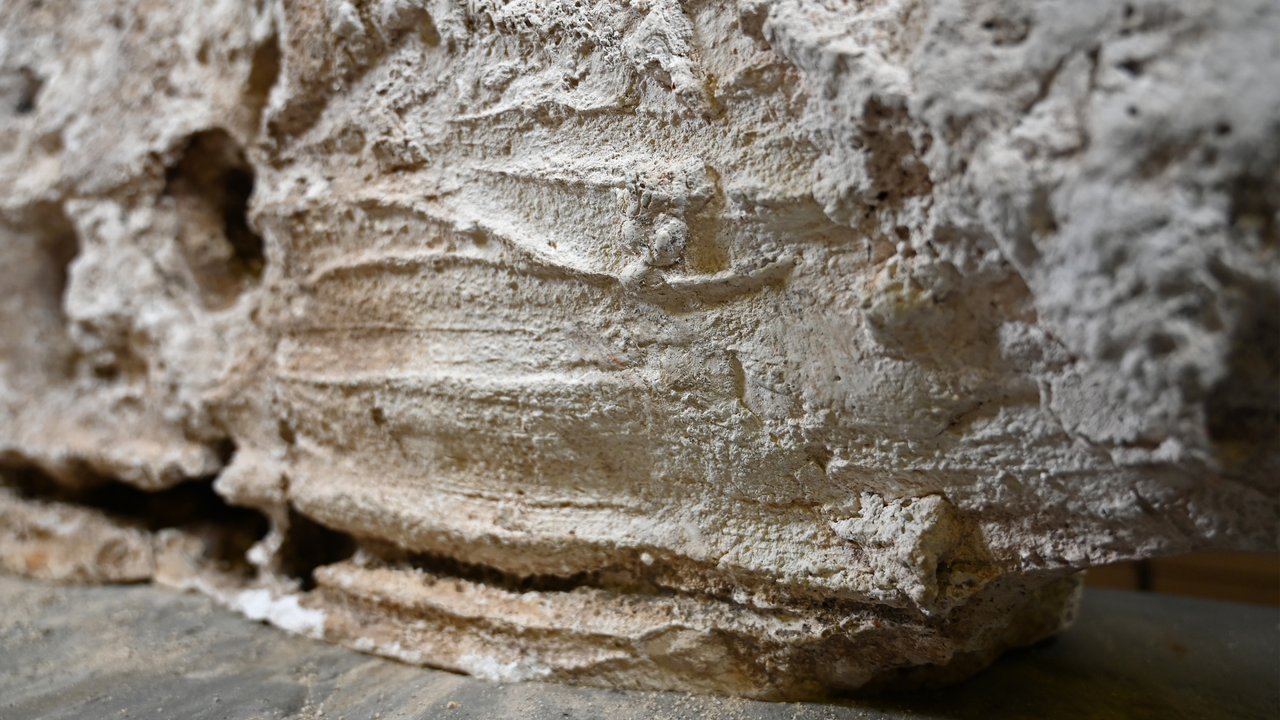
'They had not been seen ever before': Romans made liquid gypsum paste and smeared it over the dead before burial, leaving fingerprints behind, new research finds
NeutralScience
Recent research has uncovered that Romans used a liquid gypsum paste in burial rituals, applying it over the deceased and leaving behind unique fingerprints. This practice offers new insights into Roman funerary customs and the significance of tactile memorialization in their culture.
Insomnia and anxiety come with a weaker immune system — a new study starts to unravel why
NeutralScience
A new study has revealed that individuals suffering from insomnia and anxiety may experience a decline in their immune system's effectiveness, potentially linked to a decrease in a crucial immune cell. This research sheds light on the biological mechanisms connecting mental health disorders with physical health outcomes.
'It is simply too hot to handle': 2024 was Arab region's hottest year on record, first-of-its-kind climate report reveals
NegativeScience
A new climate report reveals that 2024 was the hottest year on record for the Arab region, highlighting unprecedented temperature levels that have raised concerns among scientists and environmentalists.
Earth's crust hides enough 'gold' hydrogen to power the world for tens of thousands of years, emerging research suggests
PositiveScience
Emerging research indicates that Earth's crust contains significant reservoirs of hydrogen gas, which could potentially provide a sustainable energy source for tens of thousands of years. This discovery highlights the natural formation of hydrogen, presenting an opportunity for decarbonization efforts worldwide.
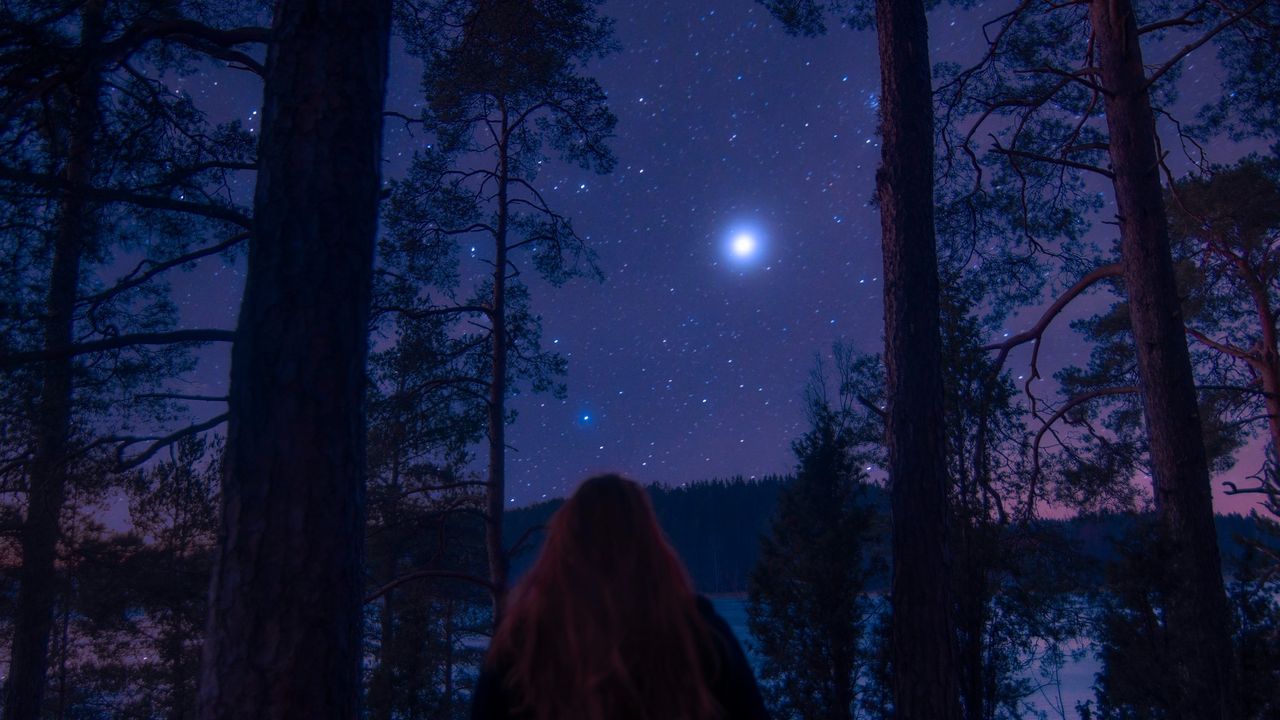
Is the 'Star of Bethlehem' really a planet? A bright visitor this month may hold a clue.
NeutralScience
A bright celestial object is appearing in the eastern sky shortly after dark this month, reminiscent of the biblical 'Star of Bethlehem.' This phenomenon has sparked interest and speculation regarding its identity and significance.