A Scientific Expedition to Antarctica’s Thwaites Glacier Deals With Weather Hiccups

The New York TimesTuesday, January 13, 2026 at 4:55:53 PM
NeutralScience
A Scientific Expedition to Antarctica’s Thwaites Glacier Deals With Weather Hiccups
  • A scientific expedition to Antarctica's Thwaites Glacier is facing delays due to low cloud cover, which has hindered helicopter transport of scientists and equipment to the continent's fastest-melting glacier. The adverse weather conditions have prevented the establishment of a research camp, forcing the team to explore the sea ice instead.
  • The delays in reaching Thwaites Glacier are significant as researchers aim to study its rapid melting, which has implications for global sea-level rise and climate change. The expedition's success is crucial for understanding these environmental changes.
  • This situation highlights the ongoing challenges faced by scientists in extreme environments, where weather can unpredictably impact research timelines. The broader context of glacial retreat in Antarctica raises questions about climate patterns and the urgency of scientific inquiry into the causes and effects of such phenomena.
— via World Pulse Now AI Editorial System

Was this article worth reading? Share it

Recommended apps based on your readingExplore all apps
Continue Readings
Weather Detours a Scientific Expedition to Antarctica’s Thwaites Glacier
NeutralScience
Bad weather has delayed the scientific expedition to Antarctica's Thwaites Glacier, preventing researchers from establishing a camp. Instead, they ventured onto the sea ice where they encountered a local individual.
One of the last woolly rhinos to walk Earth was eaten by a wolf pup — and scientists have now sequenced its genome from the undigested meat
NeutralScience
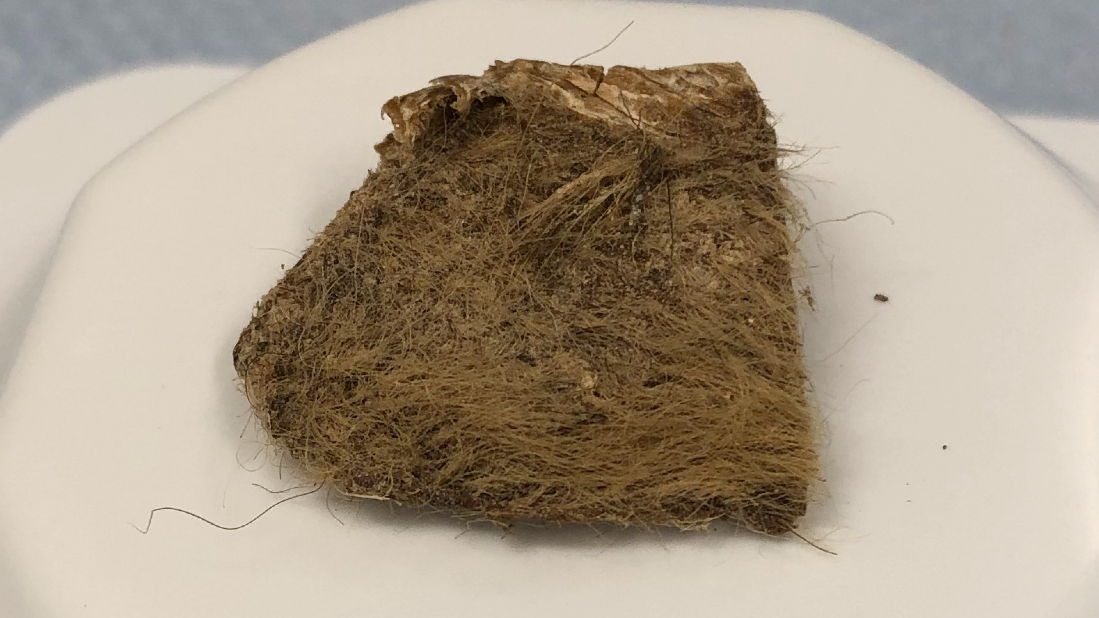
Scientists have sequenced the genome of a woolly rhinoceros from undigested remains found in the stomach of a wolf pup that lived over 14,000 years ago. This discovery provides valuable insights into the extinction of the woolly rhino, a species that roamed the Earth during the Pleistocene epoch.
Does String Theory Solve the Mystery of the Brain?
PositiveScience
Mathematical tools derived from string theory are providing scientists with innovative methods to explore the complex networking of neurons in the brain. This approach aims to deepen the understanding of neural connections and their implications for cognitive functions.
Global temperatures dipped in 2025 but more heat records on way, scientists warn
NegativeScience
Global temperatures experienced a dip in 2025, yet scientists caution that more heat records are anticipated in the future. This follows a trend where the last three years have been the hottest on record, driven by ongoing carbon emissions from human activities.
The Sea Lions of the Galápagos Are Not Ready to Give Up Mother’s Milk
NeutralScience
Researchers have observed that Galápagos sea lions, referred to as 'supersucklers,' continue to return to their mothers for nursing even after they have developed the ability to hunt and fend for themselves. This behavior raises questions about the developmental stages of these marine mammals and their reliance on maternal care.
‘A bombshell’: doubt cast on discovery of microplastics throughout human body
NegativeScience
Recent studies claiming the presence of microplastics in various human organs, including the brain and placenta, have been challenged by scientists who argue that these findings may stem from contamination and false positives, with one chemist labeling the situation as a 'bombshell'.
Trump’s Steep Science Budget Cuts to Be Turned Back by Congress
PositiveScience
The White House has proposed significant cuts to the science budget, prompting a strong response from Congress, which aims to protect and potentially increase funding for basic research. This annual budget request is a critical part of the appropriations process, where Congress holds the ultimate authority over federal spending.
Metal compounds identified as potential new antibiotics, thanks to robots doing 'click chemistry'
PositiveScience
Scientists have utilized robots and click chemistry to develop metal compounds that may serve as new antibiotics, marking a significant advancement in the search for effective treatments against bacterial infections. This innovative approach leverages automation to enhance the efficiency of drug discovery processes.

Ready to build your own newsroom?

Subscribe to unlock a personalised feed, podcasts, newsletters, and notifications tailored to the topics you actually care about