Bears in Italy inbreed more, but are less aggressive

Popular ScienceSaturday, December 20, 2025 at 3:18:00 PM
NeutralScience
Bears in Italy inbreed more, but are less aggressive
  • Apennine brown bears in Italy have been found to inbreed more than their European counterparts, a phenomenon attributed to their isolation since the Roman Empire. This genetic isolation has led to a unique behavioral trait where these bears exhibit less aggression compared to other bear populations.
  • Understanding the genetic and behavioral dynamics of the Apennine brown bears is crucial for conservation efforts, as it highlights the impact of isolation on species behavior and genetic diversity, informing strategies to protect these bears and their habitat.
— via World Pulse Now AI Editorial System

Was this article worth reading? Share it

Recommended apps based on your readingExplore all apps
Continue Readings
Deer markings actually glow
NeutralScience
Recent research has revealed that the scrapes and rubs left by deer shine under ultraviolet (UV) light, which is invisible to the human eye. This discovery highlights a unique aspect of deer behavior and communication that was previously unknown.
Iron Age teeth reveal the hidden lives of ancient Italians
NeutralScience
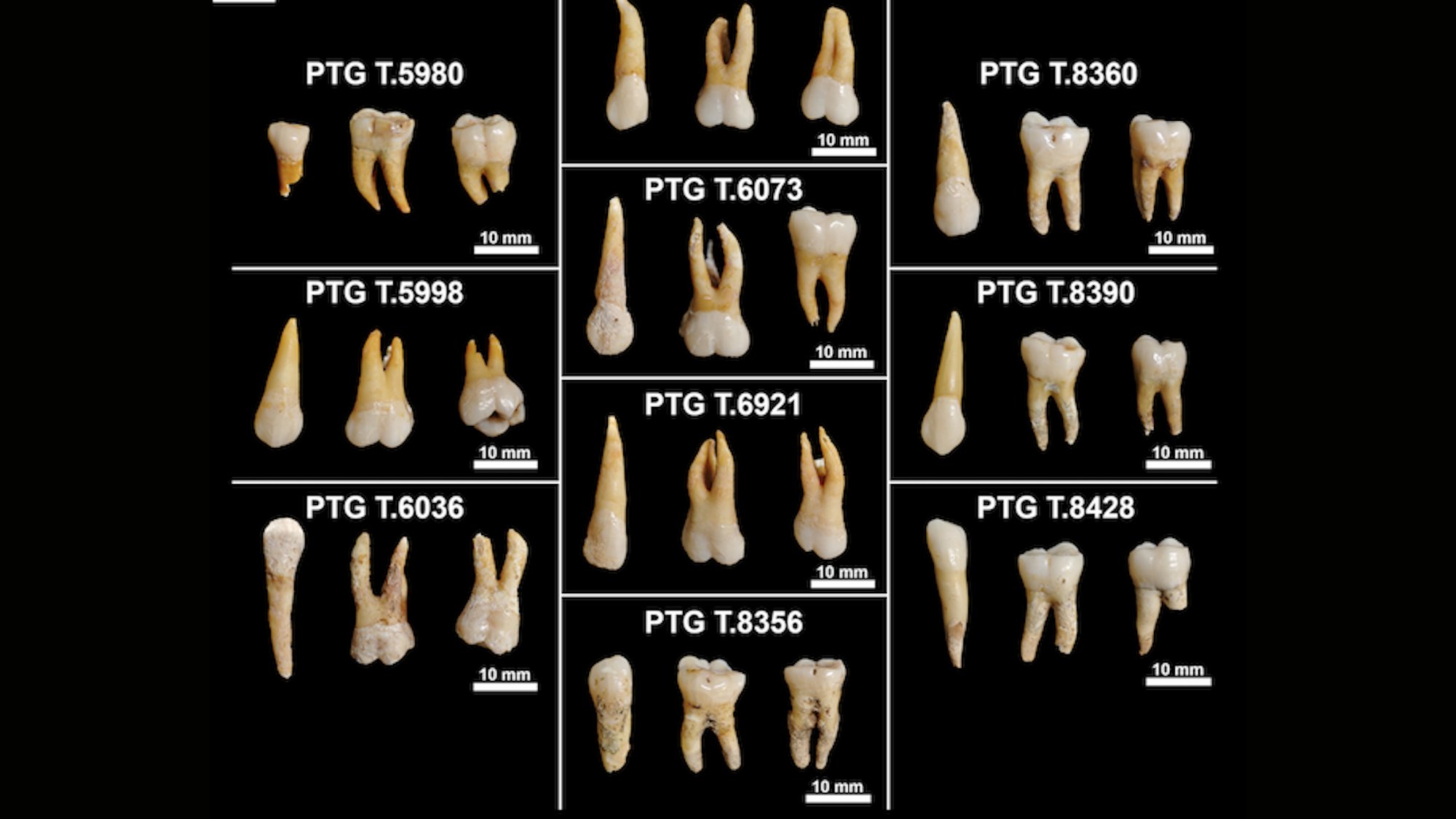
Recent studies of Iron Age teeth from ancient Italians have unveiled significant insights into their childhood nutritional stress, shedding light on their daily lives and health challenges. These findings contribute to a deeper understanding of the dietary practices and living conditions of this historical population.
100 mystery sounds under review for signs of extraterrestrial life
NeutralScience
Over 11 years, citizen scientists have collected billions of data signals for the SETI@home project, leading to the review of 100 mystery sounds for potential signs of extraterrestrial life. This initiative represents a significant effort in the search for intelligent life beyond Earth.
14,000-year-old woolly rhinoceros DNA extracted from wolf’s stomach
NeutralScience
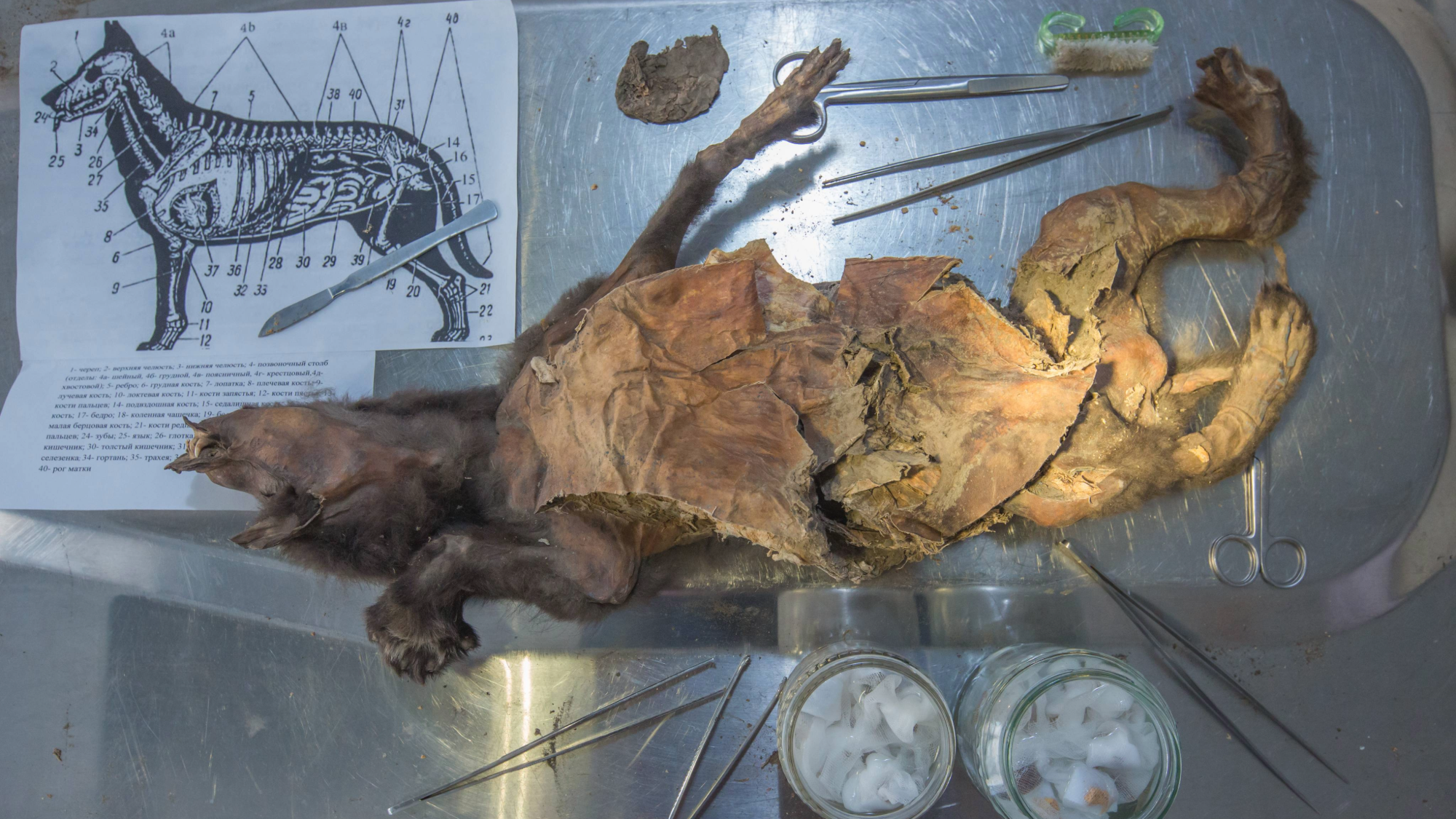
Scientists have successfully extracted DNA from a 14,000-year-old woolly rhinoceros found in the stomach of a mummified wolf pup, shedding light on the extinction of this prehistoric species. The discovery was made in Siberia, where the remains of the wolf pup, believed to have lived around 14,400 years ago, were analyzed. This significant finding provides new insights into the diet and ecological interactions of these ancient animals.
Is it illegal to own an axolotl? It depends.
NeutralScience
A recent pet seizure at Chicago’s O’Hare Airport has highlighted ongoing confusion regarding the legality of owning axolotls. The situation raises questions about regulations surrounding exotic pets and their ownership in various jurisdictions.
Abandoned pigs rescued on Tennessee’s Looney Islands
PositiveScience
Recently, a group of abandoned pigs was rescued on Tennessee’s Looney Islands, thanks to the efforts of a dedicated individual known as a 'pig whisperer,' who utilized patience and care to ensure the animals' safety and well-being.
In medieval France, murderous pigs faced trial and execution
NeutralScience
In medieval France, there were instances where pigs were put on trial and faced execution for acts of violence, reflecting a unique aspect of societal order during that period. These animal trials served as a means to address and restore order when unspeakable events occurred, highlighting the intersection of law, morality, and animal behavior in historical contexts.
600-year-old Viking shipwreck is the largest of its kind
NeutralScience
A 600-year-old Viking shipwreck, identified as the largest of its kind, has been discovered, measuring nearly 92 feet in length and featuring castles on both its bow and stern. This significant archaeological find sheds light on medieval maritime practices and shipbuilding techniques.

Ready to build your own newsroom?

Subscribe to unlock a personalised feed, podcasts, newsletters, and notifications tailored to the topics you actually care about