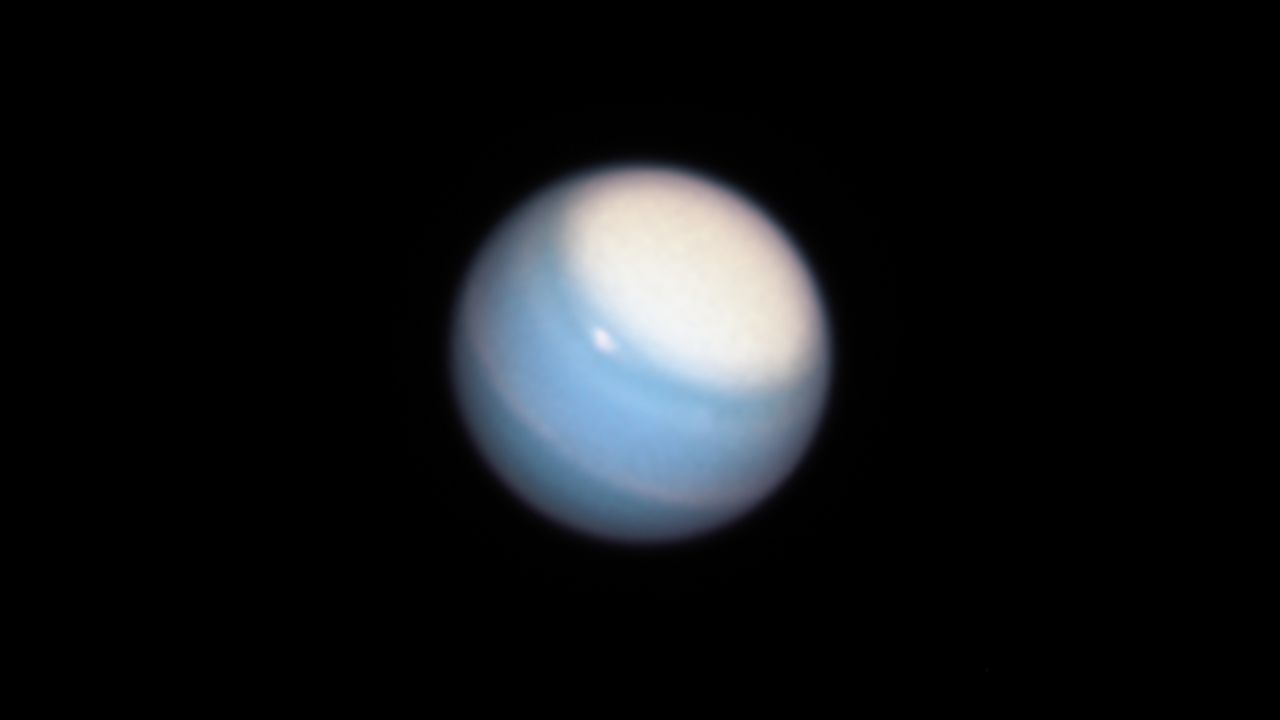
Uranus's small moons are dark, red, and water-poor

Space.comMonday, December 8, 2025 at 4:00:00 PM
NeutralScience
Uranus's small moons are dark, red, and water-poor
  • Recent observations have revealed that the small moons of Uranus are characterized by their dark, red surfaces and a lack of water, with Mab standing out as particularly unusual. This finding adds to the understanding of the composition and characteristics of these celestial bodies.
  • The discovery of the unique properties of Uranus's moons is significant for planetary science, as it provides insights into the formation and evolution of the Uranian system. Understanding these moons can help scientists draw conclusions about the history of water and organic materials in the outer solar system.
  • As Uranus approaches its brightest visibility on November 21, this event presents an opportunity for astronomers and enthusiasts to observe the planet and its moons more clearly. The contrasting features of Uranus's moons against the backdrop of the planet's brightness may spark further interest in ongoing studies of the outer planets and their satellites.
— via World Pulse Now AI Editorial System
Was this article worth reading? Share it

Continue Readings
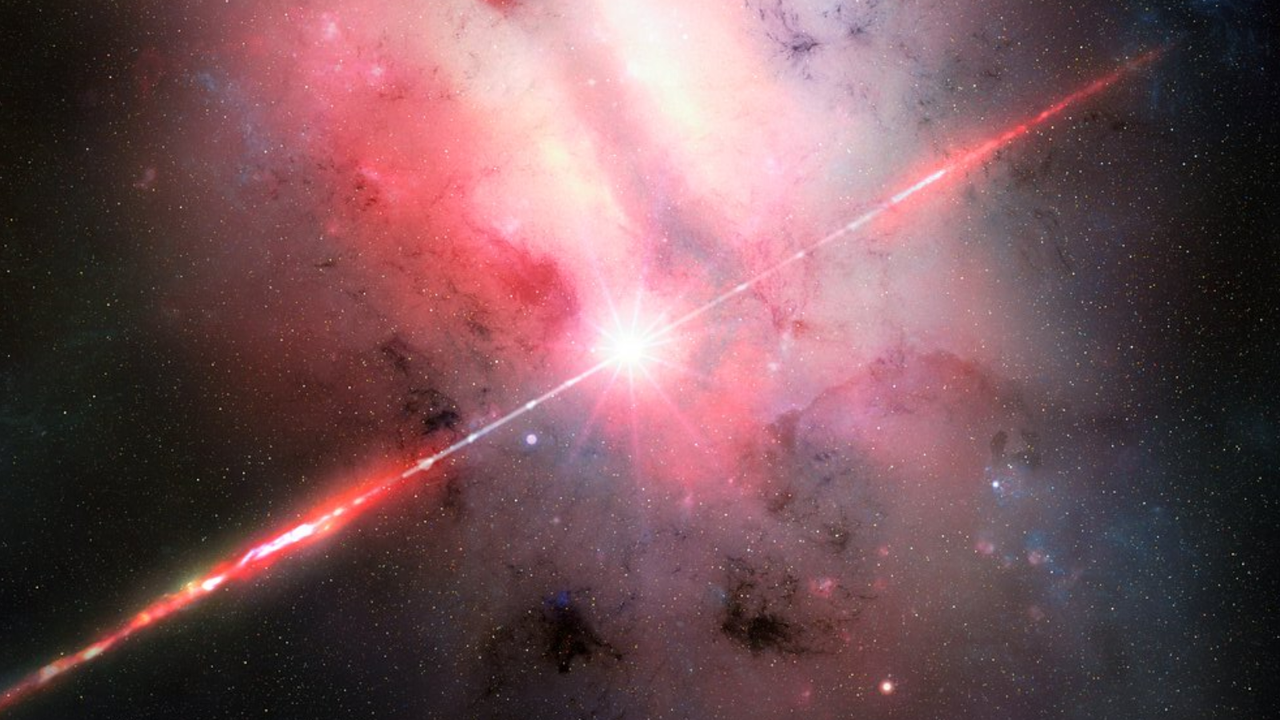
This 7-hour cosmic explosion is the longest gamma-ray burst ever seen. Could it be from an elusive class of black hole?
PositiveScience
A recent cosmic event has been identified as the longest gamma-ray burst ever recorded, lasting seven hours, which has intrigued astronomers and raised questions about its origin, potentially linked to a rare class of black holes. This unprecedented outburst is described as unlike any other observed in the past 50 years.
This supermassive black hole flung out matter at 134 million mph: 'On a scale almost too big to imagine'
NeutralScience
A supermassive black hole has expelled matter at an astonishing speed of 134 million mph, which is approximately 20% the speed of light. This event highlights the extreme dynamics and powerful forces at play in the universe, showcasing the capabilities of such massive celestial objects.
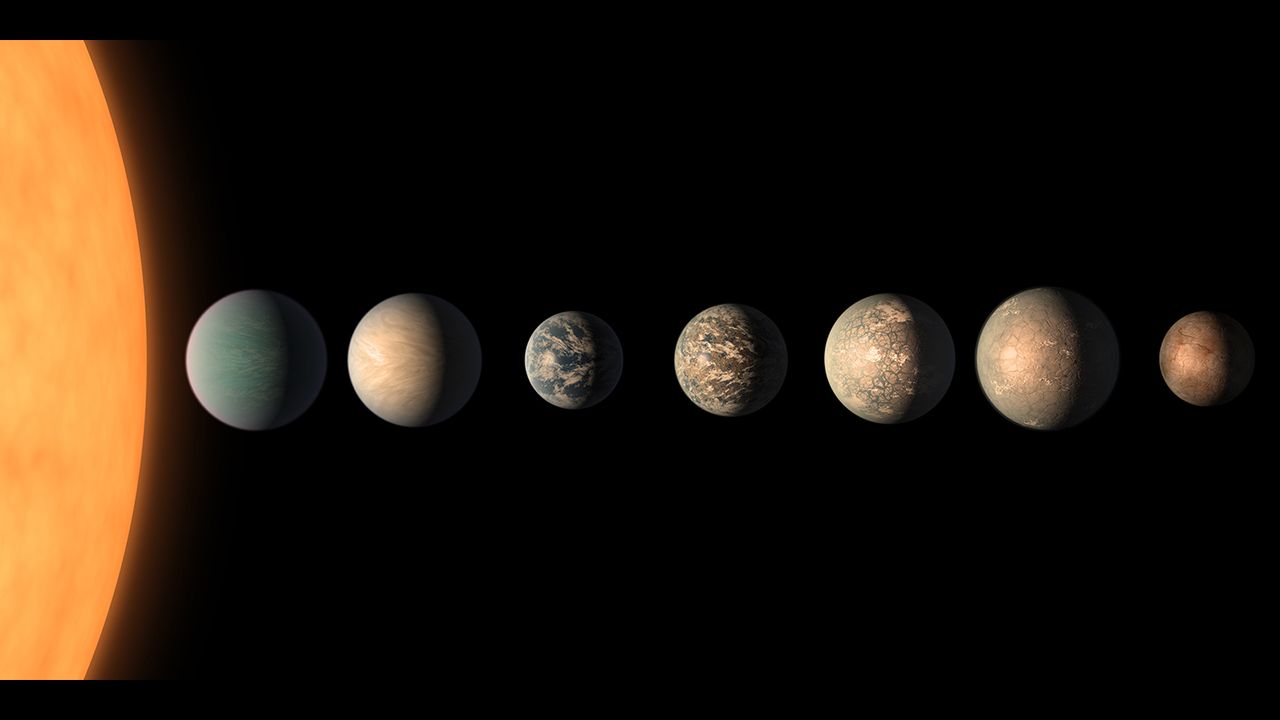
One of the most promising Earth-like worlds may not have an atmosphere after all
NeutralScience
New simulations indicate that the potential methane atmosphere of TRAPPIST-1e may be a misinterpretation caused by its star, leading to renewed skepticism about the planet's habitability. This finding challenges previous assumptions regarding the planet's ability to support life.
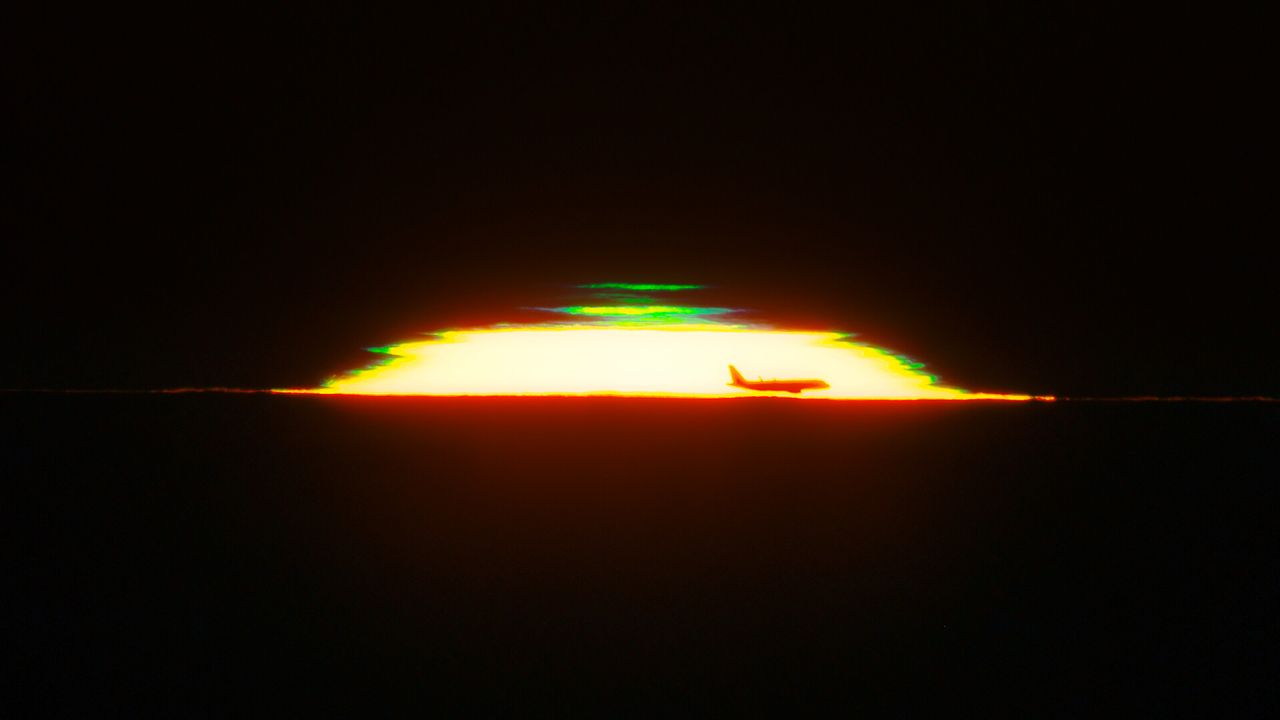
A green flash at sunset | Space photo of the day for Dec. 8, 2025
NeutralScience
A rare phenomenon known as the green flash occurs at sunset, characterized by a brief green rim visible just as the sun dips below the horizon. This optical effect is a result of atmospheric conditions and is observed at every sunset, although it is not always seen due to various factors such as weather and location.
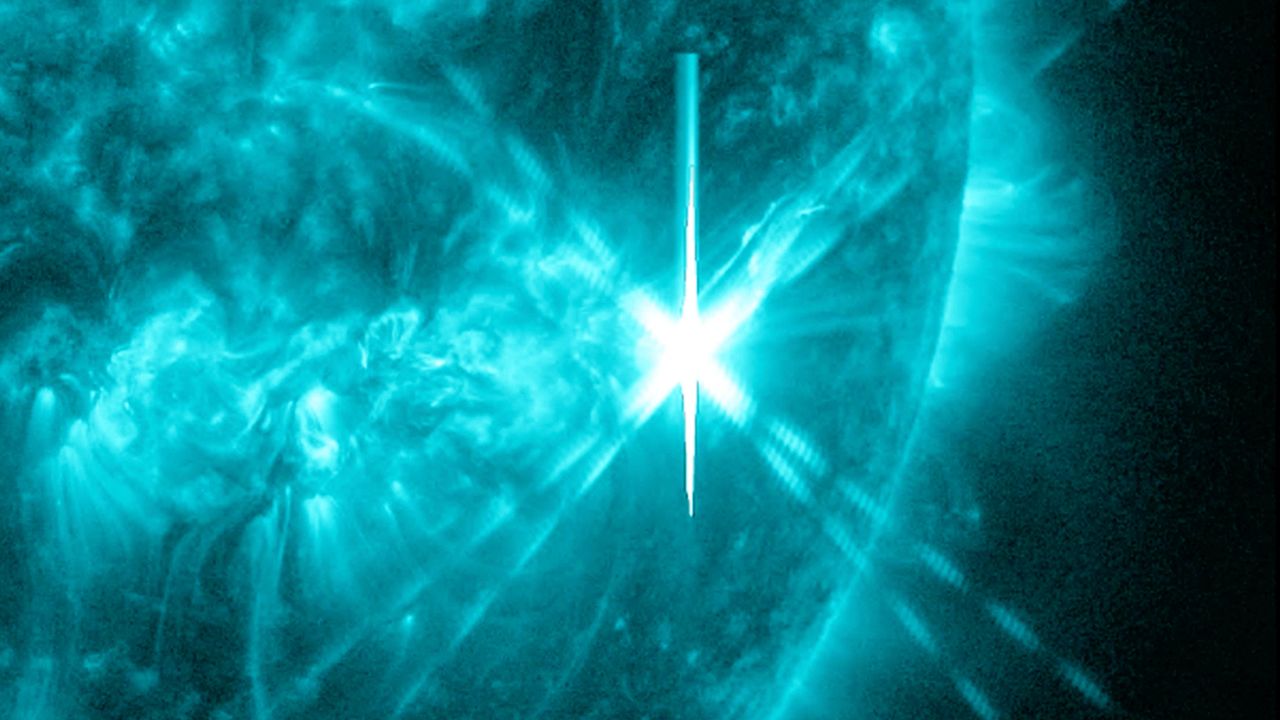
Sun unleashes intense X-class solar flare, triggering radio blackouts across Australia
NeutralScience
A powerful X1.1 solar flare erupted from sunspot region 4298, causing significant radio blackouts across Australia during the flare's peak activity. This event highlights the dynamic nature of solar phenomena and their immediate effects on Earth.
AI is making spacecraft propulsion more efficient – and could even lead to nuclear-powered rockets
PositiveScience
Recent advancements in artificial intelligence (AI) are enhancing spacecraft propulsion systems, potentially paving the way for the development of nuclear-powered rockets. This innovation is expected to significantly improve the efficiency of space exploration technologies, allowing for more ambitious missions beyond current capabilities.
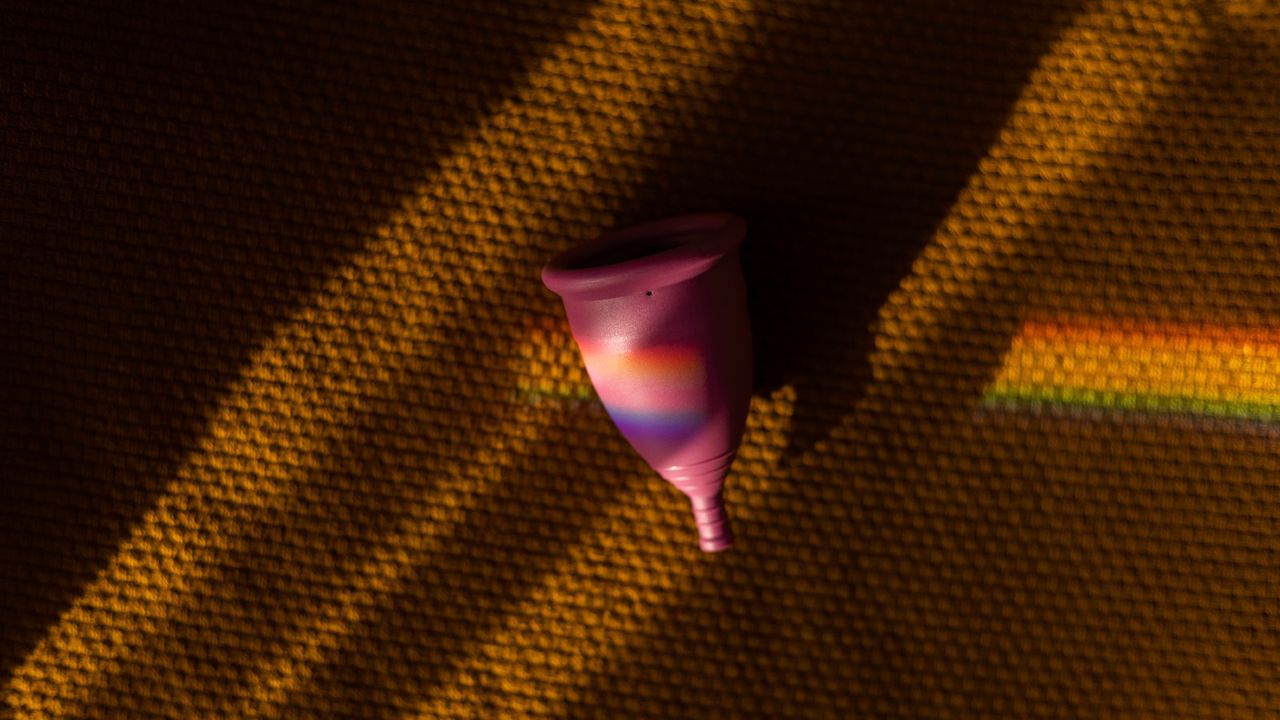
Scientists sent a menstrual cup to space. This is how it went
NeutralScience
Scientists have successfully sent a menstrual cup to space, marking a significant step in addressing the needs of menstruating astronauts. Traditionally, astronauts who menstruate often suppress their cycles with hormones before missions, highlighting a gap in menstrual health solutions for space travel.
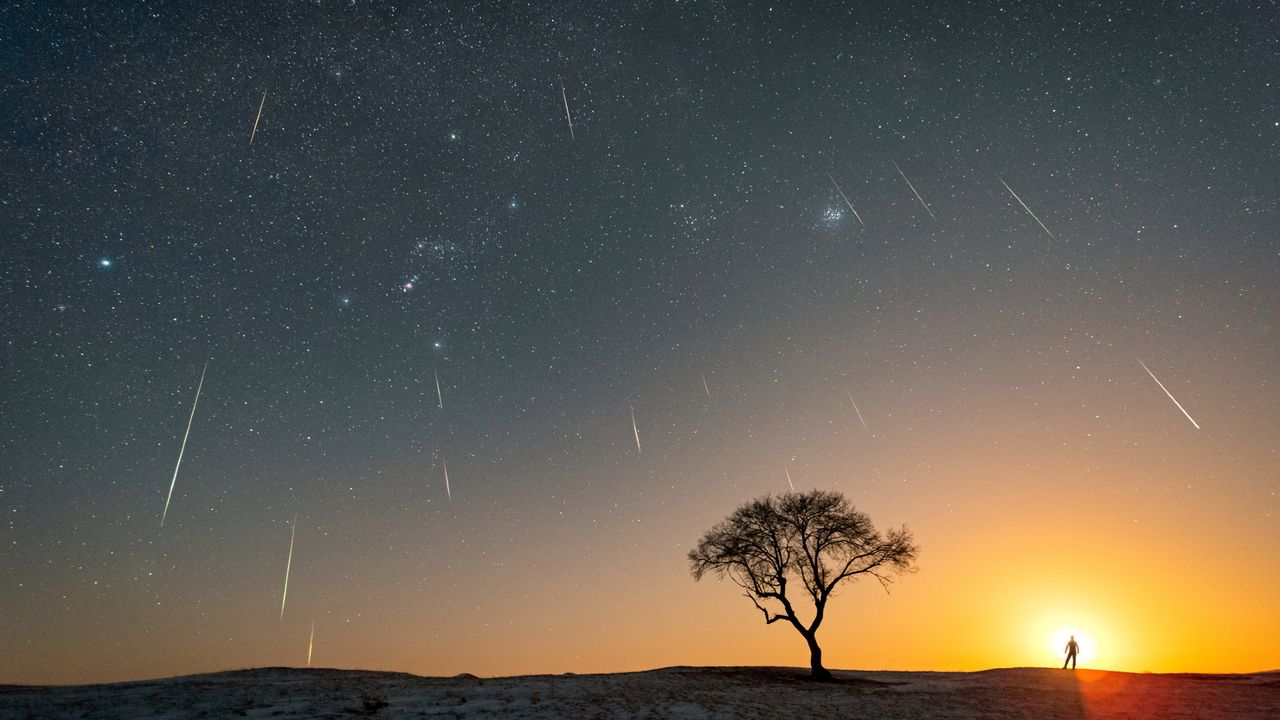
Geminid meteor shower 2025 peaks next week. Here's what you need to know about this year's best meteor shower
PositiveScience
The Geminid meteor shower is set to peak next week, offering skywatchers the opportunity to witness up to 150 meteors per hour under optimal viewing conditions. This annual event, known for its bright and colorful shooting stars, began on December 4 and will reach its climax on the night of December 13-14.