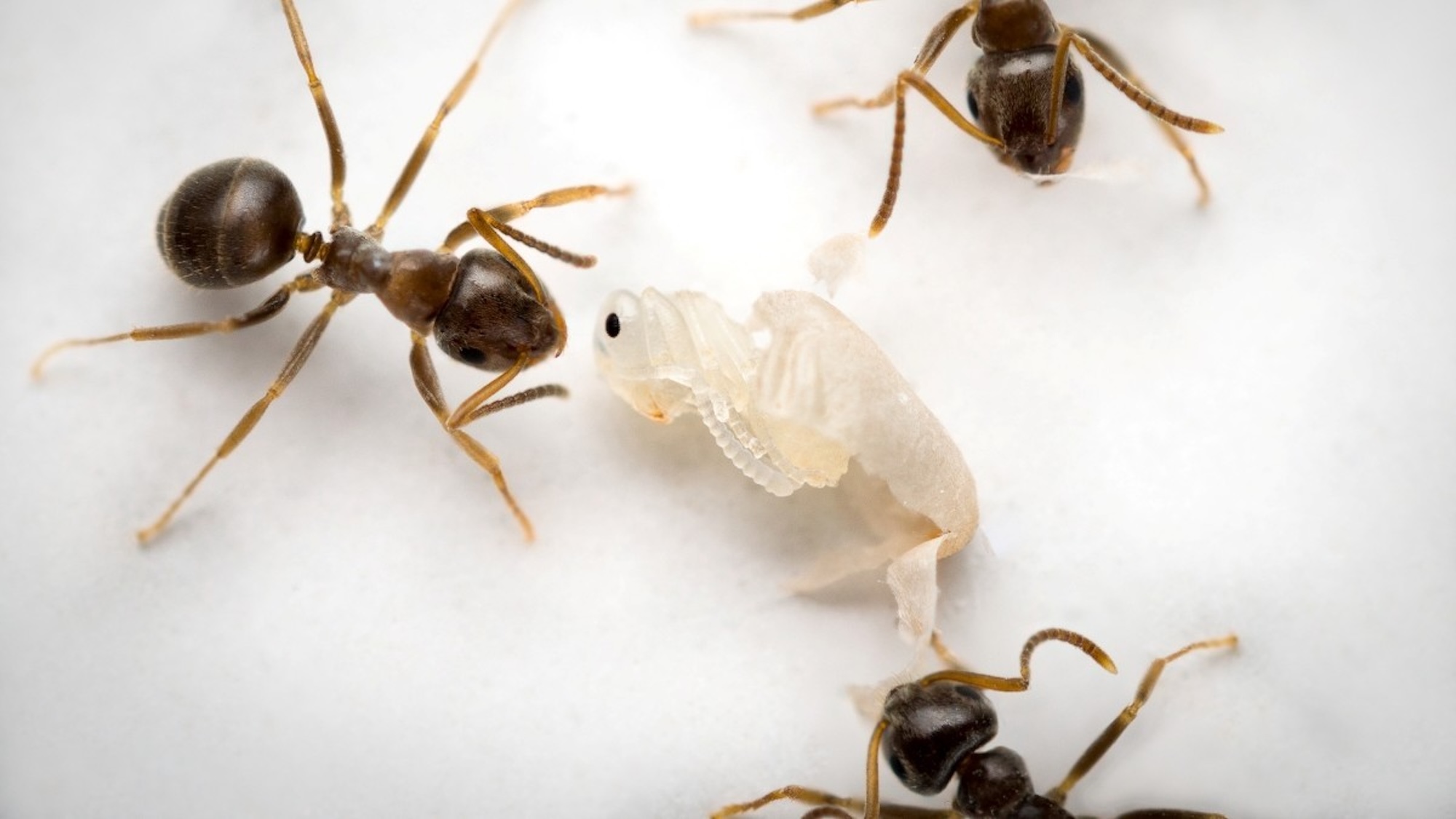
Sick baby ants sacrifice themselves to save their colony

Popular ScienceTuesday, December 2, 2025 at 4:00:00 PM
PositiveScience
Sick baby ants sacrifice themselves to save their colony
  • New research indicates that sick baby ants emit a chemical signal while still in their cocoons, prompting a self-sacrificial behavior to protect their colony. This discovery sheds light on the complex social dynamics and survival strategies within ant communities.
  • The findings are significant as they reveal the lengths to which these insects will go to ensure the survival of their colony, highlighting the importance of cooperation and altruism in social insects. This behavior may influence future studies on insect communication and social structures.
  • This research aligns with broader themes in animal behavior, particularly the instinctual predatory behaviors observed in other species, such as cats, which have been documented to exhibit strong hunting instincts towards insects. Understanding these interactions contributes to the field of iEcology, which examines the relationships between different species in their ecosystems.
— via World Pulse Now AI Editorial System


Was this article worth reading? Share it

Recommended apps based on your readingExplore all apps
Continue Readings
How to tell time on Mars
PositiveScience
Physicists have determined the rate at which time moves on Mars, providing crucial insights into the planet's temporal dynamics. This discovery enhances the understanding of Martian timekeeping, which is essential for future exploration and potential colonization efforts.
Quieter dental drills may be on the horizon
NeutralScience
Researchers are exploring the development of quieter dental drills, which could significantly reduce the high-pitched noise that often causes anxiety, particularly among children, during dental procedures. This innovation aims to enhance patient comfort and improve the overall dental experience.
Record-breaking 75-year-old mother bird prepares to nest
PositiveScience
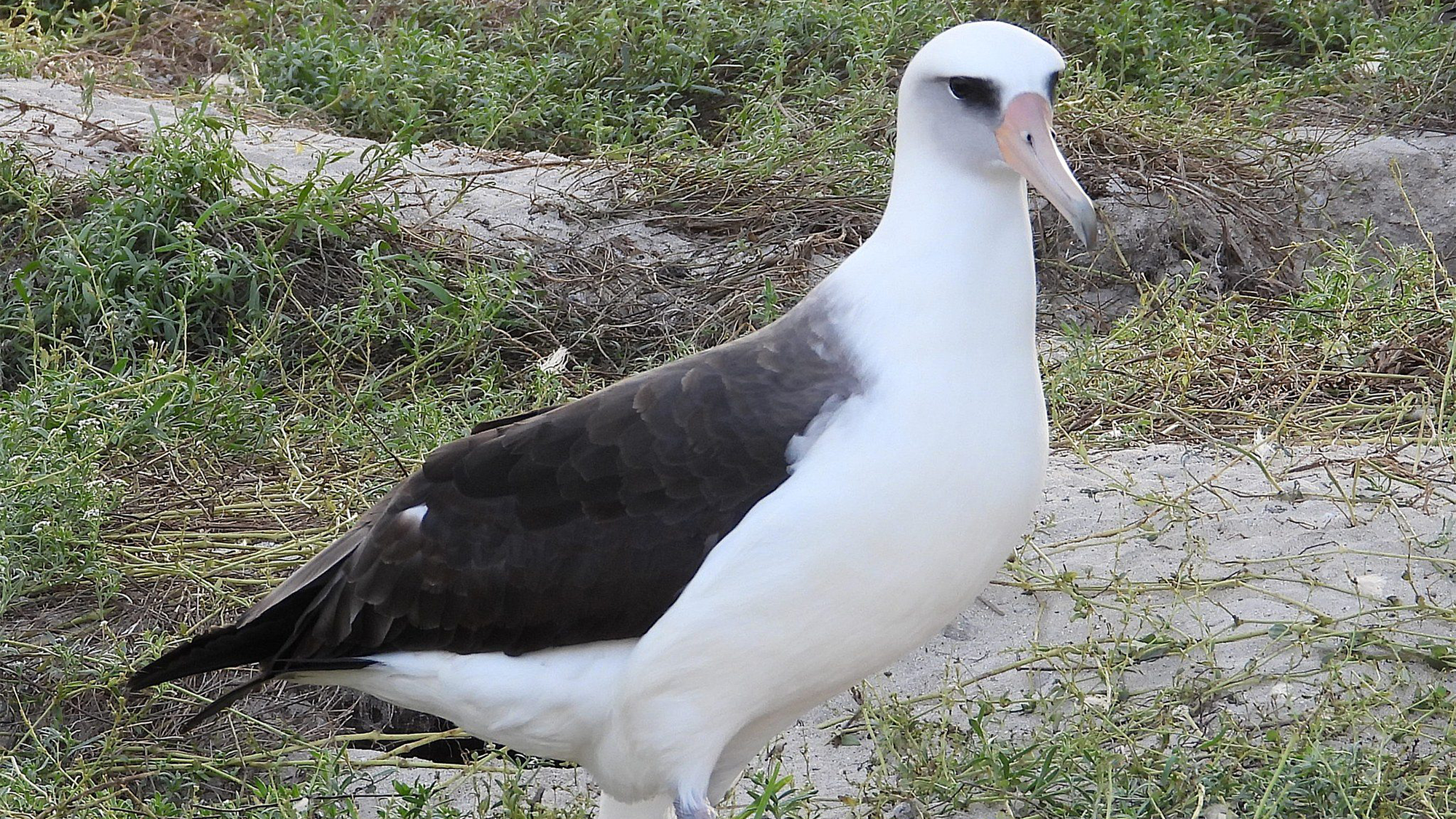
Wisdom, a remarkable 75-year-old mother bird, is preparing to nest, continuing her legacy of laying eggs since the Eisenhower Administration. This extraordinary age makes her the oldest known mother bird, showcasing the longevity and resilience of wildlife.
December stargazing: An infamous comet and one last supermoon for 2025
NeutralScience
Winter officially begins on December 21, 2025, coinciding with the appearance of an infamous comet and the last supermoon of the year, providing a unique opportunity for stargazers to witness these celestial events. The comet's visibility and the supermoon are expected to attract significant attention from astronomy enthusiasts and the general public alike.