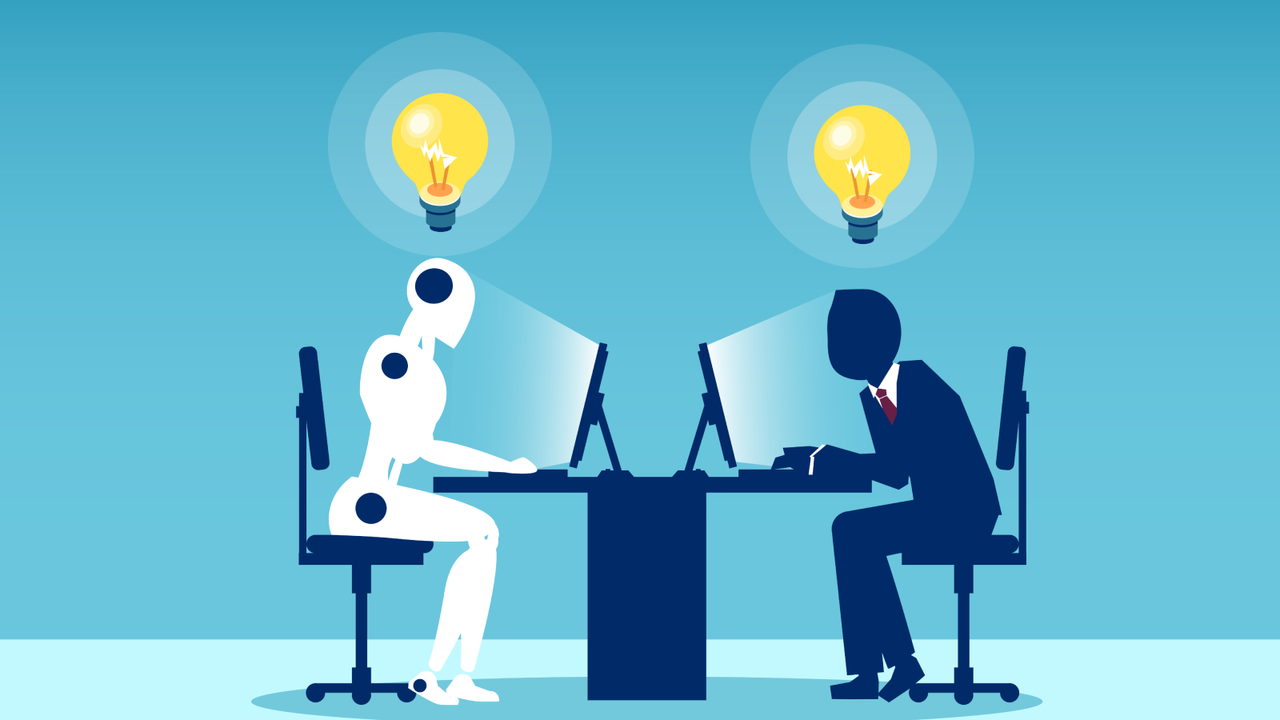
Do Brain-Decoding Devices Threaten People’s Privacy?
NegativeScience
- Ethicists have raised concerns that advancements in AI-powered neurotechnology, particularly brain-decoding devices, may threaten individual privacy and autonomy. This technology has the potential to access and interpret thoughts, raising ethical questions about consent and data security.
- The implications of these developments are significant, as they challenge existing privacy norms and could lead to a societal shift in how personal thoughts and data are perceived and protected. The potential for misuse of such technology poses risks to personal freedoms.
- This issue reflects broader anxieties regarding the rapid advancement of AI technologies, with experts warning of potential societal breakdowns and the need for stringent regulations. The ongoing debate about AI's role in society highlights the tension between innovation and ethical considerations, particularly in areas affecting human rights and privacy.
— via World Pulse Now AI Editorial System