2025 Wasn’t the Hottest Year on Record. Earth Is Still Barreling to the Climate Brink

Scientific AmericanWednesday, January 14, 2026 at 3:00:00 AM
NegativeScience
  • Global temperatures dipped in 2025, but the last three years have been the hottest on record, with global warming surpassing 1.5 degrees Celsius, indicating that Earth is on track to breach the Paris climate agreement by the end of the decade.
  • This trend underscores the urgency of addressing climate change, as the continued rise in temperatures poses significant risks to ecosystems, human health, and global economies, necessitating immediate action from governments and organizations worldwide.
  • The alarming increase in extreme weather events, such as the Palisades Fire along the Pacific Coast Highway, highlights the ongoing impact of climate change, reinforcing the need for comprehensive strategies to mitigate carbon emissions and adapt to the changing climate.
— via World Pulse Now AI Editorial System

Was this article worth reading? Share it

Recommended apps based on your readingExplore all apps
Continue Readings
Global temperatures dipped in 2025 but more heat records on way, scientists warn
NegativeScience
Global temperatures experienced a dip in 2025, yet scientists caution that more heat records are anticipated in the future. This follows a trend where the last three years have been the hottest on record, driven by ongoing carbon emissions from human activities.
Extreme Weather Events Hit Around the World in 2025
NegativeScience
In 2025, extreme weather events have significantly impacted various regions globally, with the Palisades Fire raging along the Pacific Coast Highway in January, contributing to the alarming trend of climate change. Last year was recorded as the third hottest year on Earth, highlighting the urgent need for action against climate-related disasters.
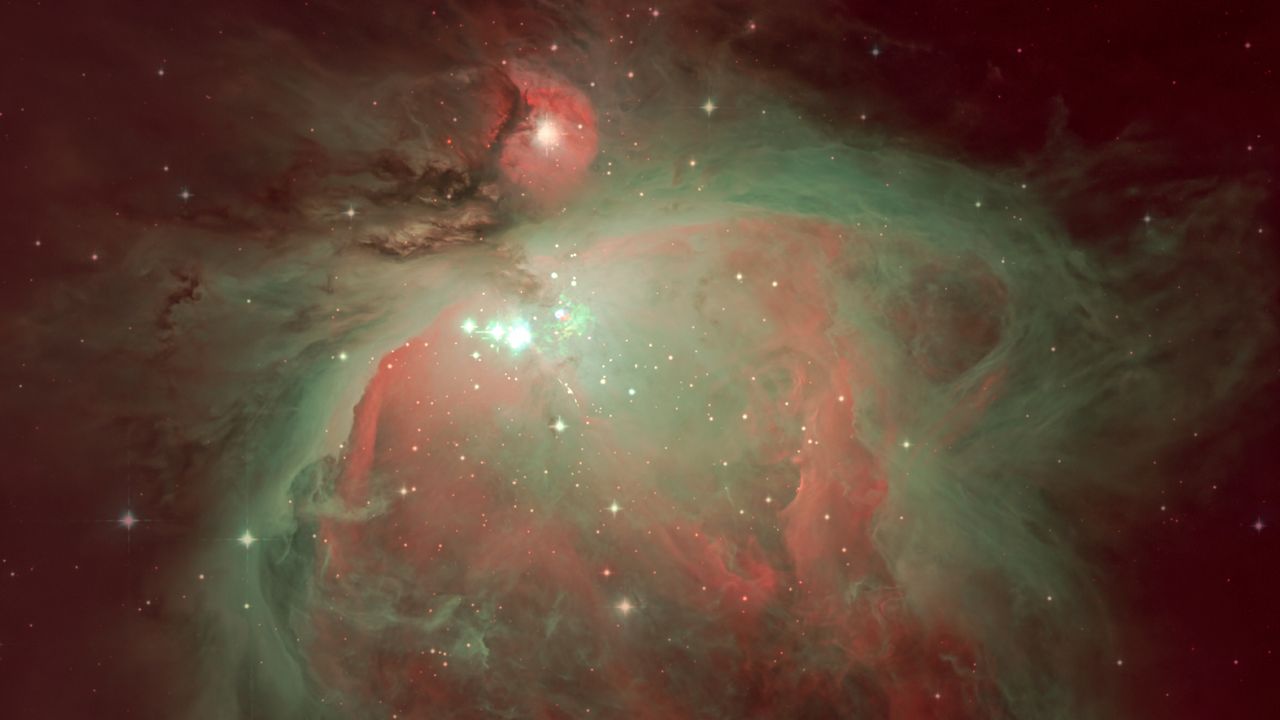
This stunning Orion Nebula photo will make you want to grab a telescope this week
PositiveScience
A stunning photograph of the Orion Nebula, the closest large star-forming region located 1,500 light-years from Earth, has captured the attention of astronomy enthusiasts and is encouraging many to explore the night sky with telescopes this week.

Ready to build your own newsroom?

Subscribe to unlock a personalised feed, podcasts, newsletters, and notifications tailored to the topics you actually care about