A professor kept a pet worm for 20 years. It just set a record.

Popular ScienceFriday, December 12, 2025 at 3:11:59 PM
PositiveScience
A professor kept a pet worm for 20 years. It just set a record.
  • A professor in Virginia has set a record by keeping a pet worm named Baseodiscus for 20 years, highlighting the remarkable longevity of this species. This achievement not only showcases the dedication of the professor but also brings attention to the often
  • The longevity of Baseodiscus emphasizes the potential for extended study of such organisms, which can provide insights into ecological health and biodiversity. This record may inspire further interest in the care and study of lesser
  • The story of Baseodiscus aligns with broader themes of wildlife longevity, as seen in other remarkable cases like Wisdom, a 75
— via World Pulse Now AI Editorial System

Was this article worth reading? Share it

Continue Readings
Man with metal detector stumbles on perplexing Viking Age grave
NeutralScience
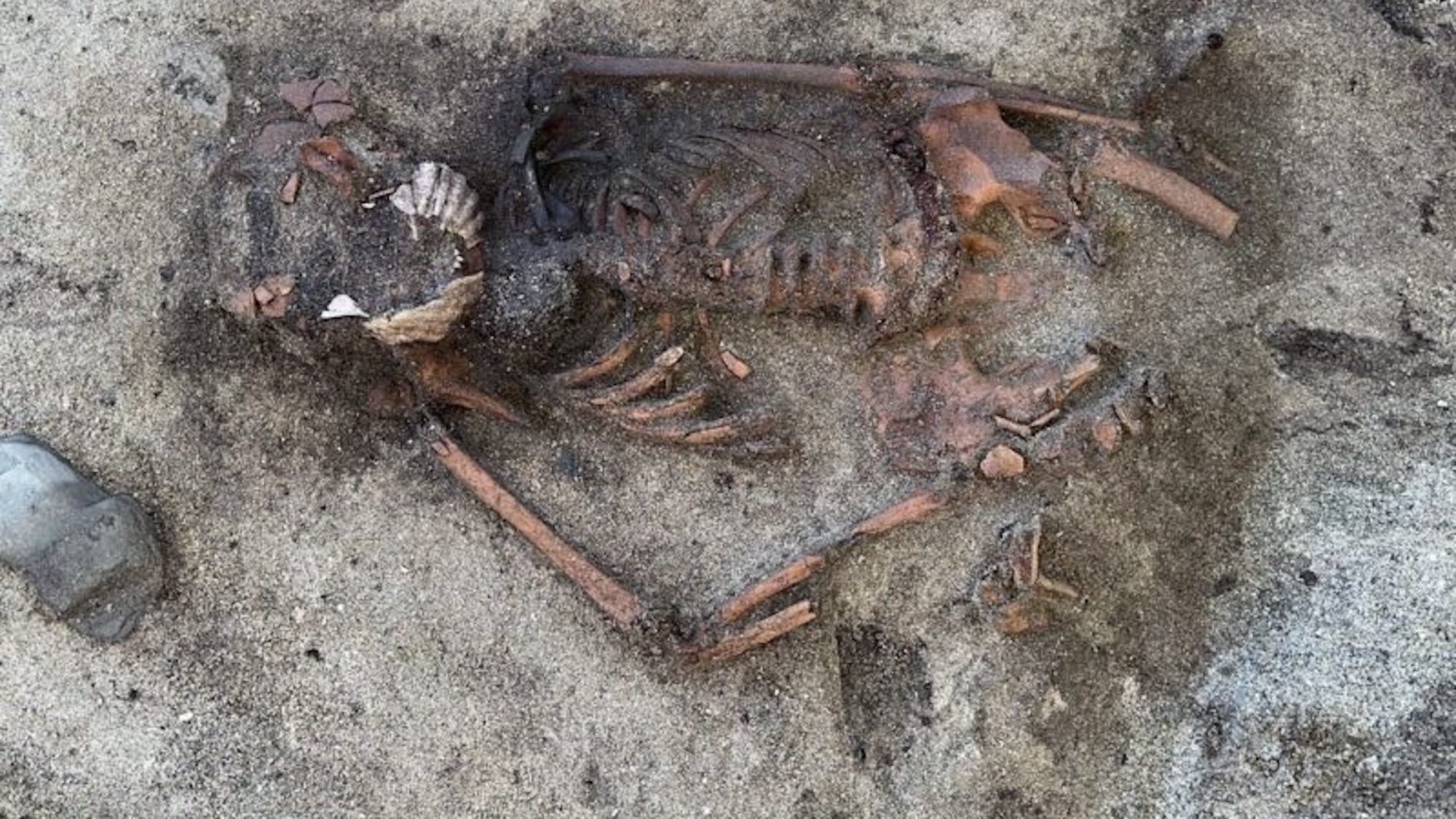
A man using a metal detector in Norway uncovered a Viking Age grave, where the deceased was found with scallop shells partially covering the mouth, suggesting a unique burial practice. This discovery adds to the understanding of Viking funerary customs and the significance of shellfish in their culture.
Rivian announces AI chip in move towards self-driving future
PositiveScience
Rivian has announced the development of an AI chip designed in-house, marking a significant step towards its goal of achieving self-driving technology. The chip was developed in the heart of Silicon Valley, a hub for technological innovation.
Librarians can’t keep up with bad AI
NegativeScience
Librarians are struggling to keep pace with the challenges posed by artificial intelligence (AI), which is increasingly generating false information and hallucinations, complicating their ability to provide accurate resources. This issue highlights the growing concerns about the reliability of AI in information dissemination.
A ‘spectacular’ dinosaur dome heads for the Smithsonian
PositiveScience
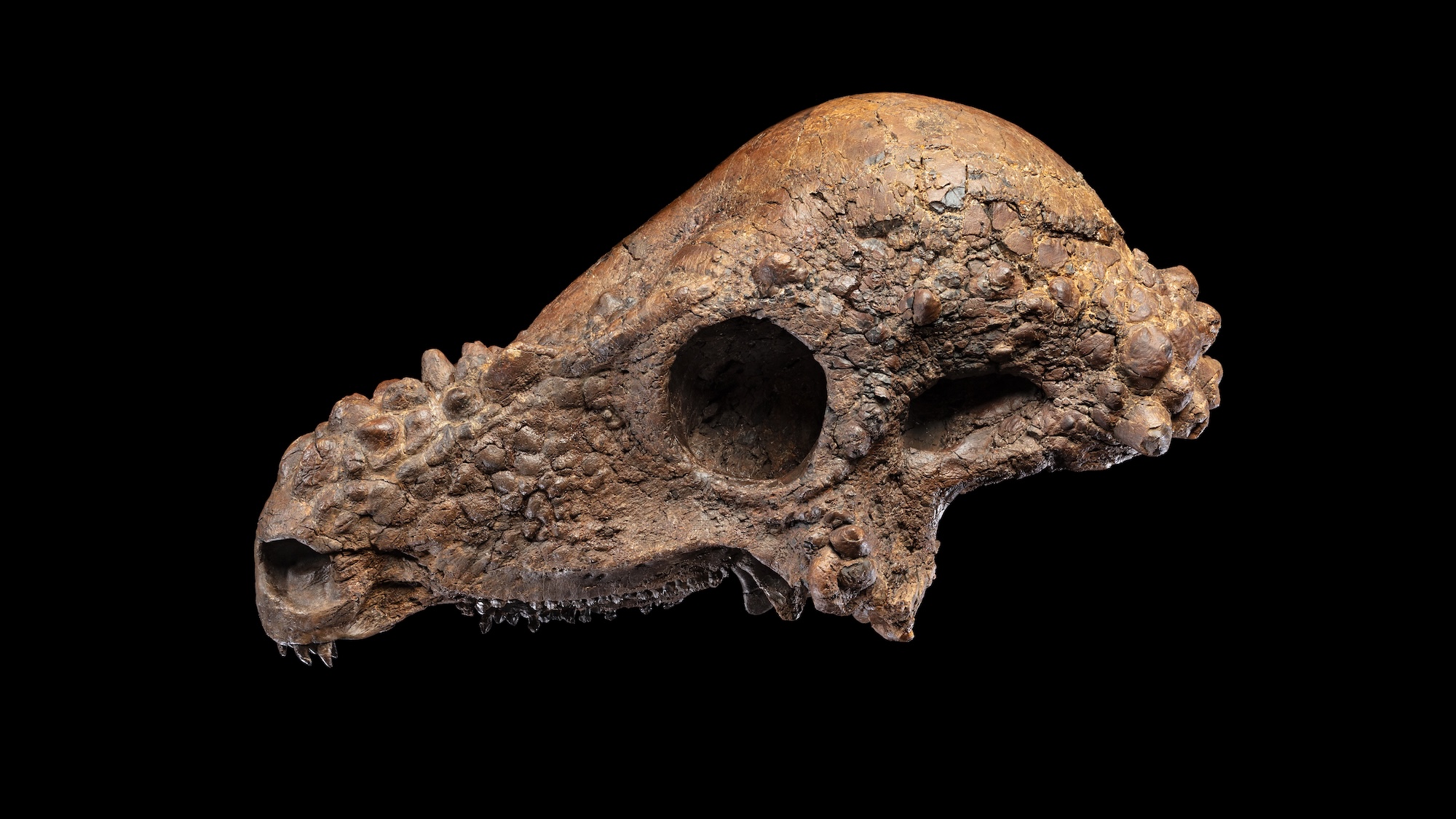
The Pachycephalosaurus, a dinosaur known for its remarkably thick skull, is set to be displayed at the Smithsonian, highlighting its significance during the Late Cretaceous period. This exhibit will provide an opportunity for the public to engage with a key species that offers insights into dinosaur evolution and behavior.
Why some animals eat their babies
NeutralScience
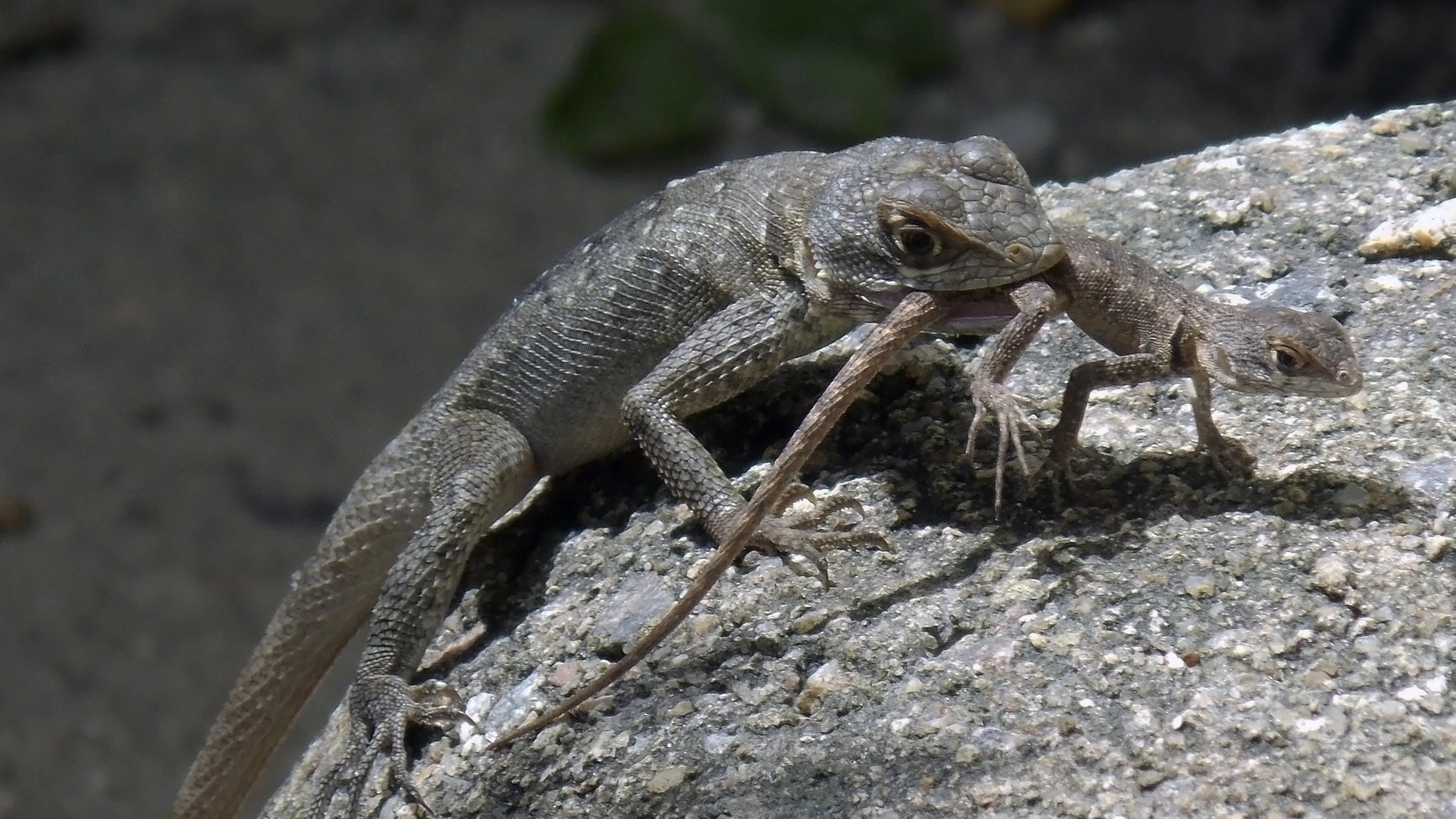
Animal filial cannibalism has been observed in various species, including fish, insects, and domestic pets, raising questions about the survival strategies of these animals. This behavior, while distressing, can be a response to environmental pressures and resource scarcity, leading some species to consume their young to ensure the survival of the fittest.

Ready to build your own newsroom?

Subscribe to unlock a personalised feed, podcasts, newsletters, and notifications tailored to the topics you actually care about