Ruby the turtle needs a new greenhouse. Dance companies are stepping up.

Popular ScienceFriday, December 5, 2025 at 4:00:00 PM
PositiveScience
Ruby the turtle needs a new greenhouse. Dance companies are stepping up.
  • Ruby the turtle is in need of a new greenhouse, prompting several dance companies to take action in support of conservation efforts. This initiative highlights the intersection of art and environmental stewardship, showcasing how creative communities can contribute to wildlife preservation.
  • The involvement of dance companies in this conservation effort underscores the growing recognition of the arts as a powerful platform for raising awareness about environmental issues. This collaboration not only aids Ruby the turtle but also inspires broader community engagement in conservation efforts.
— via World Pulse Now AI Editorial System
Was this article worth reading? Share it

Recommended apps based on your readingExplore all apps
Continue Readings
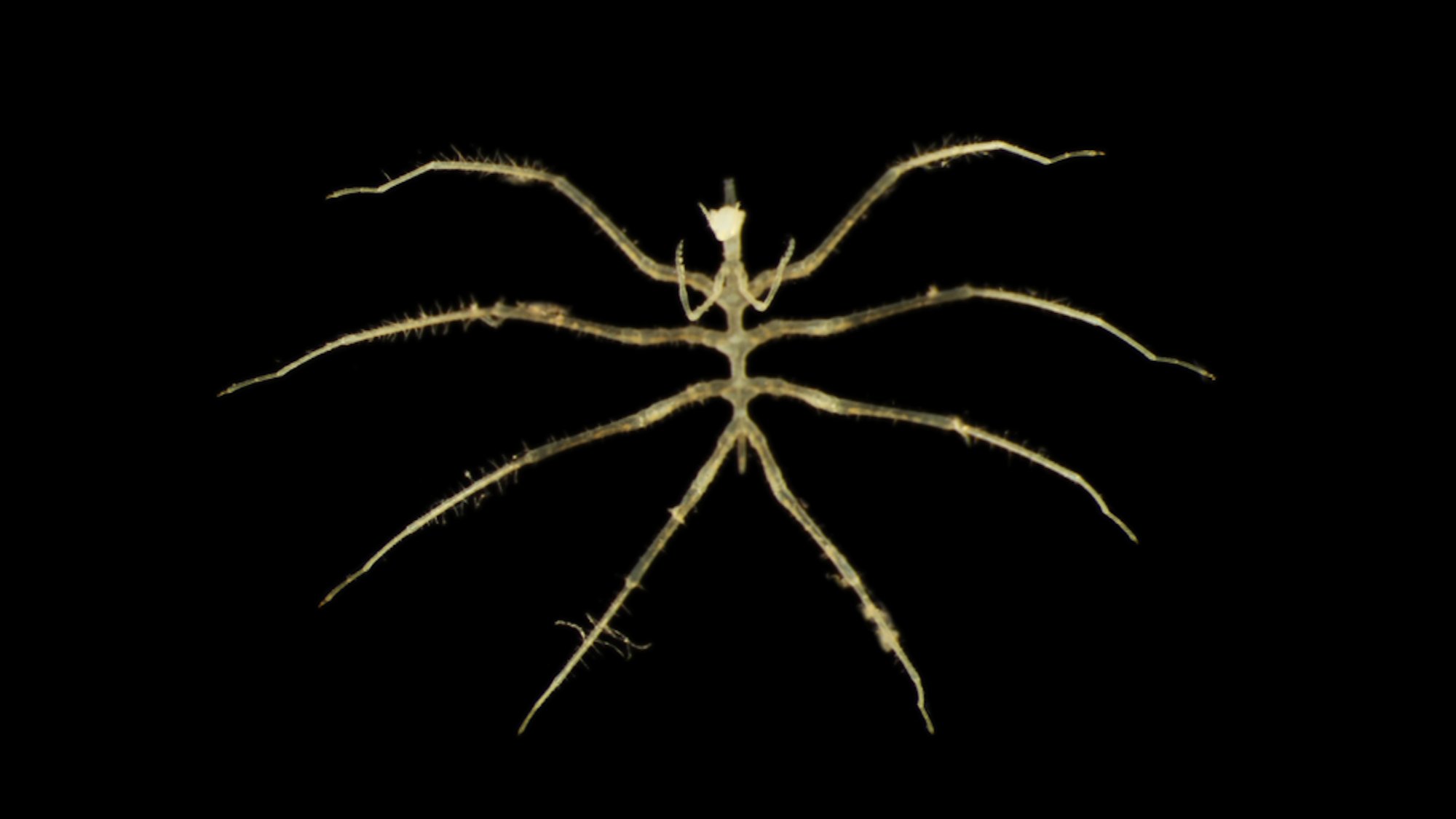
Deep sea mining test uncovered multiple new species
NeutralScience
A recent study on deep sea mining has revealed multiple new species, marking one of the first investigations into the biodiversity of the abyssal plain affected by mining activities. This research highlights the ecological impact of such operations, raising concerns about the preservation of marine life in these unexplored depths.
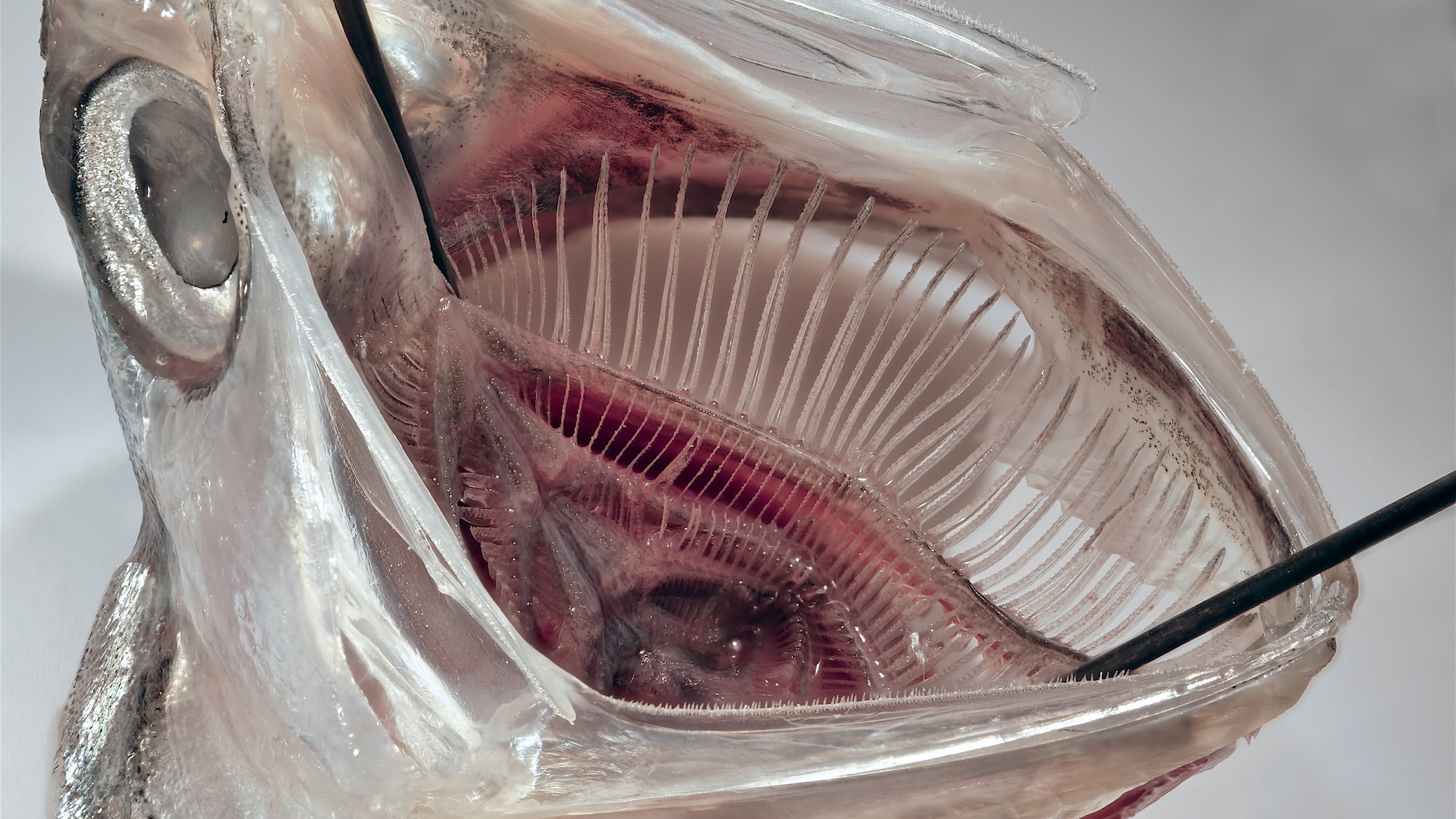
Sardine-inspired washing machine filter removes 99% of microplastics
PositiveScience
A new washing machine filter inspired by sardines has been developed, capable of removing 99% of microplastics generated during laundry, which can amount to 500 grams annually per household. This innovation addresses a significant environmental concern related to microplastic pollution from home appliances.
Hubble Space Telescope caught a second glimpse of comet 3I/ATLAS
NeutralScience
The Hubble Space Telescope has captured a second glimpse of the interstellar comet 3I/ATLAS, which continues its journey through the solar system. This observation adds to the growing body of data on the comet, enhancing understanding of its characteristics and trajectory.
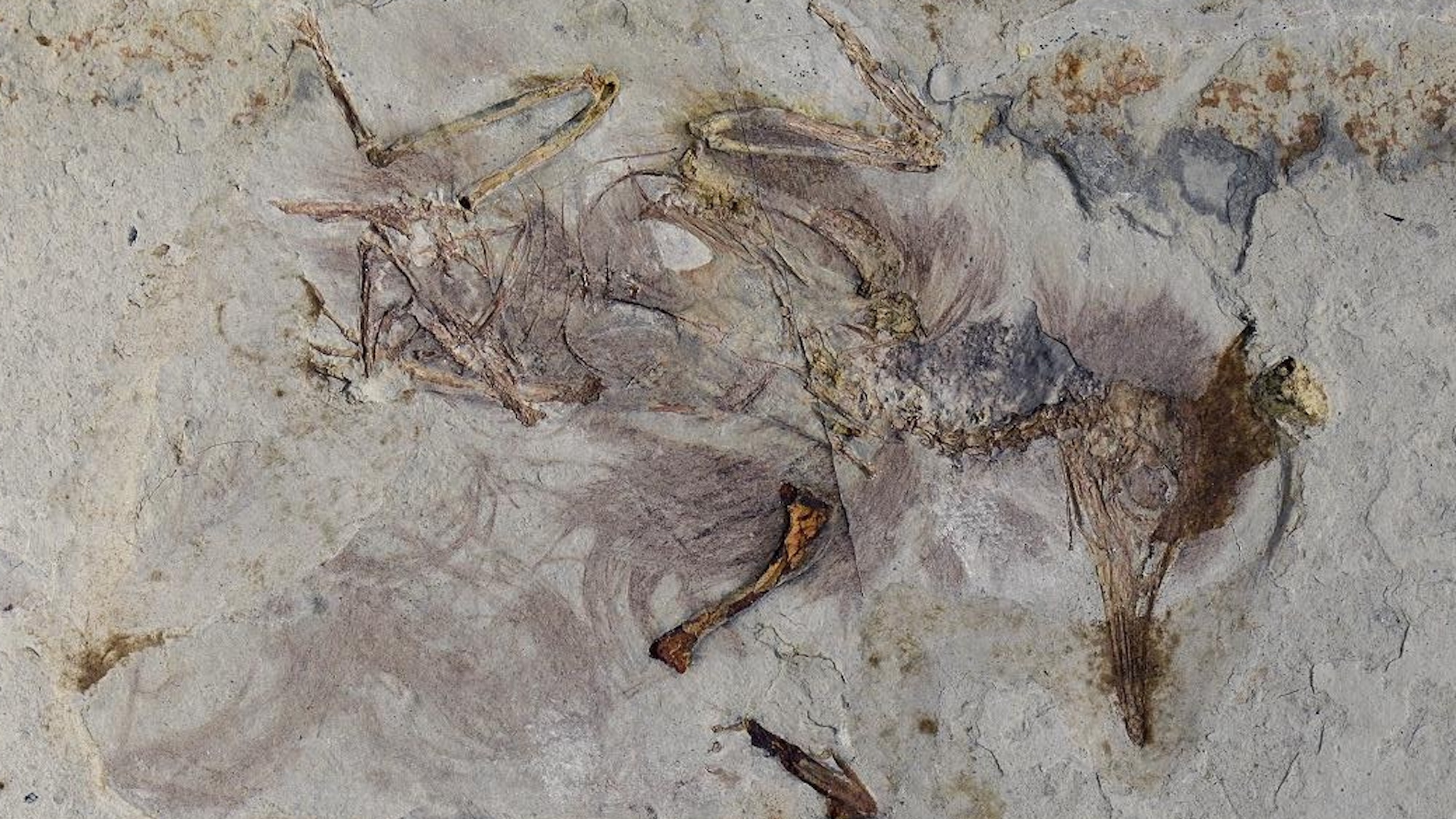
Why did this ancient bird die with tiny rocks in its throat?
NeutralScience
A 120-million-year-old fossil of an ancient bird has been discovered with tiny rocks lodged in its throat, raising questions about its death and potential choking hazards. This finding highlights the dietary habits of prehistoric birds and their interactions with their environment.
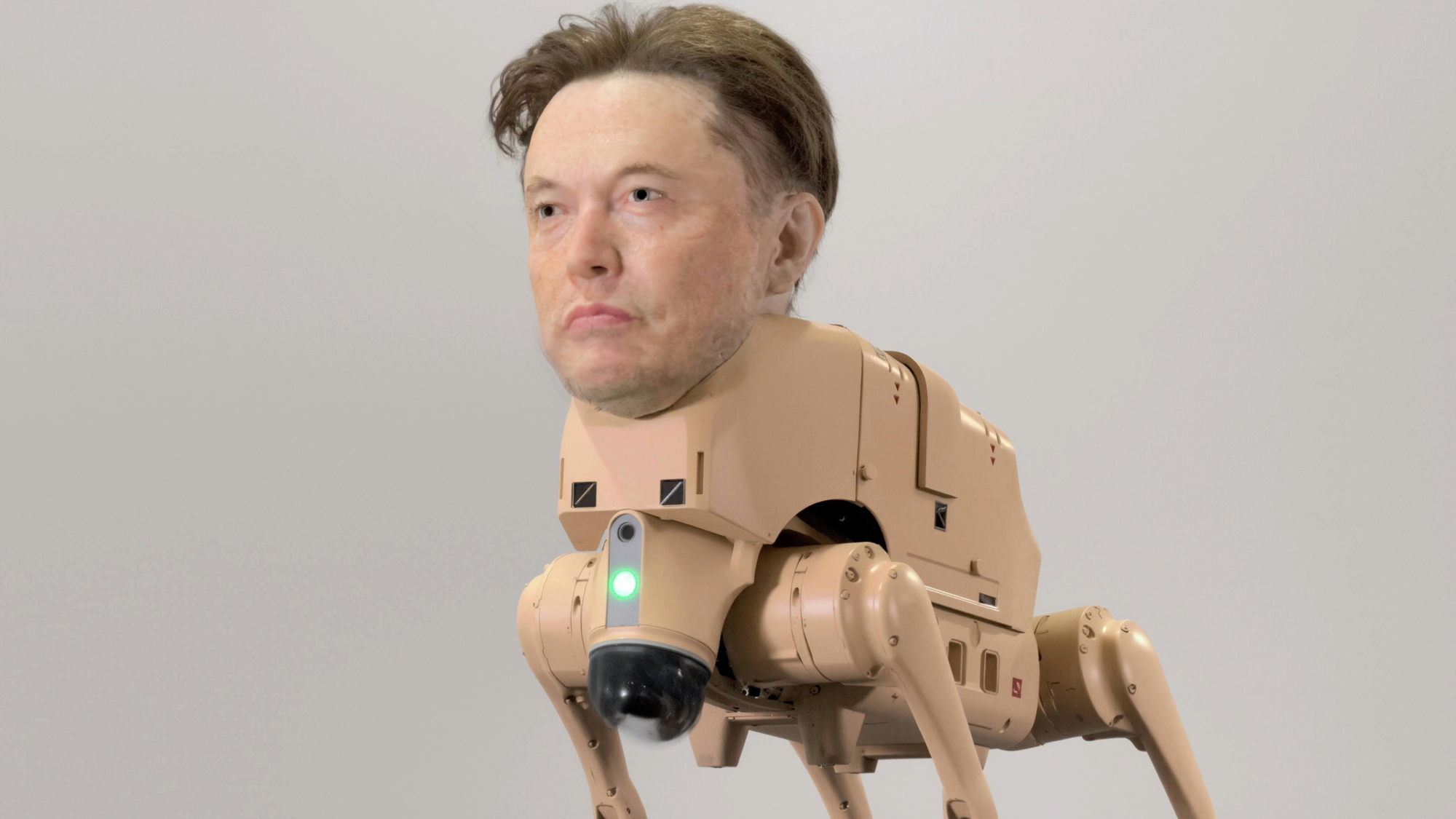
Robot dog with Elon Musk’s head poops out AI generated art
NeutralScience
A new art installation features a robot dog with the head of Elon Musk, which produces AI-generated art as part of its performance. This installation highlights the intersection of technology and art, showcasing the influence of prominent figures in the tech industry.
Pond frogs devour murder hornets, stinger and all
PositiveScience
Recent observations have revealed that pond frogs are capable of consuming murder hornets, including their venomous stingers, showcasing their remarkable resilience to insect venom. This behavior highlights the unique predatory adaptations of these amphibians in their natural habitat.
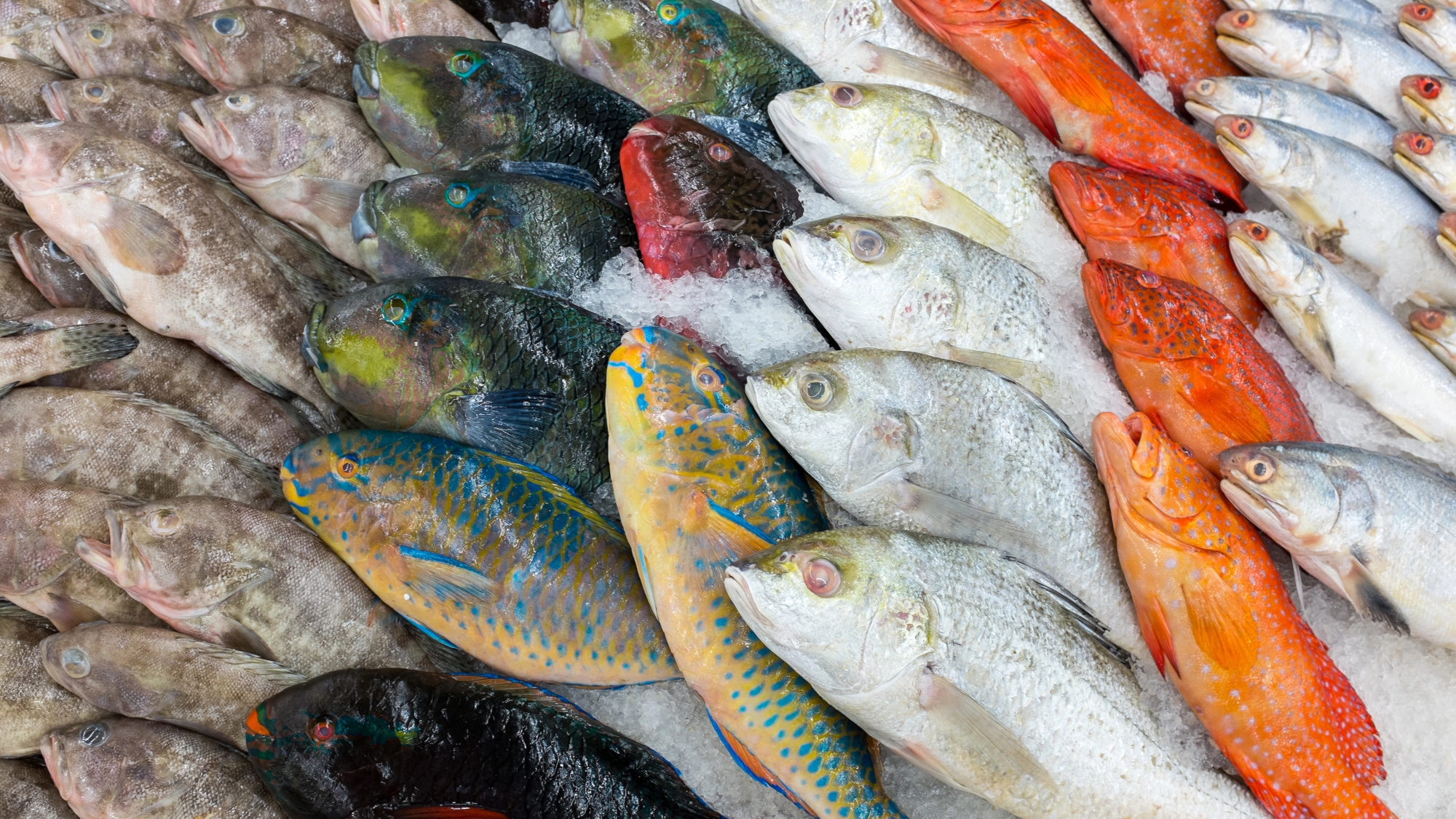
Afraid your fish is too fishy? Smart sensors might save your nose
PositiveScience
Microneedles have been developed that can detect when fish starts to spoil, providing an early warning system before unpleasant odors are noticeable. This technology aims to enhance food safety and reduce waste by ensuring that consumers are informed about the freshness of their seafood.
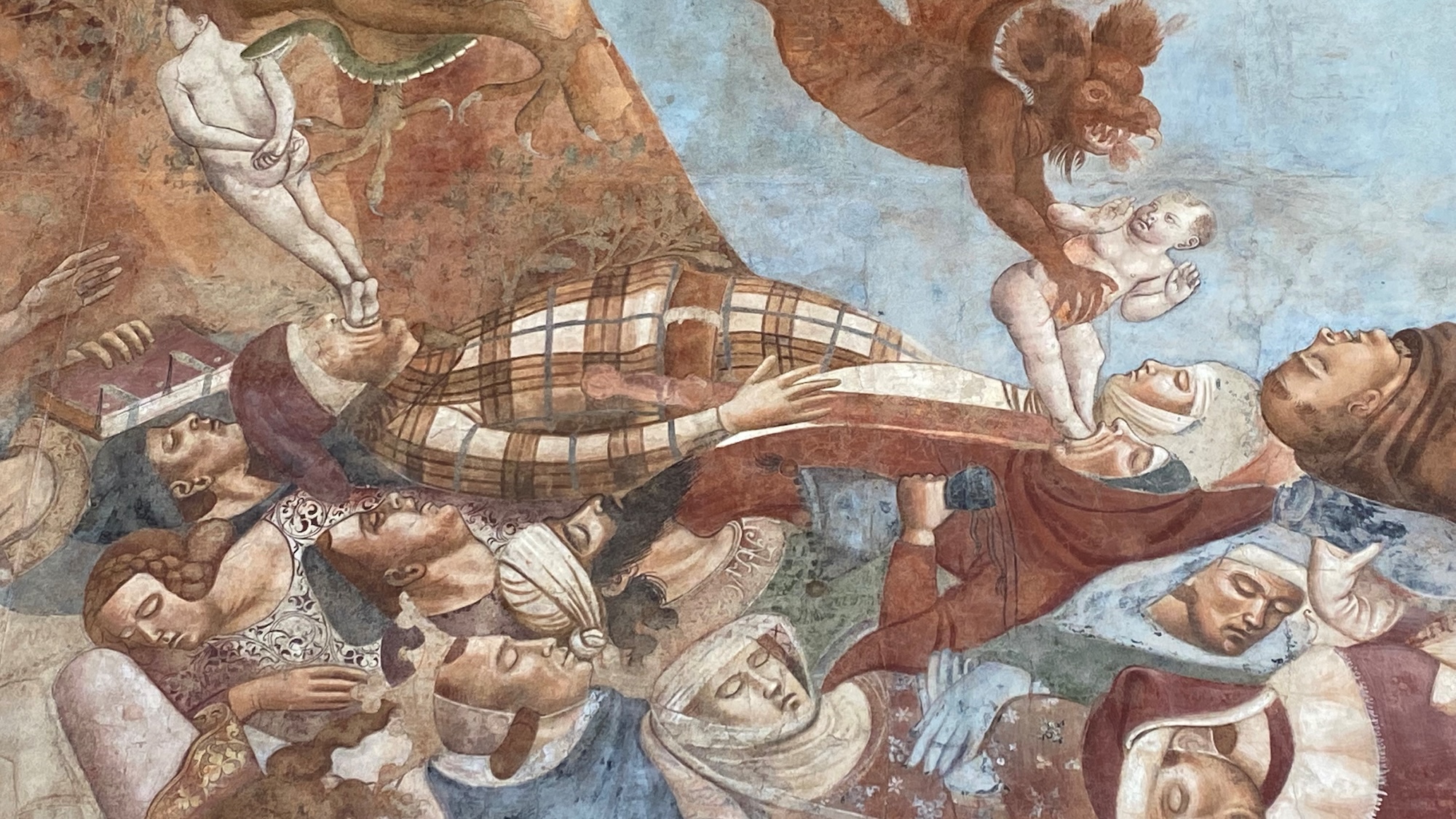
Medieval volcanoes may have ignited the Black Death
NeutralScience
Recent studies suggest that volcanic eruptions during the medieval period may have played a significant role in triggering the Black Death, Europe's most devastating pandemic. These eruptions could have disrupted climate patterns, leading to agricultural failures and creating conditions conducive to the spread of the plague.