A history of mistletoe: The parasitic ‘dung on a twig’

Popular ScienceWednesday, December 17, 2025 at 2:00:00 PM
NeutralScience
A history of mistletoe: The parasitic ‘dung on a twig’
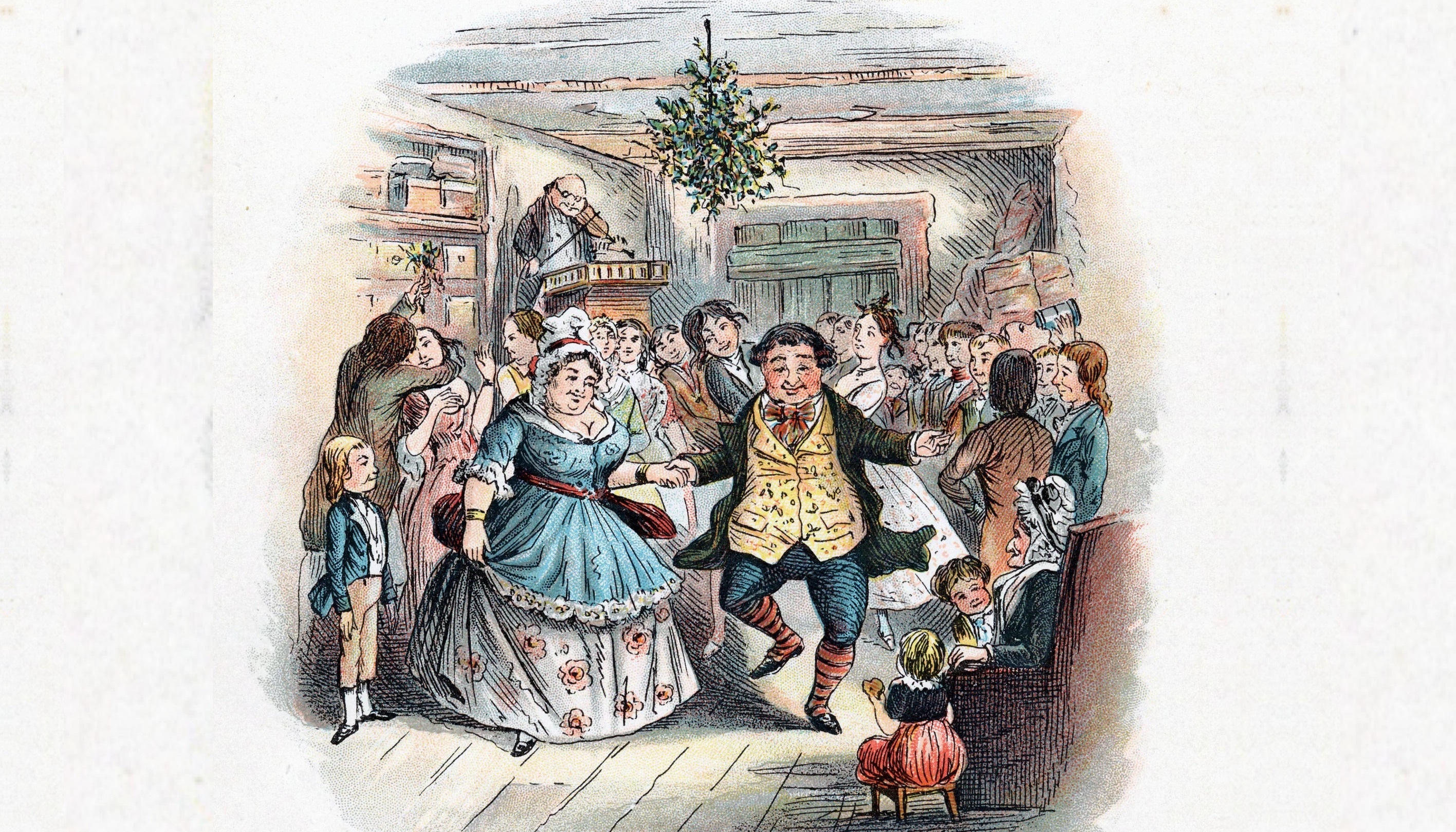
  • Mistletoe, often associated with holiday traditions such as kissing, has a rich history that intertwines with various mythologies and cultural practices, highlighting its significance beyond mere decoration. The plant is described as a parasitic organism, earning it the nickname ‘dung on a twig’ due to its growth habits.
  • Understanding the historical and cultural context of mistletoe sheds light on its enduring presence in society, illustrating how a seemingly simple plant has influenced rituals and beliefs throughout time, thus enriching cultural heritage and traditions.
— via World Pulse Now AI Editorial System

Was this article worth reading? Share it

Recommended apps based on your readingExplore all apps
Continue Readings
Diarrhea slowed down Roman soldiers
NeutralScience
Intestinal parasites were prevalent in Roman Britain, significantly affecting the health and operational efficiency of Roman soldiers. These parasites contributed to widespread diarrhea, which hindered the soldiers' performance and military effectiveness during their campaigns.
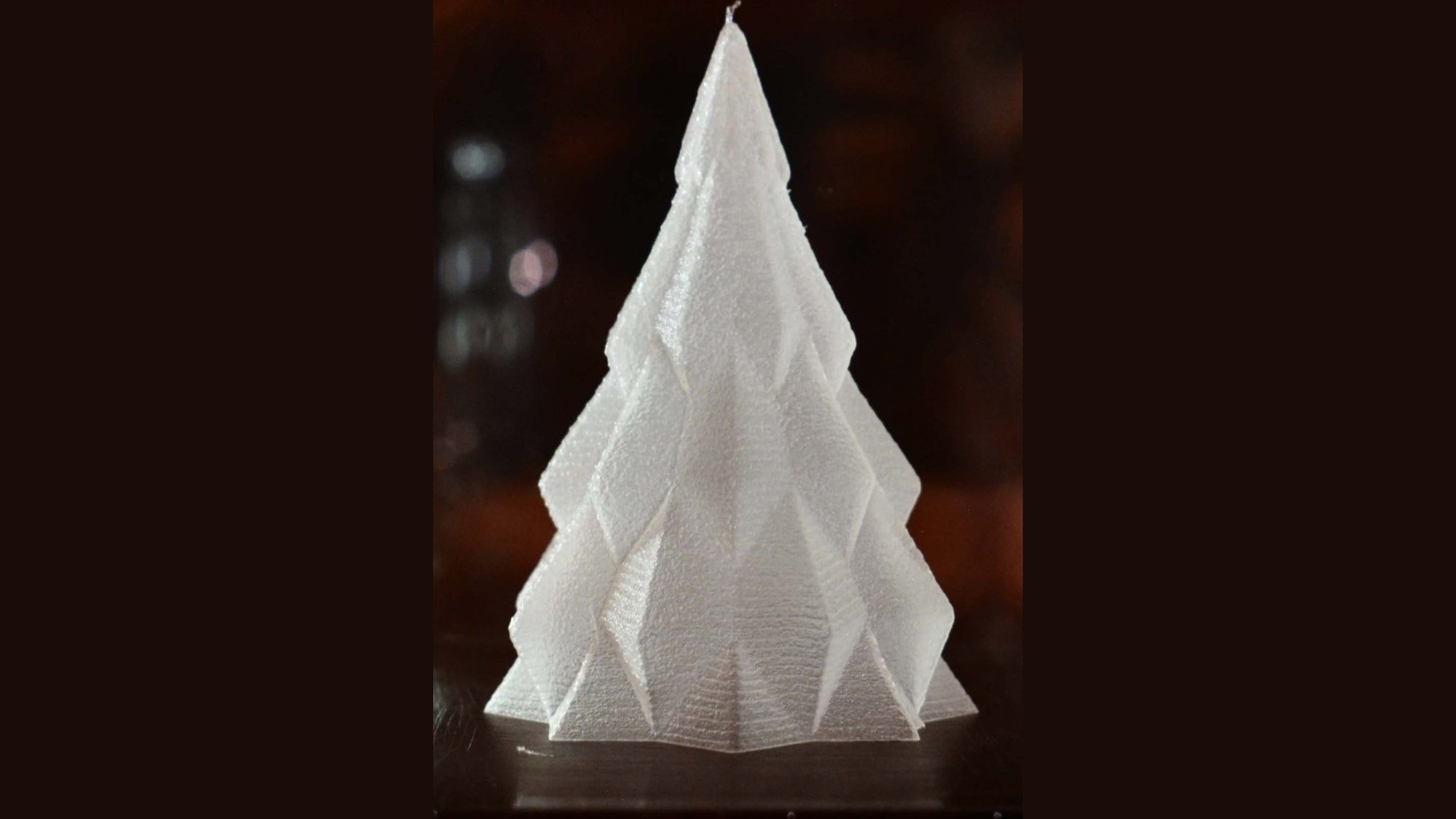
Physicists 3D-printed a Christmas tree made of ice particles
PositiveScience
Physicists have successfully 3D-printed a Christmas tree made of ice particles, measuring three inches in height. This innovative creation showcases the potential of using ice in 3D printing technology, merging holiday spirit with scientific advancement.
First-of-its-kind cosmic collision spotted 25 light-years from Earth
NeutralScience
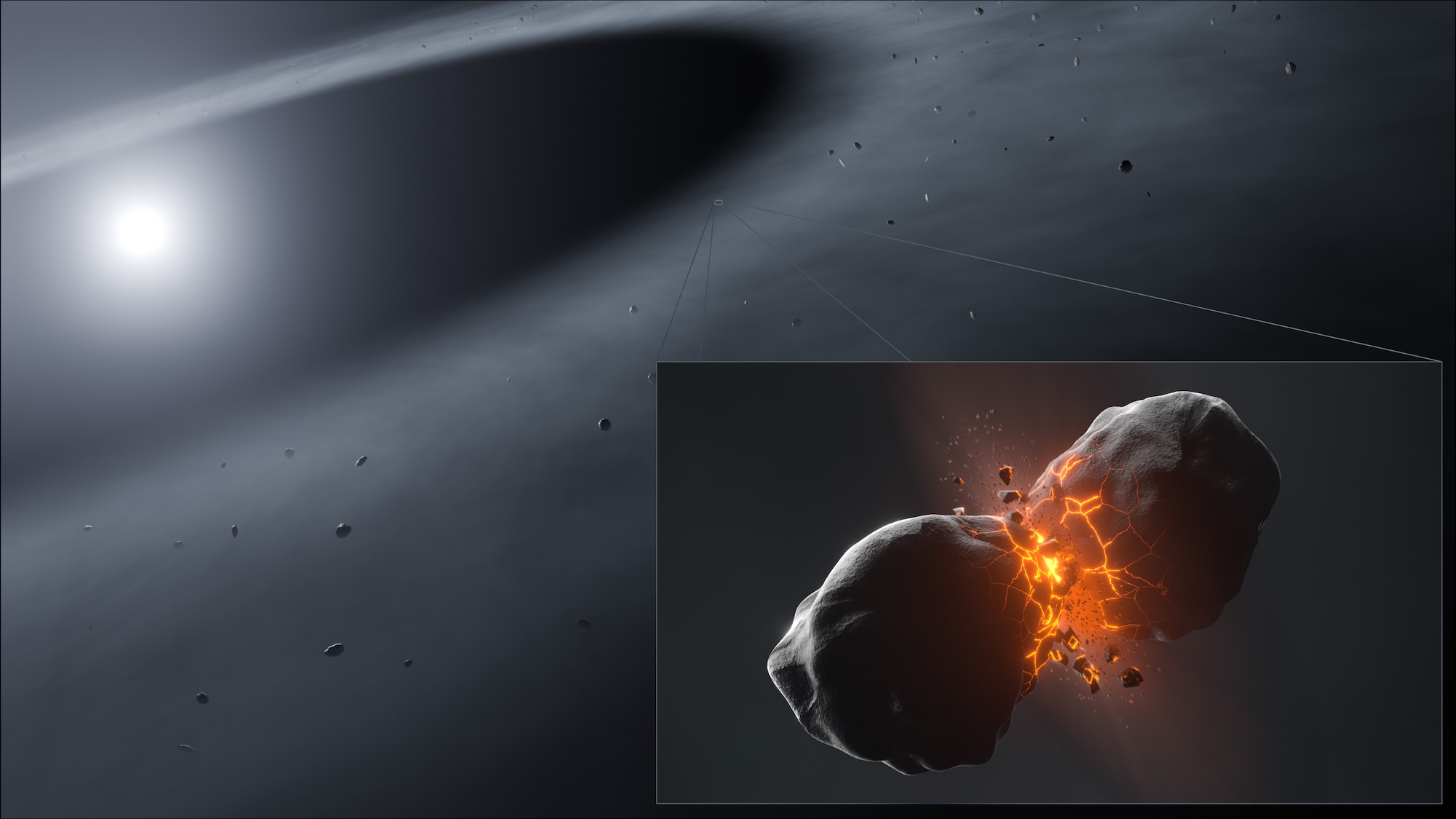
Astronomers have detected a unique cosmic collision approximately 25 light-years from Earth, initially mistaken for a new exoplanet. This event marks a significant observation in the field of astronomy, highlighting the dynamic interactions occurring in space.
Go ahead and swear—it’s good for your health
PositiveScience
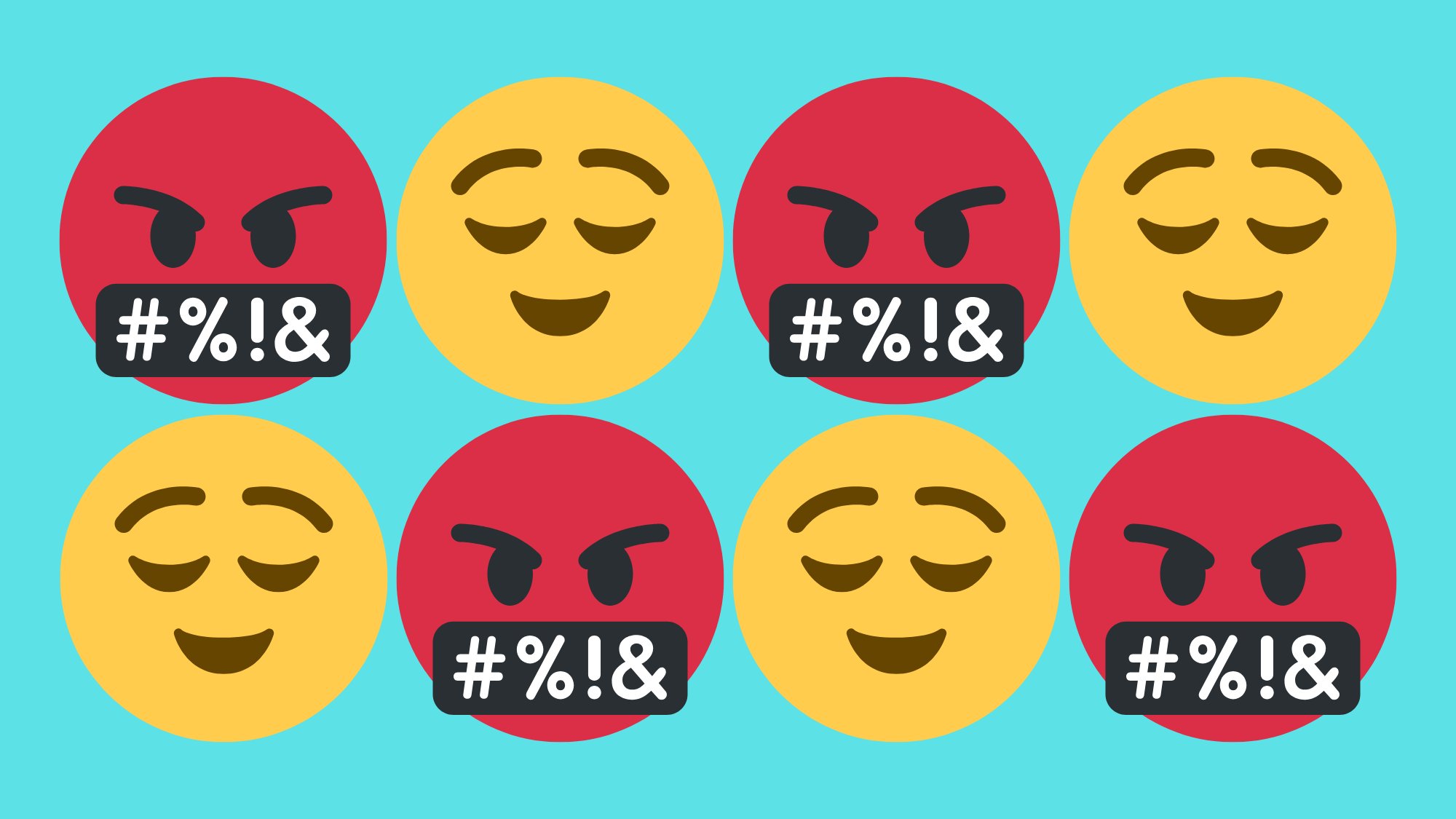
Recent research indicates that cursing can enhance physical performance, improve mood, and boost confidence, suggesting that swearing may have beneficial effects on health and well-being. This finding highlights the potential psychological advantages of using strong language in various contexts, including exercise and emotional expression.
Brie, cheddar, and other high-fat cheeses linked to lower dementia risk
PositiveScience
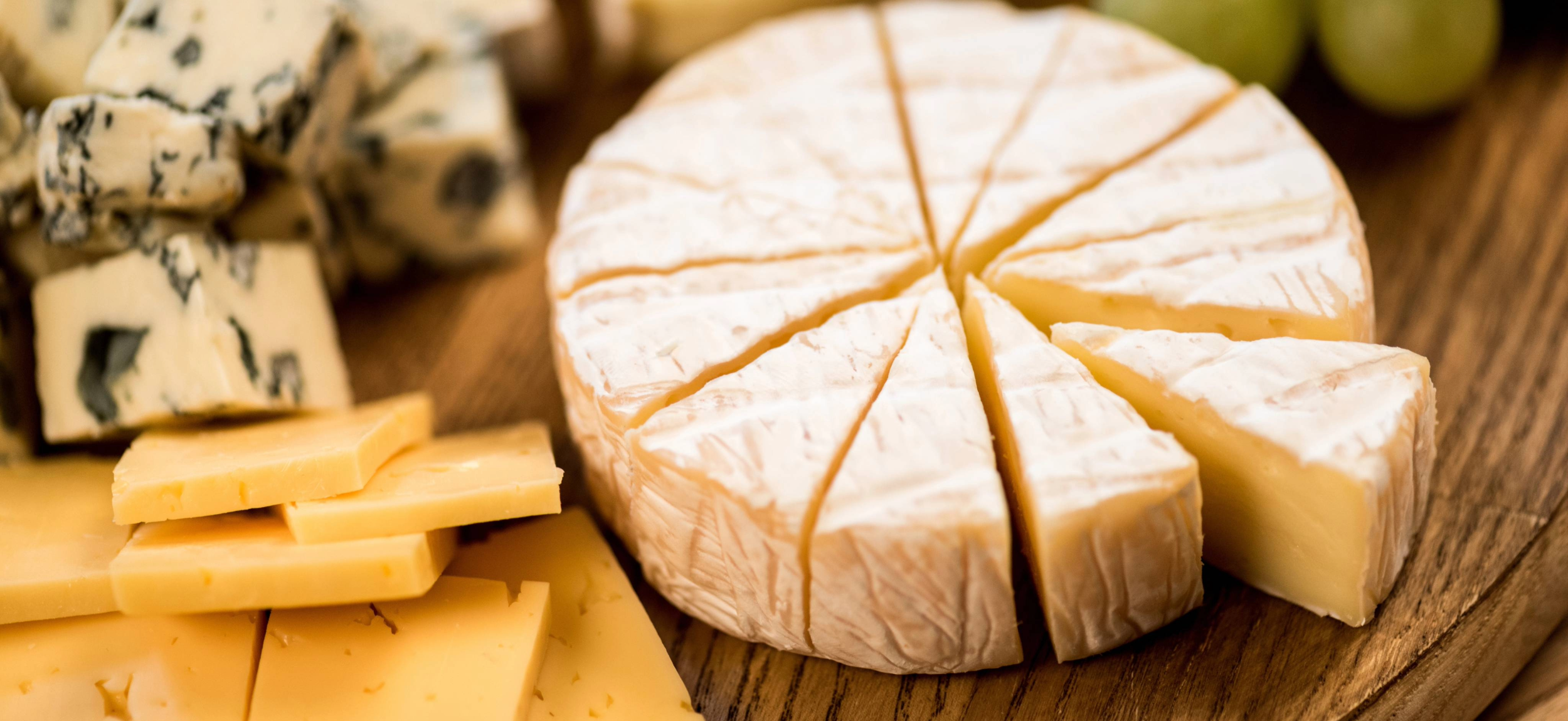
Recent research suggests that high-fat cheeses such as brie and cheddar may be linked to a lower risk of developing dementia. This finding highlights the potential health benefits of including certain types of cheese in the diet.
Two neutron stars may have formed the first known ‘superkilonova’
NeutralScience
Two neutron stars have been identified as the likely progenitors of the first known ‘superkilonova,’ an extraordinary cosmic explosion that occurred 1.3 billion light-years from Earth. This event marks a significant milestone in astrophysics, providing insights into the life cycles of neutron stars and their explosive interactions.
2,500 ‘high-risk’ U.S. dams are sinking into the ground
NegativeScience
Radar technology has revealed that approximately 2,500 dams in the United States, categorized as 'high-risk', are sinking into the ground, indicating potential structural issues that may not be visible during standard inspections.
Rare polar bear adoption could save cub’s life
PositiveScience
A rare polar bear adoption has been observed in Canada, where a cub born into a well-studied population is being cared for by a different mother. This unusual behavior could significantly enhance the cub's chances of survival in the wild, highlighting the complexities of polar bear maternal care.

Ready to build your own newsroom?

Subscribe to unlock a personalised feed, podcasts, newsletters, and notifications tailored to the topics you actually care about