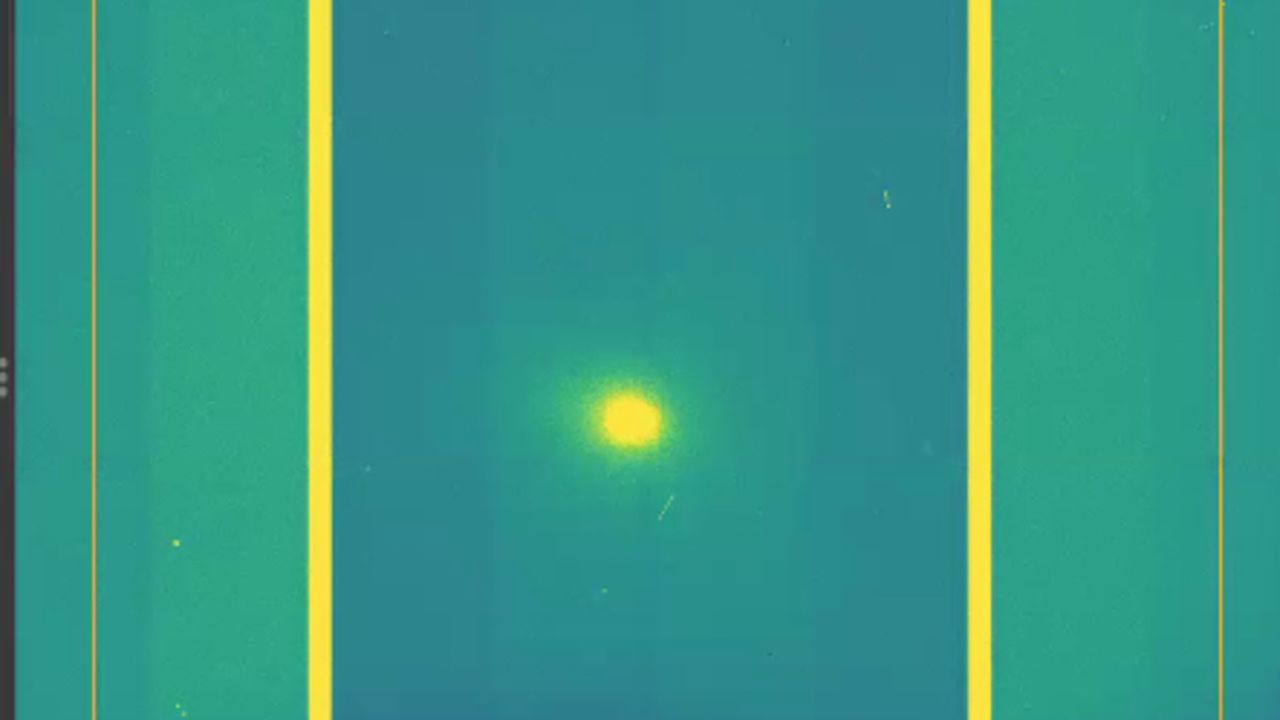
I watched scientists track interstellar comet 3I/ATLAS leaving the solar system in real-time: 'This is some prime-time science'

Space.comTuesday, December 2, 2025 at 1:00:00 PM
PositiveScience
I watched scientists track interstellar comet 3I/ATLAS leaving the solar system in real-time: 'This is some prime-time science'
  • Scientists have successfully tracked the interstellar comet 3I/ATLAS as it departs the solar system, showcasing real
  • The tracking of comet 3I/ATLAS is crucial for understanding the dynamics of celestial bodies beyond our solar system. It offers researchers valuable data that could enhance knowledge about the formation and evolution of comets, as well as the conditions in the early solar system.
  • The ongoing study of comet 3I/ATLAS raises intriguing questions about its origins and composition, particularly as it exhibits unexpected behaviors such as significant water leakage and brightening. These phenomena challenge existing theories about Oort cloud comets and stimulate discussions regarding the potential for extraterrestrial influences on celestial objects.
— via World Pulse Now AI Editorial System
Was this article worth reading? Share it

Recommended apps based on your readingExplore all apps
Continue Readings
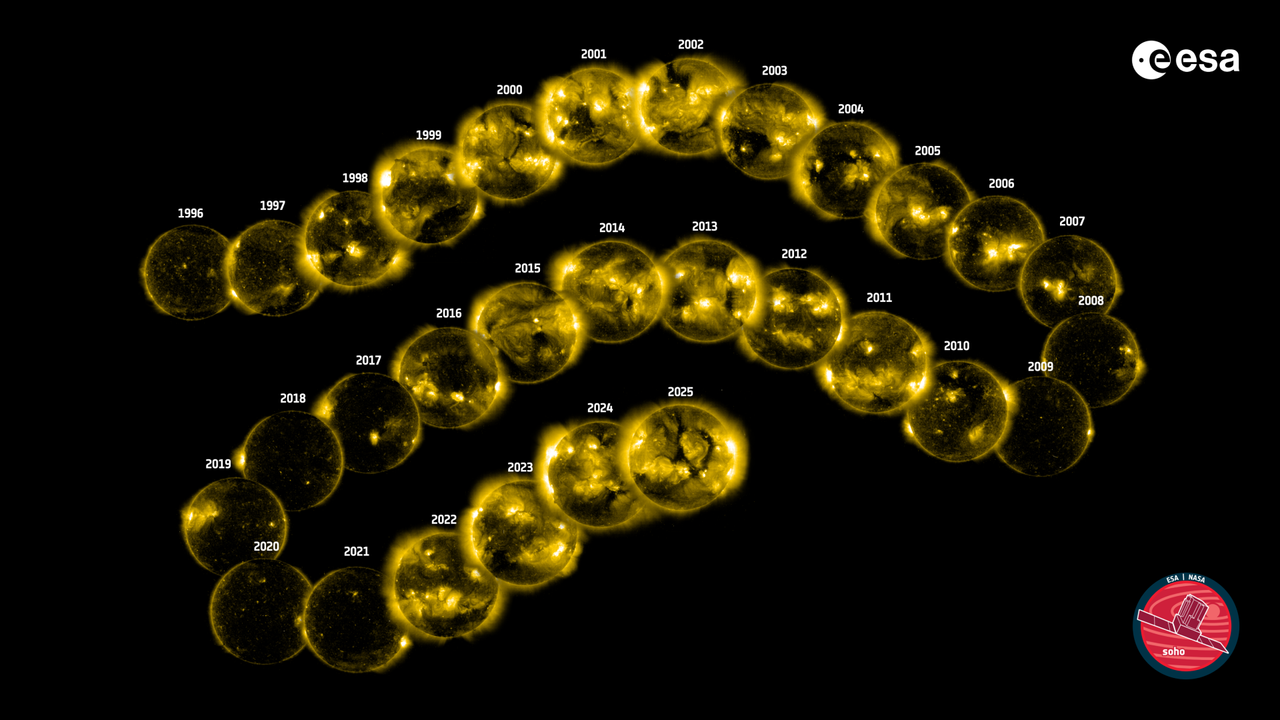
30 years of SOHO staring at the sun | Space photo of the day for Dec. 2, 2025
PositiveScience
This year marks the 30th anniversary of the Solar and Heliospheric Observatory (SOHO), a mission initially intended to last just three years. Since its launch, SOHO has provided invaluable data on solar activity, significantly enhancing our understanding of the sun's behavior and its impact on space weather.
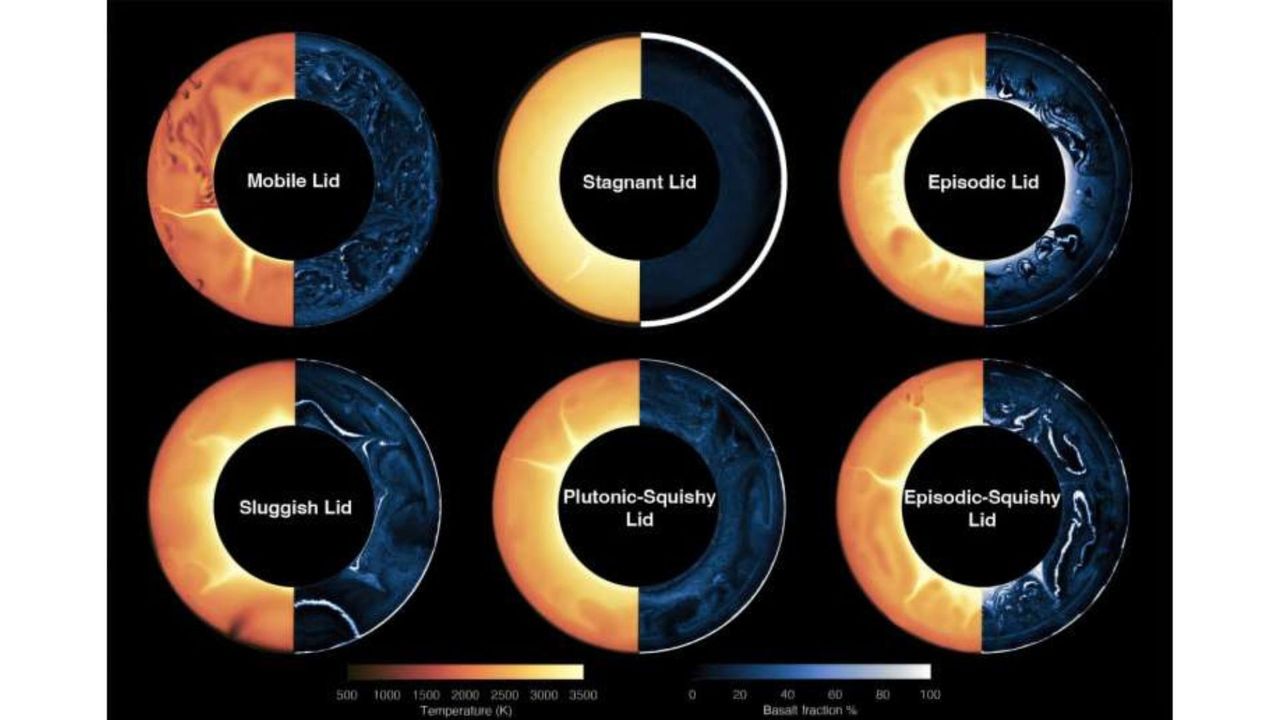
Earth's newfound 'episodic-squishy lid' may guide our search for habitable worlds
NeutralScience
A newly discovered tectonic regime, referred to as Earth's 'episodic-squishy lid,' may provide insights into the dynamic nature of Earth's tectonic plates, contrasting with the stagnant geology of Venus. This finding could reshape our understanding of planetary habitability and tectonic activity.