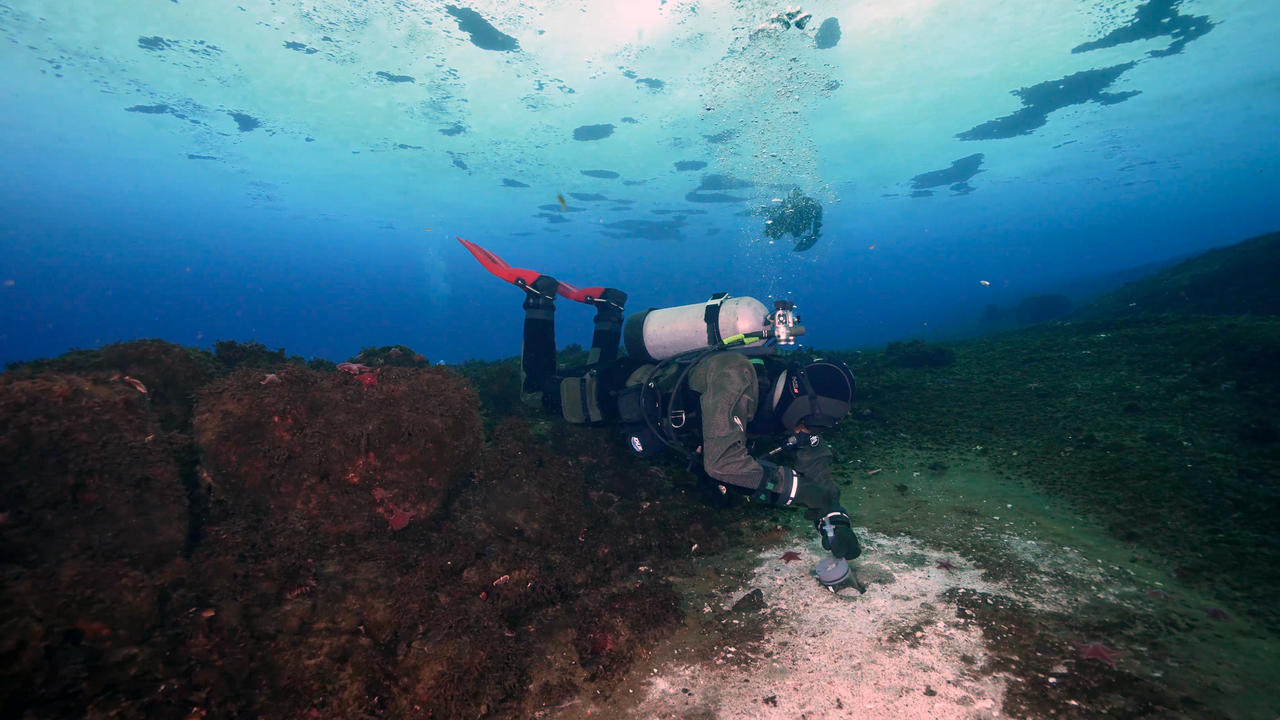
Methane leaks multiplying beneath Antarctic ocean spark fears of climate doom loop

Live ScienceWednesday, October 15, 2025 at 1:00:42 PM
NegativeScience
Methane leaks multiplying beneath Antarctic ocean spark fears of climate doom loop

Methane leaks multiplying beneath Antarctic ocean spark fears of climate doom loop

Recent research has unveiled a troubling increase in methane leaks from the ocean floor in Antarctica's Ross Sea, which could potentially trigger a dangerous feedback loop in climate change. This discovery is alarming because methane is a potent greenhouse gas, and its release could significantly accelerate global warming, impacting ecosystems and weather patterns worldwide.
— via World Pulse Now AI Editorial System
Was this article worth reading? Share it

Recommended Readings
COP30 Begins With U.S. Allies and Rivals Alike Calling for Action
NeutralScience
The COP30 conference has kicked off in Belém, Brazil, with leaders from various nations urging immediate action on climate change. This gathering highlights the stark contrast between the global consensus on the urgency of addressing global warming and the previous stance of President Trump, who dismissed it as a hoax. The discussions are crucial as they set the stage for international cooperation in tackling one of the most pressing issues of our time.
Global warming is forcing Earth's systems toward 'doom loop' tipping points. Can we avoid them?
NegativeScience
Earth is facing critical climate change tipping points that could lead to irreversible damage, often referred to as 'doom loops.' This situation is alarming because it highlights the urgent need for action to mitigate climate change and prevent catastrophic outcomes for our planet and future generations.
How do hurricanes or typhoons form and are they getting stronger?
NeutralScience
Hurricanes and typhoons are powerful tropical storms that are becoming more intense due to global warming. Understanding their formation and increasing strength is crucial as it impacts weather patterns, coastal communities, and disaster preparedness. As climate change continues to affect our planet, recognizing these trends helps us better prepare for future storms.
Analysis Finds Global Warming Made Hurricane Melissa More Damaging
NegativeScience
A recent analysis reveals that climate change significantly intensified Hurricane Melissa, making it more damaging than it would have been otherwise. The storm's rapid growth and increased speed can be attributed to global warming, highlighting the urgent need to address climate issues. This situation is particularly concerning for regions like Jamaica, where communities are still recovering from the storm's impact.
Is the expansion of the universe slowing down?
NeutralScience
Recent research suggests that the universe's expansion may not be accelerating as previously thought. Instead, some scientists propose that it began to slow down 1.5 billion years ago, challenging long-held beliefs about cosmic dynamics. This debate is significant as it could reshape our understanding of fundamental forces in the universe and how they influence cosmic evolution.
New quantum computer is on the path to unravelling superconductivity
PositiveScience
Researchers have made a significant breakthrough in quantum computing with the Helios-1, which has successfully run the largest quantum simulation of a model for perfect conductivity using a record number of error-proof qubits. This advancement not only showcases the potential of quantum technology but also paves the way for deeper understanding and applications in superconductivity, which could revolutionize energy transmission and storage.
Is a robot programmed to prank you annoying? Yes
NegativeScience
A recent discovery by Feedback highlights a robot designed to mimic Turkish ice cream vendors, famous for their playful tricks. However, researchers found that customers are not trusting of this robotic prankster, which raises questions about the effectiveness of such technology in customer interactions. This matters because it reflects broader concerns about trust in automated systems and the potential for miscommunication in service industries.
Toxic algae blighting South Australia could pose a global threat
NegativeScience
Researchers have raised alarms about the toxic alga Karenia cristata, which has devastated marine life in South Australia, killing around a million animals in one of the largest algal blooms recorded. This situation is concerning not just locally but globally, as the spread of such harmful algae could threaten marine ecosystems worldwide. Understanding and addressing this issue is crucial for protecting biodiversity and maintaining healthy oceans.