How Prepared Are ISS Astronauts for Medical Emergencies?

Scientific AmericanFriday, January 9, 2026 at 10:00:00 PM
PositiveScience
  • NASA astronauts undergo extensive training and have access to medical supplies to address various health issues, including dental problems, migraines, and heart attacks, while aboard the International Space Station (ISS). This preparation is crucial for ensuring the well-being of crew members during their missions in orbit.
  • The ability to manage medical emergencies in space highlights NASA's commitment to astronaut health and safety, reflecting the importance of thorough training and resource availability in mitigating risks associated with long-duration spaceflight.
— via World Pulse Now AI Editorial System


Was this article worth reading? Share it

Recommended apps based on your readingExplore all apps
Continue Readings
NASA Begins Astronaut Space Station Medical Evacuation: What to Know
NeutralScience
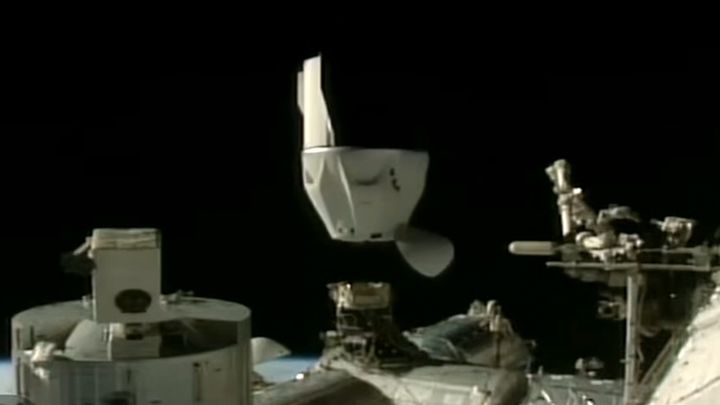
NASA has initiated a medical evacuation for four astronauts from the International Space Station (ISS) due to an undisclosed medical issue affecting one crew member. This evacuation occurs approximately one month earlier than planned, highlighting the challenges of maintaining crew health in space. The astronauts involved include Mike Fincke, Zena Cardman, Oleg Platonov, and Kimiya Yui, who were seen in their Crew Dragon pressure suits on January 9.
Horses Can Smell Your Fear, Bizarre Sweat Study Finds
NeutralScience
A recent study published in Scientific American reveals that horses can detect human fear through scent, as they exhibited increased signs of fear when exposed to cotton pads soaked in the sweat of scared individuals. This finding highlights the sensitivity of horses to human emotional states, suggesting a deeper connection between humans and these animals than previously understood.
NASA X-ray instrument finds black holes act like 'cosmic seesaws' shaping the universe
PositiveScience
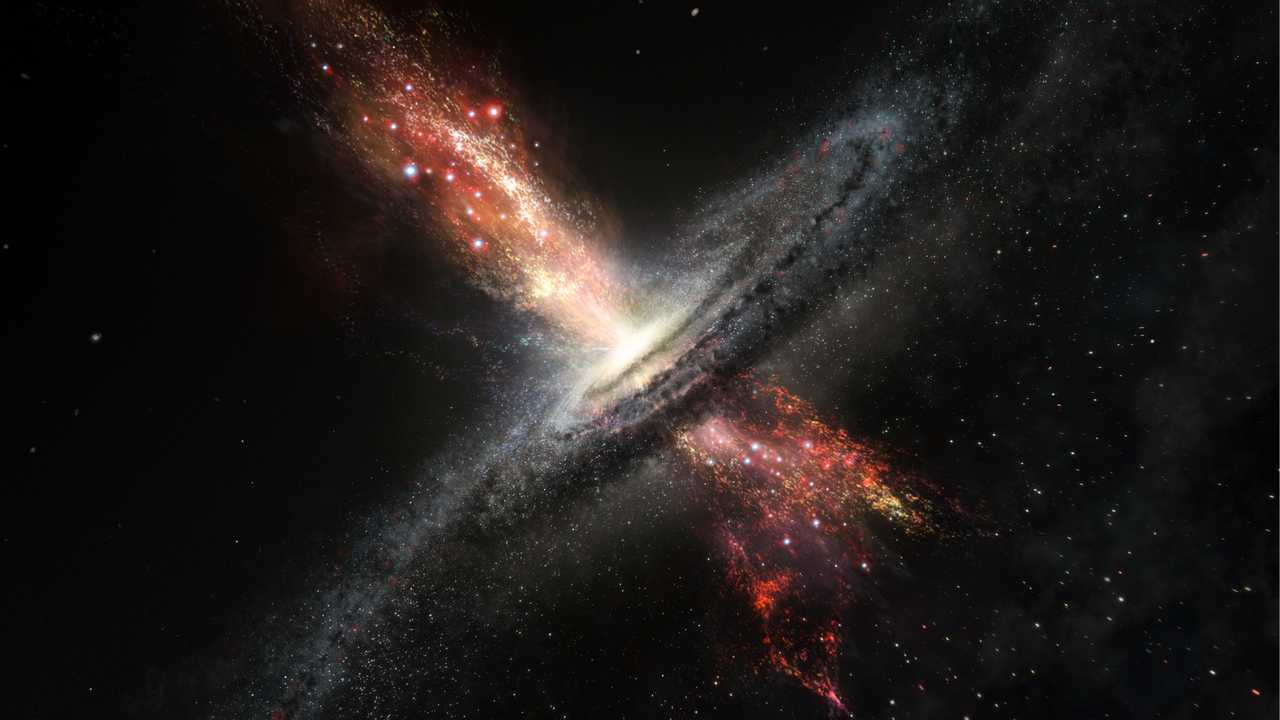
NASA's X-ray instrument has discovered that black holes behave like 'cosmic seesaws,' influencing the dynamics of their accretion flows in a manner described as an energetic tug-of-war. This finding sheds light on the complex interactions occurring within black holes and their surroundings.
NASA Commits to Plan to Build a Nuclear Reactor on the Moon by 2030
PositiveScience
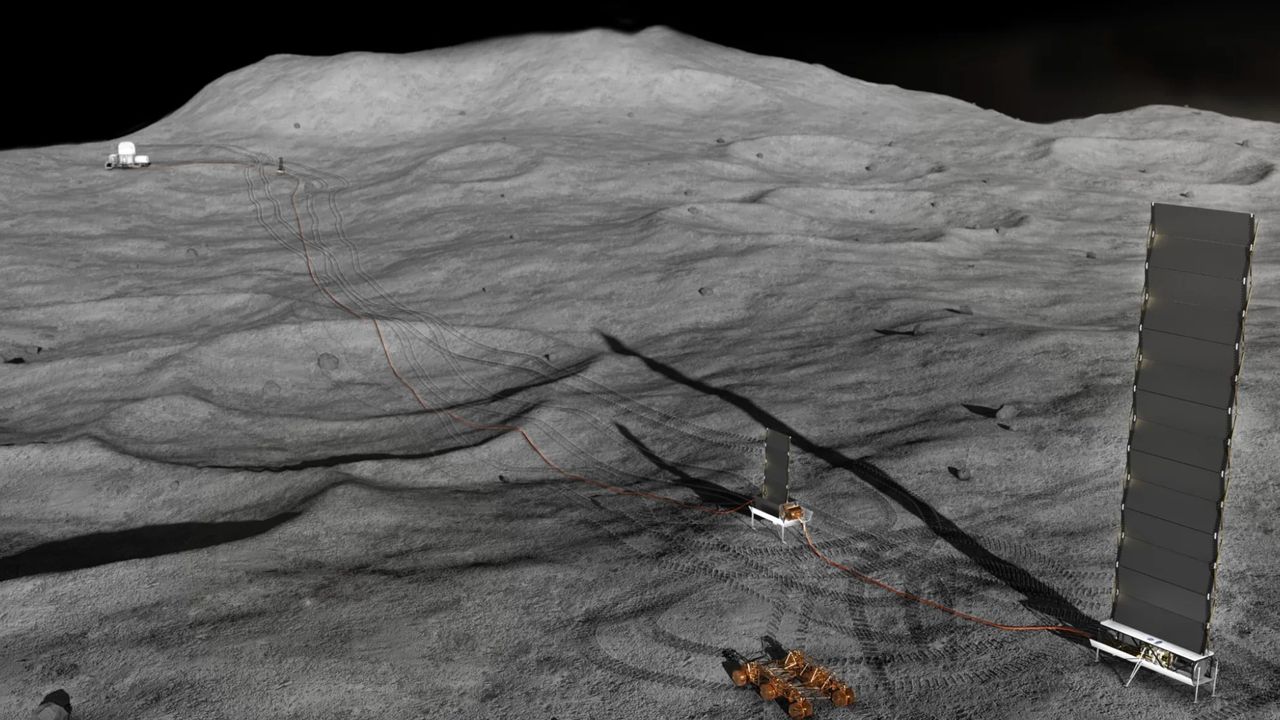
NASA, in collaboration with the Department of Energy, has announced plans to construct a nuclear fission reactor on the Moon by 2030, marking a significant step in lunar exploration and energy sustainability. This initiative aims to support future missions and establish a permanent human presence on the lunar surface.
ISS astronaut medical evacuation latest news: Crew-11 astronauts now returning to Earth
NeutralScience
NASA is returning four astronauts from the International Space Station (ISS) earlier than planned due to a medical concern affecting one of the Crew-11 astronauts. This decision marks the first-ever medical evacuation from the ISS, highlighting the agency's commitment to crew safety. The astronauts are expected to return to Earth soon, following the agency's protocols for such emergencies.
T. rex Never Stopped Growing, Dinosaur Bone Study Suggests
PositiveScience
A recent study suggests that T. rex may have continued to grow throughout its life, indicating that these dinosaurs lived longer than previously believed. This finding is based on new evidence discovered within T. rex bones, which provides insights into their growth patterns and lifespan.
Are Seed Oils Bad for You? Debunking a Viral Social Media Myth
NeutralScience
A food scientist has addressed the growing concerns surrounding seed oils, which have been criticized on social media. The scientist explains that current research does not support the negative claims made about these oils, aiming to clarify misconceptions.
The US really wants a nuclear reactor on the moon by 2030. 'Achieving this future requires harnessing nuclear power,' NASA chief says
PositiveScience
NASA and the U.S. Department of Energy have reaffirmed their commitment to develop a nuclear reactor on the moon by 2030, a significant step in advancing lunar exploration and energy sustainability. This initiative aims to support future missions and enhance the feasibility of long-term human presence on the lunar surface.

Ready to build your own newsroom?

Subscribe to unlock a personalised feed, podcasts, newsletters, and notifications tailored to the topics you actually care about