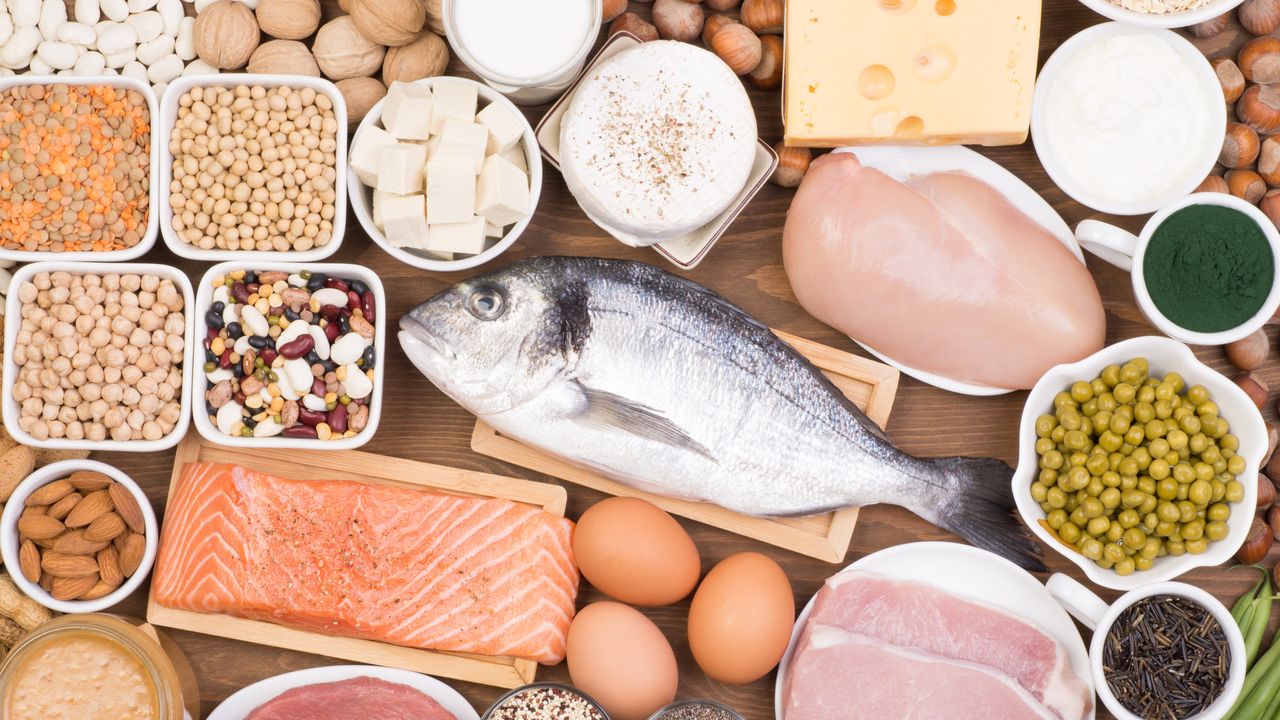
Is there such a thing as 'too much' protein?

Live ScienceTuesday, January 13, 2026 at 12:00:00 PM
NeutralScience
Is there such a thing as 'too much' protein?
  • Daily protein requirements can vary among individuals, but recent discussions with experts suggest that consuming excessive amounts of protein may lead to negative health effects. This insight was reported by Live Science, highlighting the need for a balanced approach to protein intake.
  • Understanding the implications of high protein consumption is crucial for public health, as it may influence dietary guidelines and personal nutrition choices, potentially affecting overall health outcomes for many individuals.
— via World Pulse Now AI Editorial System
Was this article worth reading? Share it

Recommended apps based on your readingExplore all apps
Continue Readings
18 of Earth's biggest river deltas — including the Nile and Amazon — are sinking faster than global sea levels are rising
NegativeScience
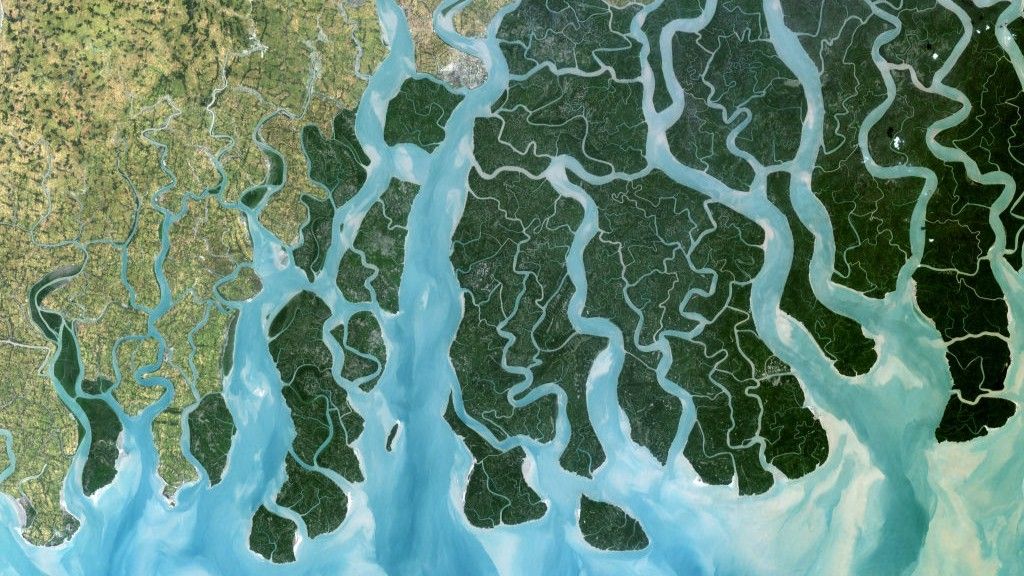
Research indicates that 18 of the world's largest river deltas, including the Nile and Amazon, are sinking at a rate that exceeds the rise in global sea levels. This phenomenon poses a significant threat to millions of residents living in these vulnerable areas, increasing the risk of severe coastal flooding and land loss.
Some objects we thought were planets may actually be tiny black holes from the dawn of time
NeutralScience
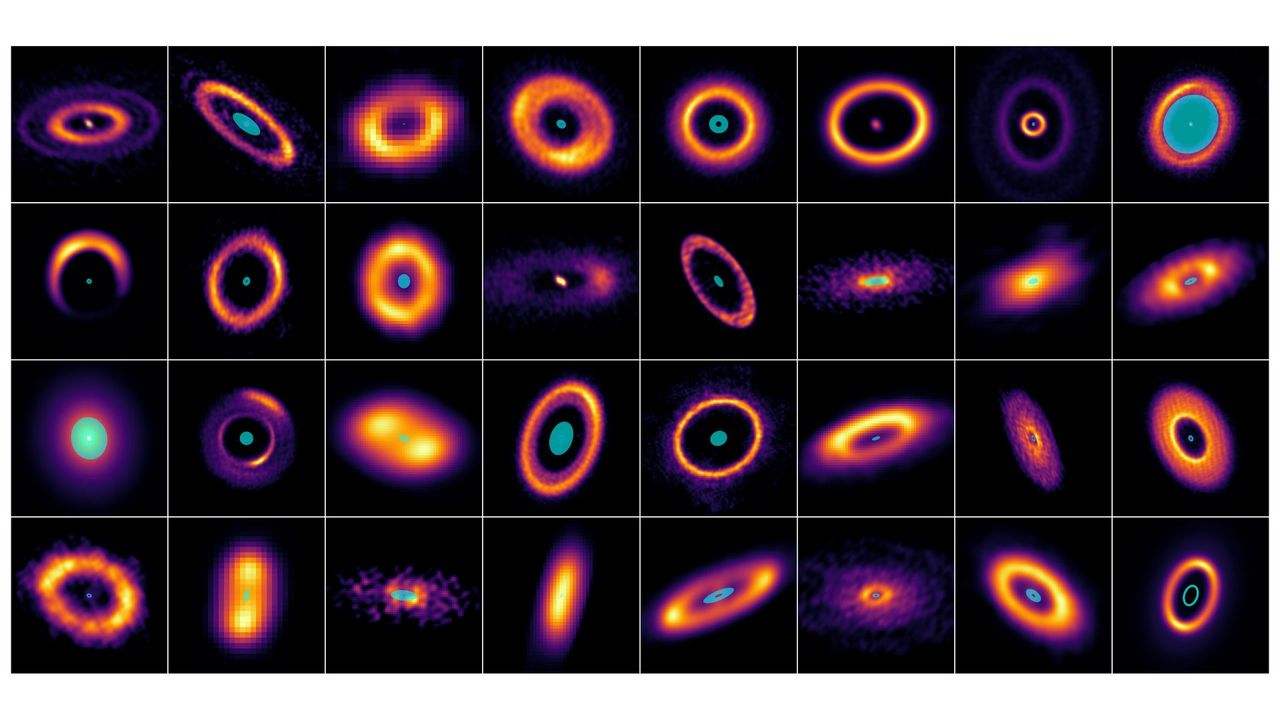
Scientists have proposed that some of the over 6,000 exoplanets identified beyond our solar system may not be planets at all, but rather tiny black holes formed in the early universe. This hypothesis suggests a need to reevaluate how celestial objects are classified and understood.
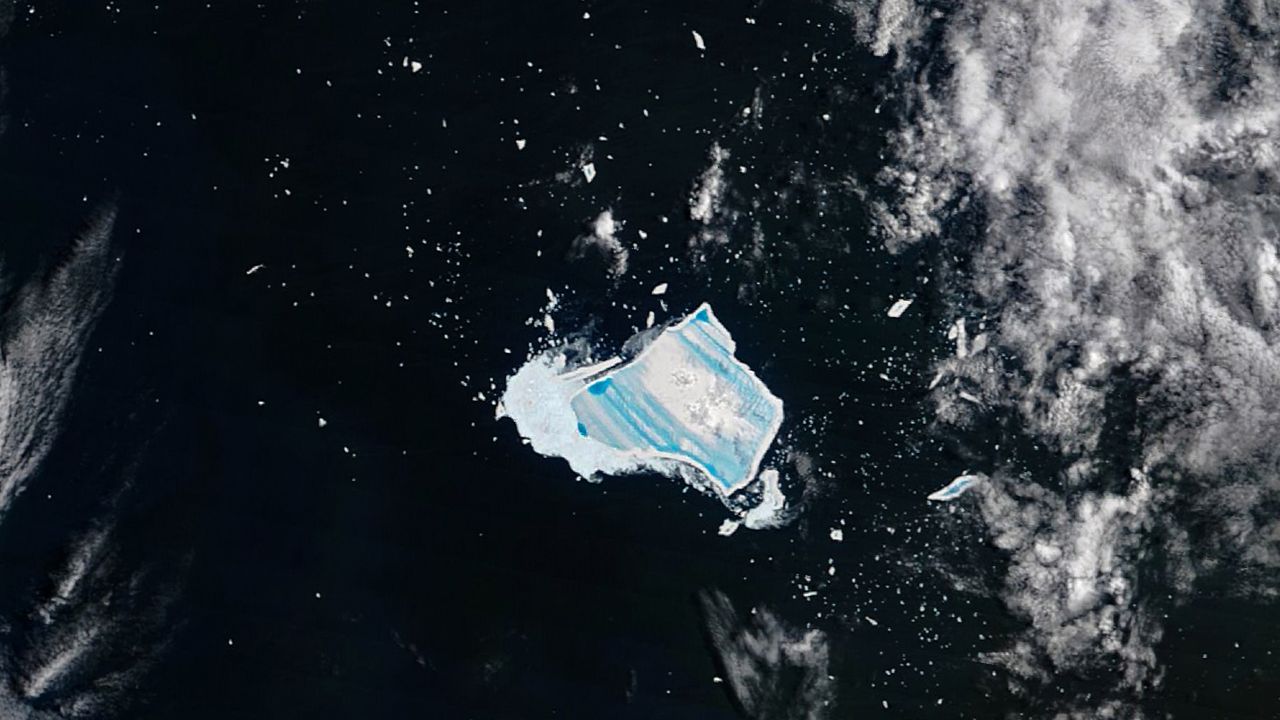
Mega-iceberg A23a, formerly the world's largest, turns into bright 'blue mush' as it finally dies after 40 years at sea
NeutralScience
New satellite images reveal that iceberg A23a, once the largest in the world, has transformed into vibrant blue mush, signaling its imminent disappearance after 40 years adrift in the ocean. This change marks the end of a significant chapter in the iceberg's long journey.
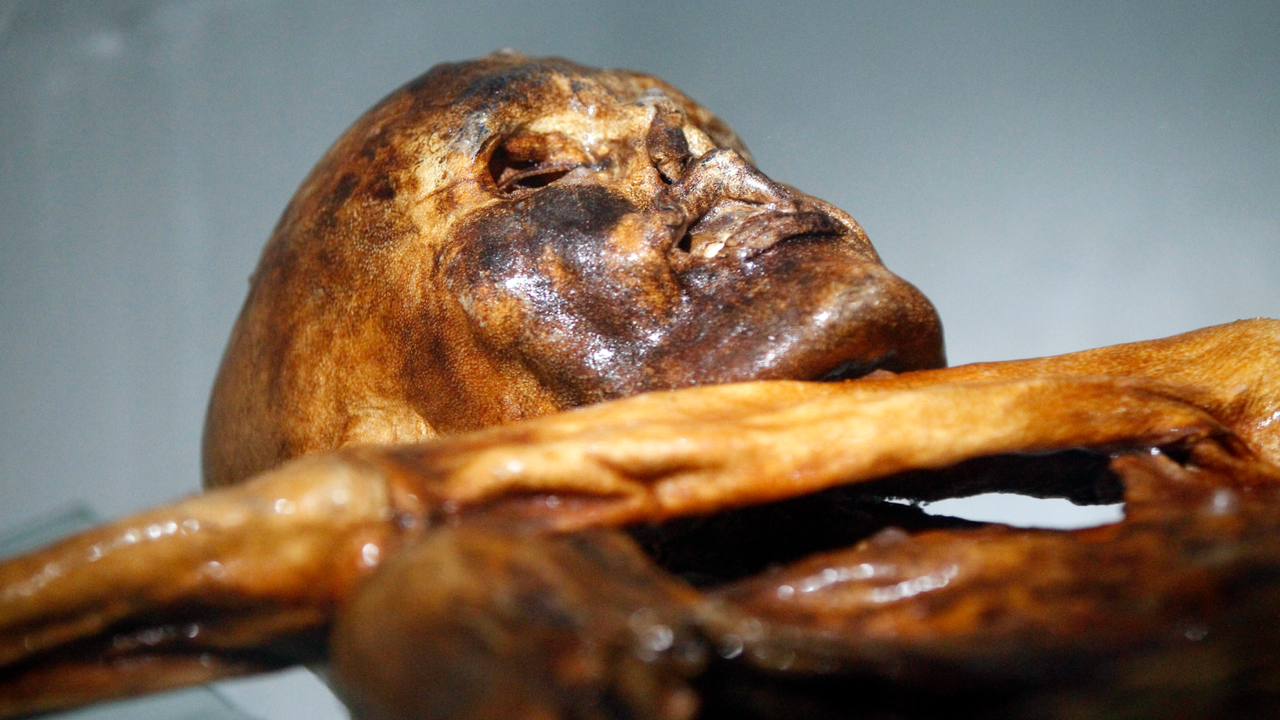
Ötzi the Iceman mummy carried a high-risk strain of HPV, research finds
NeutralScience
Research has revealed that Ötzi the Iceman, a well-known prehistoric mummy, carried a high-risk strain of human papillomavirus (HPV) associated with various cancers. This finding highlights the potential health risks faced by individuals in ancient times, suggesting that HPV may have been present long before modern understanding of the virus.
DNA from ancient viral infections helps embryos develop, mouse study reveals
PositiveScience
A recent study has revealed that a segment of viral DNA integrated into the mouse genome plays a crucial role in the development of early-stage embryos, enabling them to differentiate into various cell types. This discovery highlights the potential evolutionary significance of ancient viral infections in shaping developmental processes.

Ready to build your own newsroom?

Subscribe to unlock a personalised feed, podcasts, newsletters, and notifications tailored to the topics you actually care about