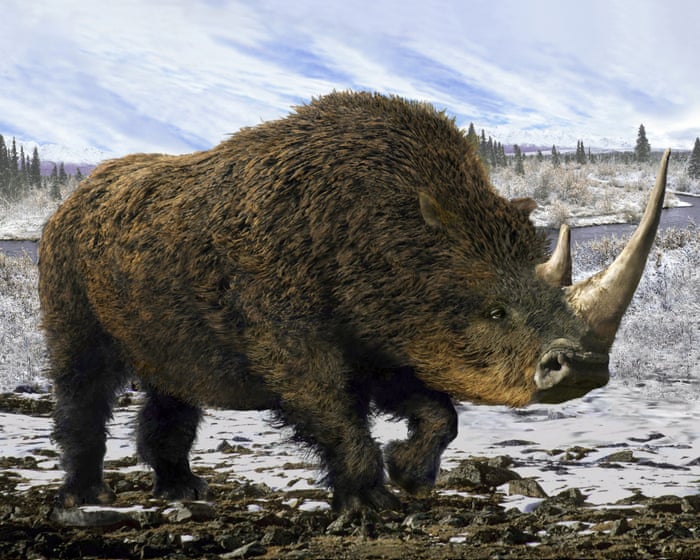
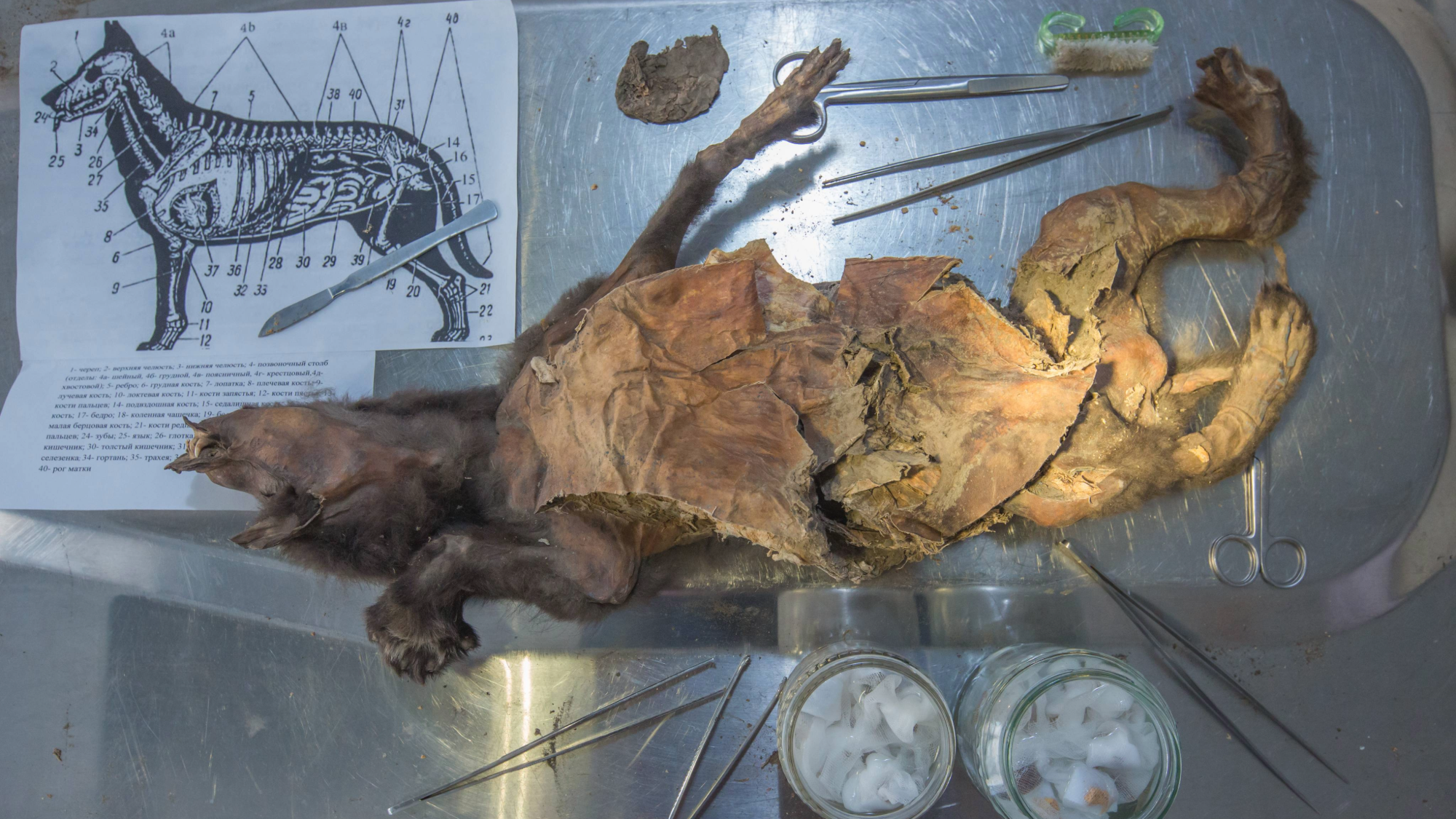
Wolf’s dinner preserved in Siberia for 14,400 years sheds light on woolly rhino

The Guardian – ScienceWednesday, January 14, 2026 at 5:01:36 PM
PositiveScience
Wolf’s dinner preserved in Siberia for 14,400 years sheds light on woolly rhino
  • Researchers have uncovered insights into the woolly rhinoceros by analyzing a mummified wolf cub's stomach contents, revealing a hairy lump of meat that dates back 14,400 years. The remains of the two-month-old female wolf cub were found in Siberia, believed to have perished due to a landslide that collapsed its den.
  • This discovery is significant as it enhances understanding of the extinction events affecting species like the woolly rhinoceros, providing valuable genetic information that could inform studies on ancient ecosystems and climate change impacts.
— via World Pulse Now AI Editorial System

Was this article worth reading? Share it

Recommended apps based on your readingExplore all apps
Continue Readings
Scientists Find Extinct Rhino DNA in Wolf Pup Mummy’s Stomach
PositiveScience
Scientists have successfully sequenced the genome of the woolly rhinoceros, a species that has been extinct for thousands of years, from remains discovered in the stomach of a naturally mummified Pleistocene wolf pup. This significant finding sheds light on the dietary habits and ecological interactions of these ancient species during the Pleistocene epoch.
Woolly rhino genome recovered from meat in frozen wolf pup’s stomach
NeutralScience
Genetic material from a woolly rhinoceros was recovered from the stomach of a mummified wolf pup that lived 14,400 years ago, providing new insights into the extinction of this iconic megafauna species. The discovery was made in Siberia, where researchers analyzed the remains of the two-month-old female wolf cub, revealing a piece of woolly rhino flesh.
14,000-year-old woolly rhinoceros DNA extracted from wolf’s stomach
NeutralScience
Scientists have successfully extracted DNA from a 14,000-year-old woolly rhinoceros found in the stomach of a mummified wolf pup, shedding light on the extinction of this prehistoric species. The discovery was made in Siberia, where the remains of the wolf pup, believed to have lived around 14,400 years ago, were analyzed. This significant finding provides new insights into the diet and ecological interactions of these ancient animals.

Ready to build your own newsroom?

Subscribe to unlock a personalised feed, podcasts, newsletters, and notifications tailored to the topics you actually care about