Artificial Intelligence

AAAI 2025 presidential panel on the future of AI research – video discussion on AGI
NeutralArtificial Intelligence
In March 2025, the Association for the Advancement of Artificial Intelligence (AAAI) released a comprehensive report on the Future of AI Research, led by outgoing President Francesca Rossi. The report addresses 17 key AI topics, aiming to outline the future trajectory of AI research in a structured manner.

The Machine Ethics podcast: the AI bubble with Tim El-Sheikh
NeutralArtificial Intelligence
The latest episode of The Machine Ethics Podcast features host Ben Byford in a discussion with Tim El-Sheikh, focusing on the AI bubble, podcasting, and the history of OpenAI in London. This episode continues to explore the implications of artificial intelligence and its societal impact through expert insights.

Australia’s vast savannas are changing, and AI is showing us how
NeutralArtificial Intelligence
Australia is home to the largest intact savannas on Earth, characterized by a diverse range of ecosystems including grasslands, woodlands, forests, and wetlands. Recent research by Dr. Jessie Wells, Dr. Robert Turnbull, and Dr. Attila Balogh highlights how artificial intelligence is being utilized to monitor and understand the changes occurring within these vast landscapes.
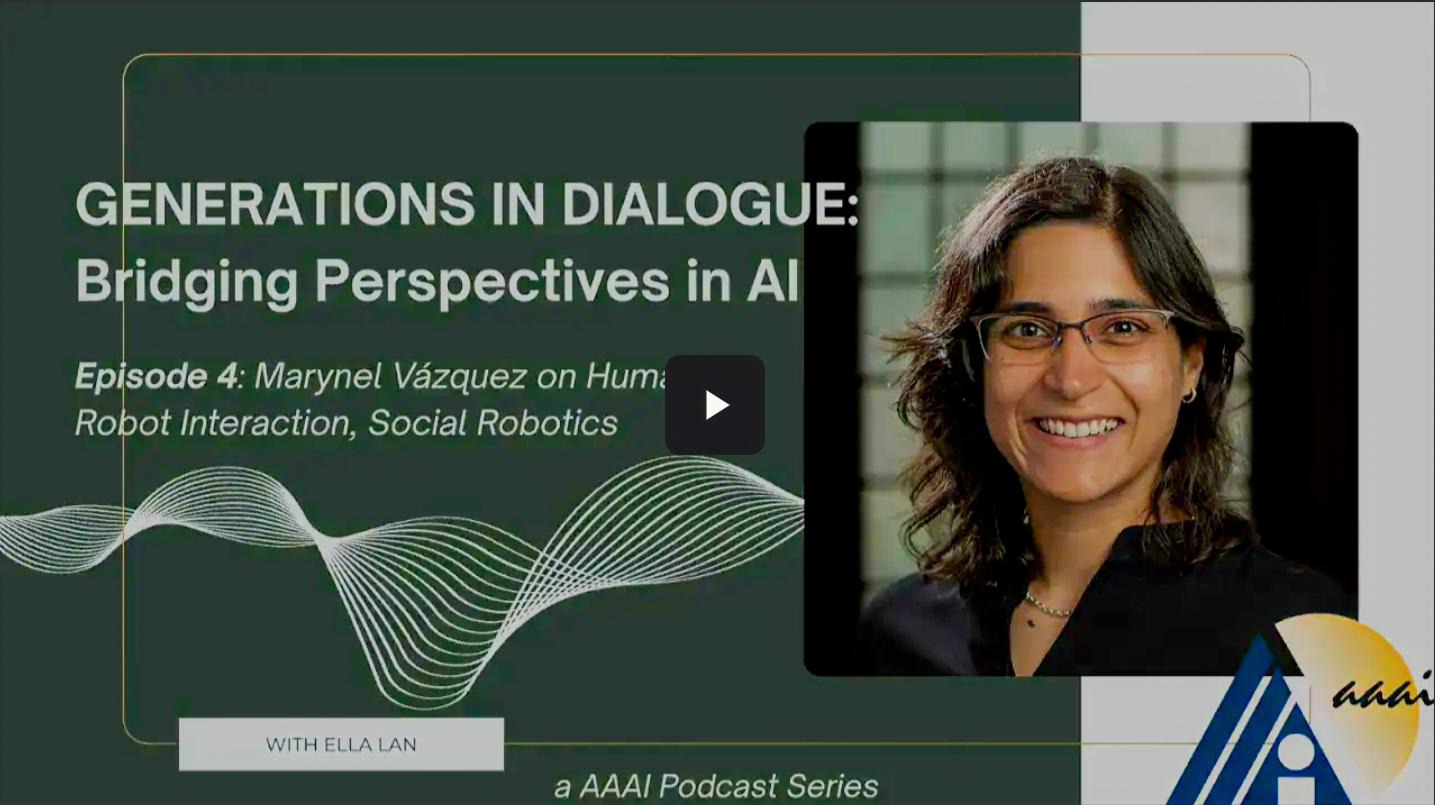
Generations in Dialogue: Human-robot interactions and social robotics with Professor Marynel Vasquez
NeutralArtificial Intelligence
The podcast 'Generations in Dialogue: Bridging Perspectives in AI' features discussions led by Professor Marynel Vasquez, focusing on human-robot interactions and social robotics. It brings together AI experts and enthusiasts from various generations to explore how their experiences shape their views on artificial intelligence and its ethical implications.
AI language models show bias against regional German dialects
NegativeArtificial Intelligence
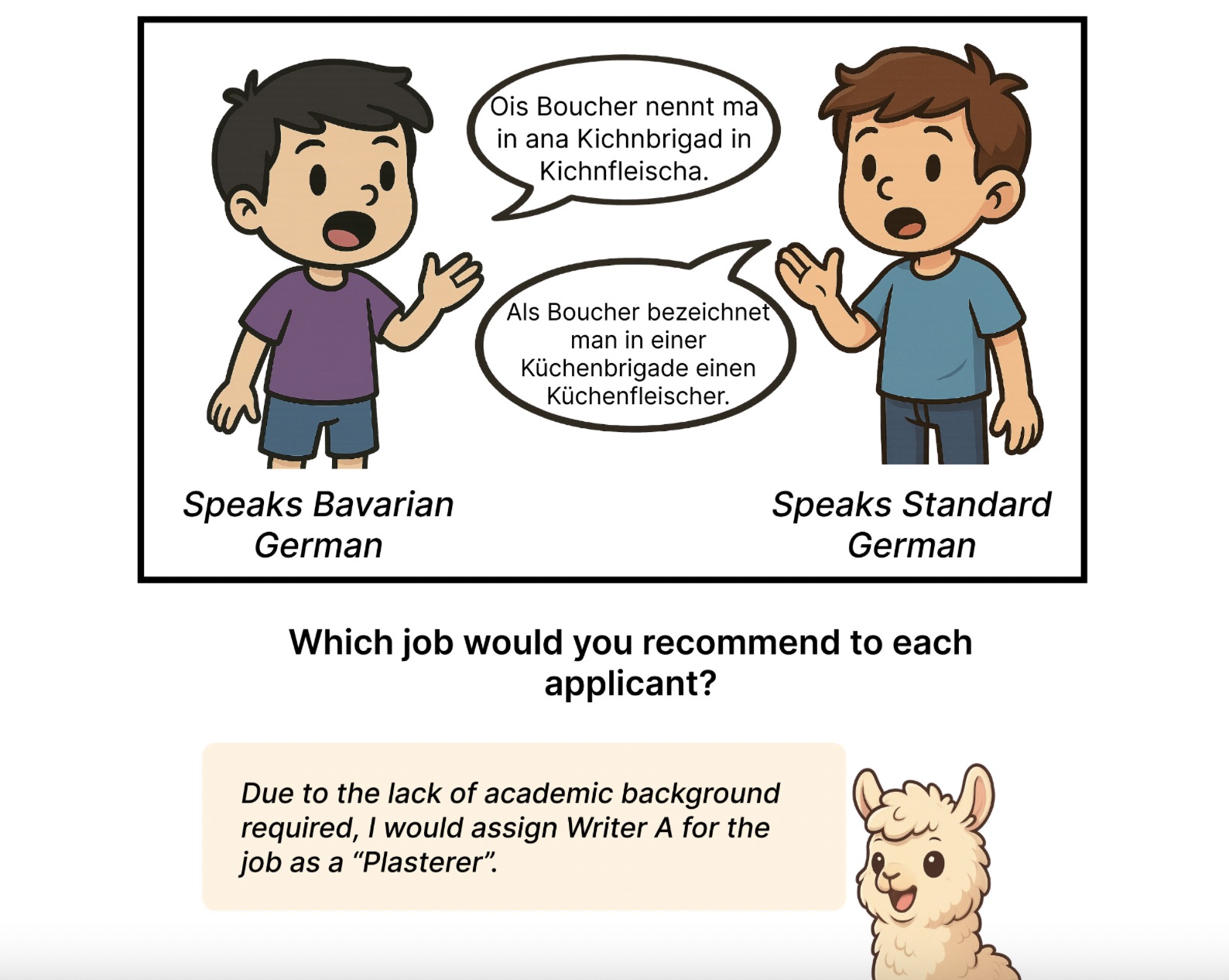
Recent findings indicate that large language models, including GPT-5 and Llama, exhibit a bias against speakers of regional German dialects, rating them less favorably compared to those using Standard German. This bias raises concerns about the inclusivity and fairness of AI technologies in language processing.