Artificial Intelligence
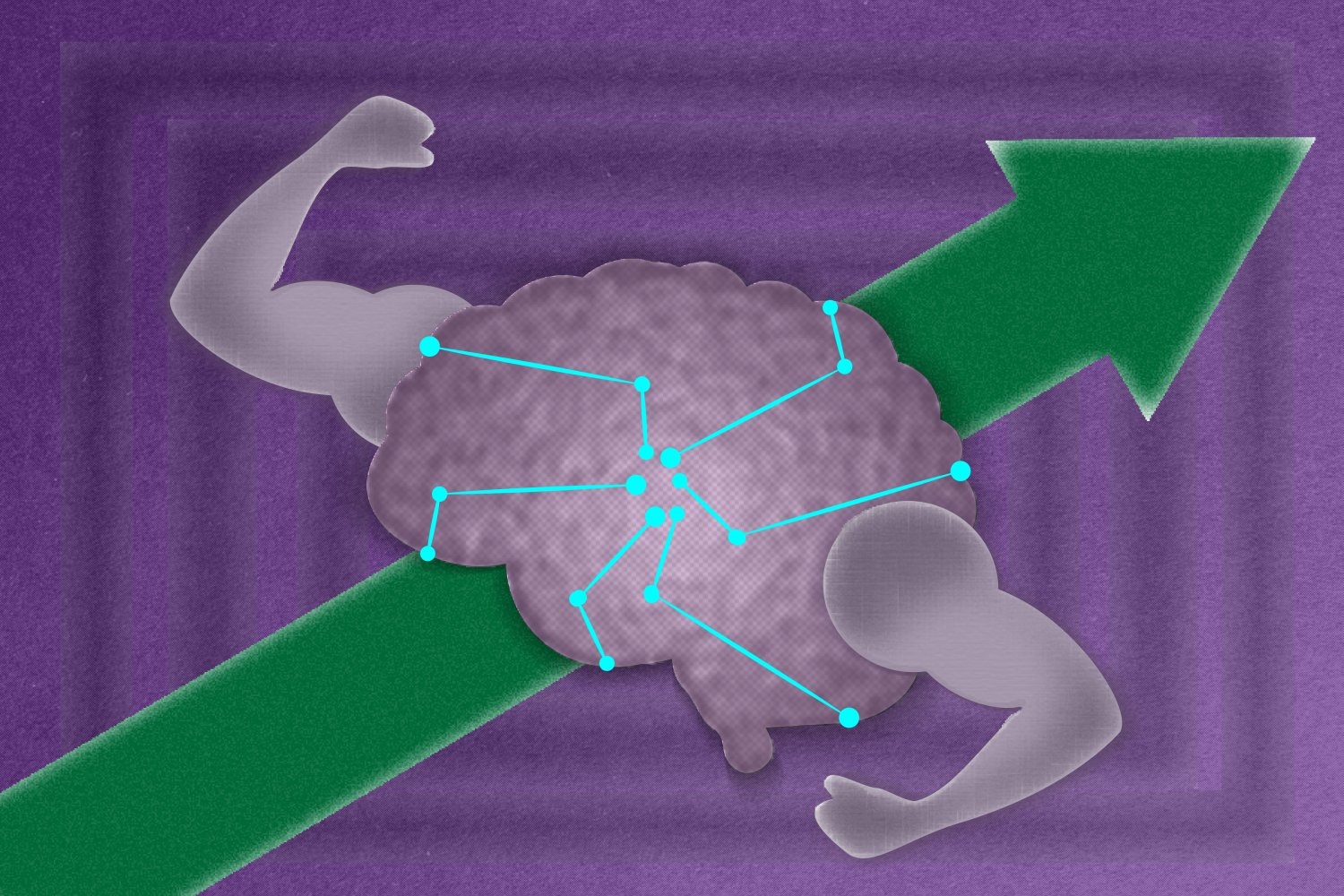
Guided learning lets “untrainable” neural networks realize their potential
PositiveArtificial Intelligence
Researchers at MIT's Computer Science and Artificial Intelligence Laboratory (CSAIL) have discovered that previously deemed 'untrainable' neural networks can learn effectively when guided by another network's inherent biases, utilizing a method known as guidance. This approach allows these networks to align briefly and adapt their learning processes.

A new way to increase the capabilities of large language models
PositiveArtificial Intelligence
Researchers at the MIT-IBM Watson AI Lab have developed a new architecture that enhances the capabilities of large language models (LLMs) by improving state tracking and sequential reasoning over long texts. This advancement aims to address some of the limitations currently faced by LLMs in processing extensive information.

A “scientific sandbox” lets researchers explore the evolution of vision systems
PositiveArtificial Intelligence
Researchers at MIT have developed an AI-powered tool described as a 'scientific sandbox' that allows for the exploration of vision systems' evolution, potentially leading to advancements in sensor and camera design for robots and autonomous vehicles. This innovative approach aims to enhance the capabilities of machines in navigating and interacting with their environments.
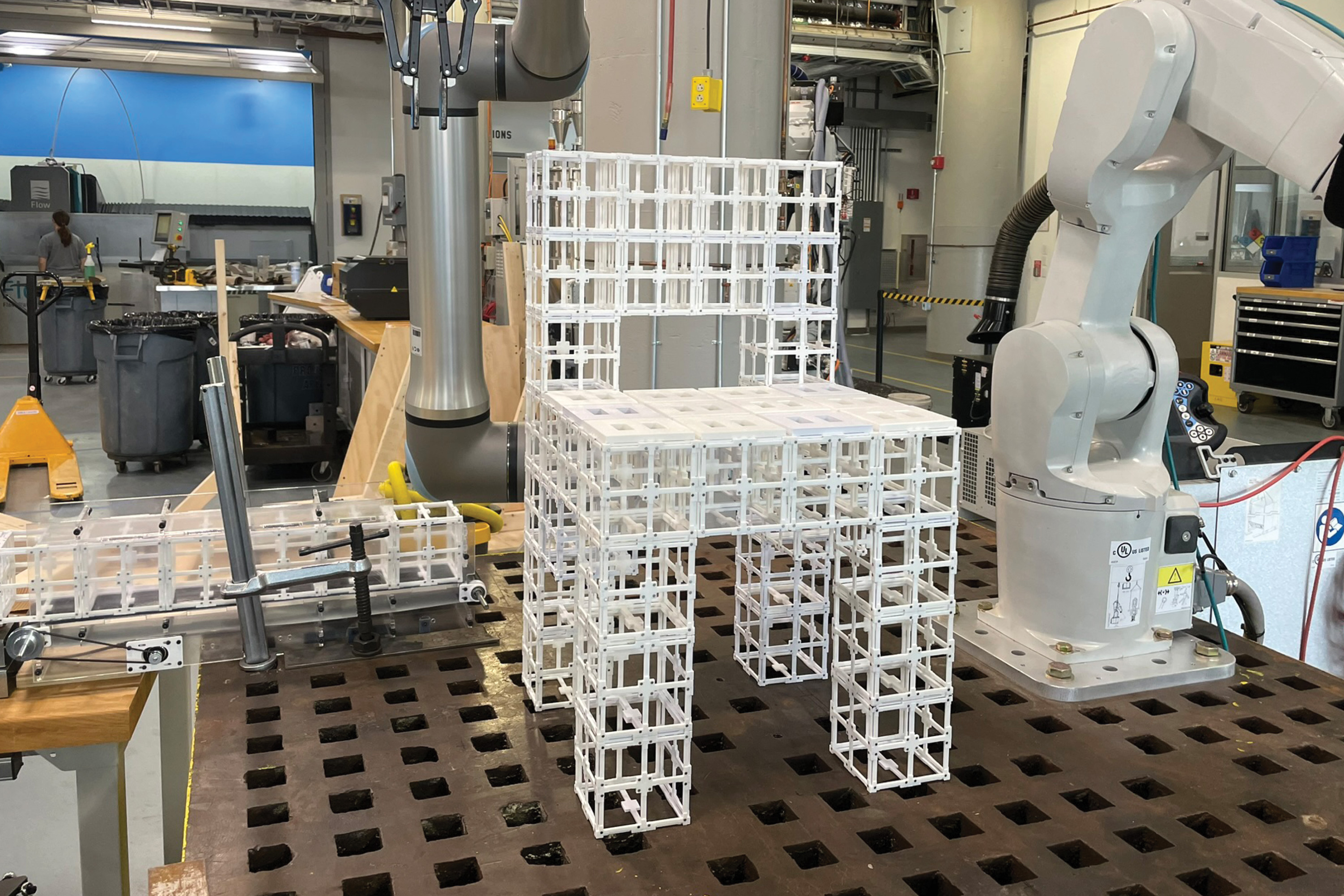
“Robot, make me a chair”
PositiveArtificial Intelligence
An innovative AI-driven system developed by MIT allows users to design and construct simple, multicomponent objects by providing verbal descriptions. This technology simplifies the design process, enabling individuals to create customized items efficiently.

3 Questions: Using computation to study the world’s best single-celled chemists
PositiveArtificial Intelligence
Assistant Professor Yunha Hwang is leveraging microbial genomes to investigate the language of biology, reflecting MIT's commitment to the integration of genetics research and artificial intelligence. This appointment highlights the innovative approaches being taken in the study of single-celled organisms, which are considered some of the best chemists in nature.
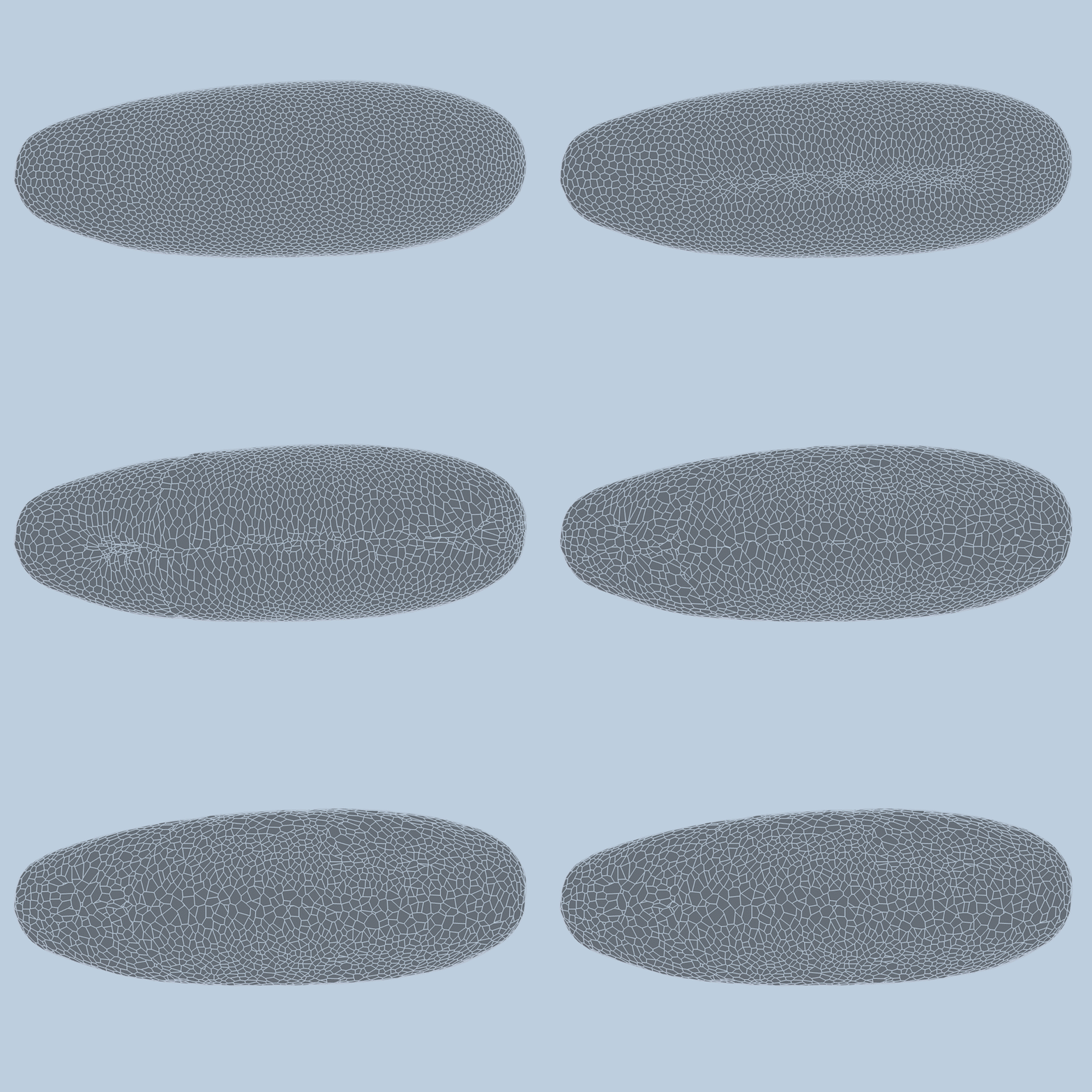
Deep-learning model predicts how fruit flies form, cell by cell
PositiveArtificial Intelligence
Researchers have developed a deep-learning model that predicts the cellular formation of fruit flies, potentially advancing the understanding of tissue and organ development. This innovative approach could lead to identifying early signs of diseases, enhancing biomedical research.

Enabling small language models to solve complex reasoning tasks
PositiveArtificial Intelligence
The DisCIPL system has been developed to enable small language models to collaborate on complex reasoning tasks, such as itinerary planning and budgeting, by directing their efforts through a self-steering mechanism. This innovation aims to enhance the capabilities of smaller models in handling intricate problems that typically require larger models.

New method improves the reliability of statistical estimations
PositiveArtificial Intelligence
MIT researchers have introduced a new method that significantly enhances the reliability of statistical estimations, which is crucial for various scientific fields including economics and public health. This technique aims to provide clearer insights into the trustworthiness of experimental results.