Technology
X to block Grok AI from undressing images of real people
NegativeTechnology
Elon Musk's social media platform X has announced that its Grok AI tool will no longer have the capability to undress images of real people, following significant backlash over its potential to create sexualized content. This decision comes amid growing concerns regarding the ethical implications of AI technologies and their misuse.
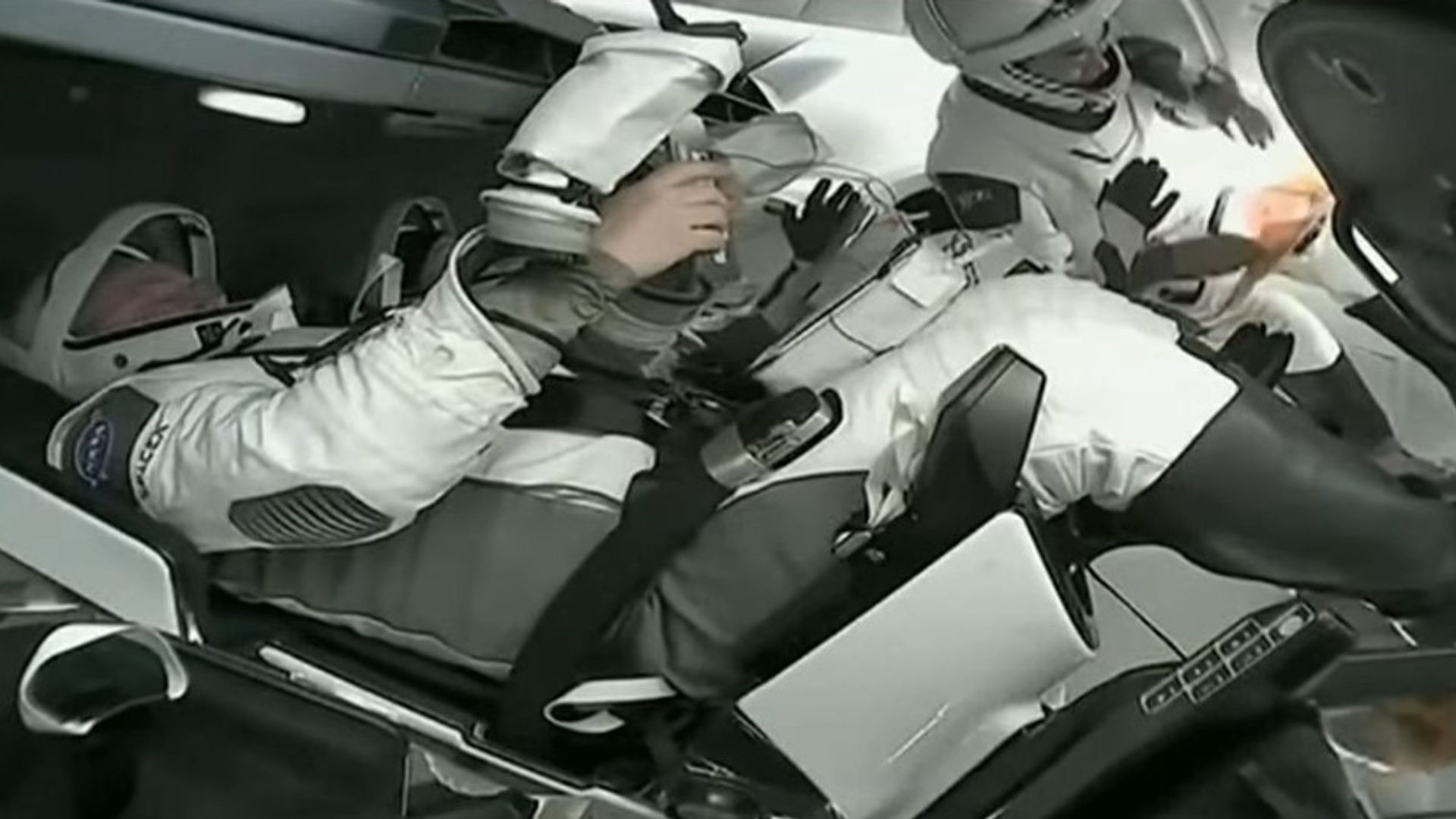
Astronauts evacuate space station over 'serious medical condition'
NegativeTechnology
Four astronauts are preparing for an unexpected evacuation from the International Space Station (ISS) due to a serious medical condition affecting one of the crew members. This decision underscores the inherent risks associated with space missions and the importance of crew health and safety in such extreme environments.
UK 'won't back down' in row with Elon Musk's X over Grok sex images, says PM
NegativeTechnology
The UK government, led by Prime Minister Sir Keir Starmer, has stated it will not relent in its confrontation with Elon Musk's social media platform X regarding the distribution of inappropriate images generated by the Grok AI tool. This stance comes as X attempts to comply with UK safety regulations amid growing scrutiny over its content moderation practices.

Wind power prices up in new offshore contracts as UK moves away from gas
PositiveTechnology
The UK government has announced a significant increase in offshore wind power prices following a record auction, reinforcing its commitment to clean energy and moving away from gas dependency. This development aligns with the country's targets for renewable energy by 2030.
Grok controversy: Everything you need to know about X's sexual AI image scandal
NegativeTechnology
The social media platform X is facing significant backlash following reports that its AI chatbot Grok has enabled users to generate sexual images of women and children, prompting widespread concern over the ethical implications of such technology.
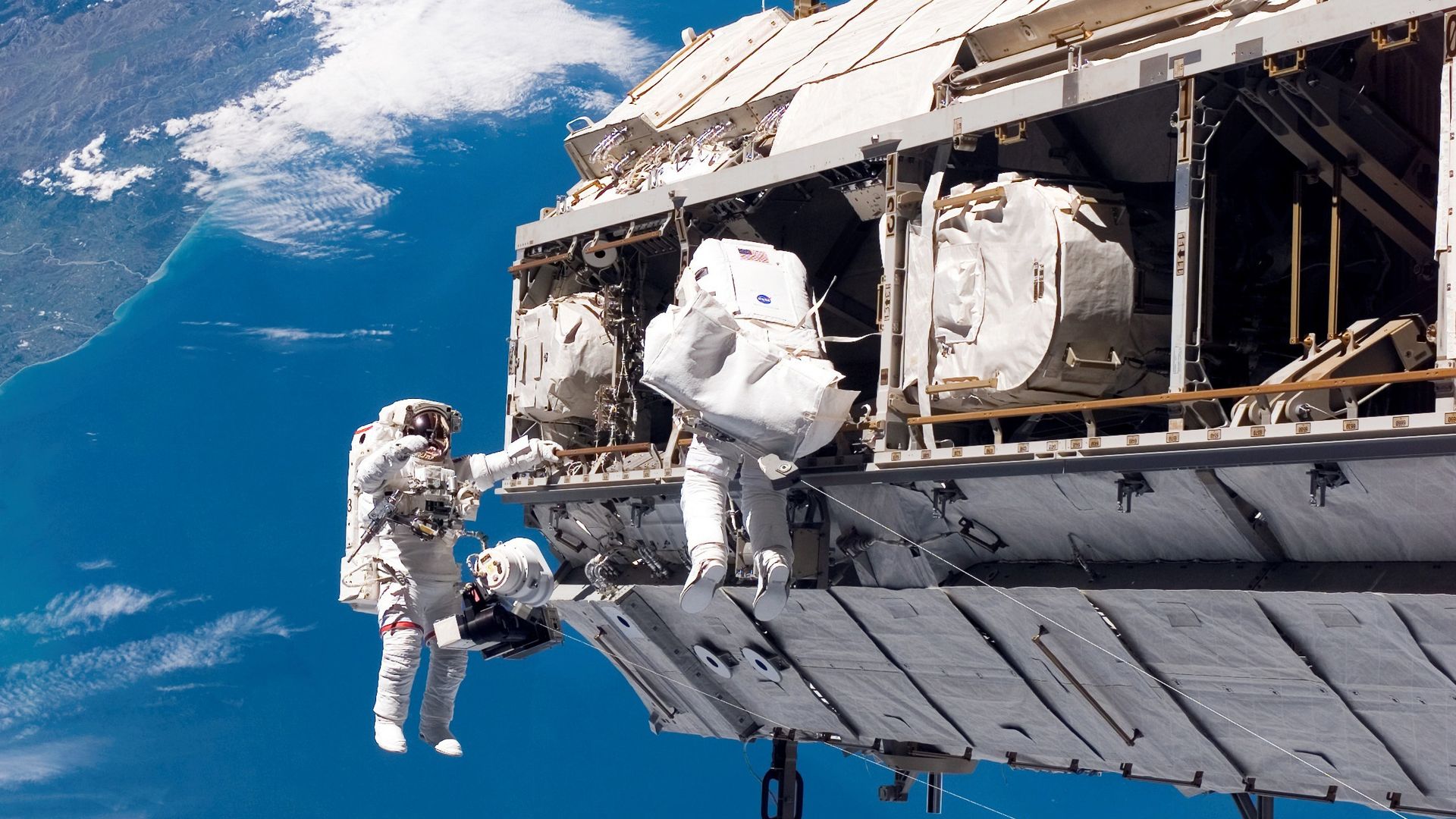
New study finds astronauts' brains change after space travel
NeutralTechnology
New research has revealed that astronauts experience changes in the position and shape of their brains after space travel, highlighting significant health effects associated with extended missions in space. This study underscores the importance of understanding the physiological impacts of microgravity on human health.

Bruno Fernandes's X account hacked
NegativeTechnology
Manchester United captain Bruno Fernandes's X account has been hacked, with a post appearing on Sunday that criticized the club's co-owners, according to the club's statement. This incident raises concerns about the security of high-profile social media accounts and the potential for misinformation to spread under the guise of legitimate voices.
Conservatives pledge to ban social media for under-16s
NegativeTechnology
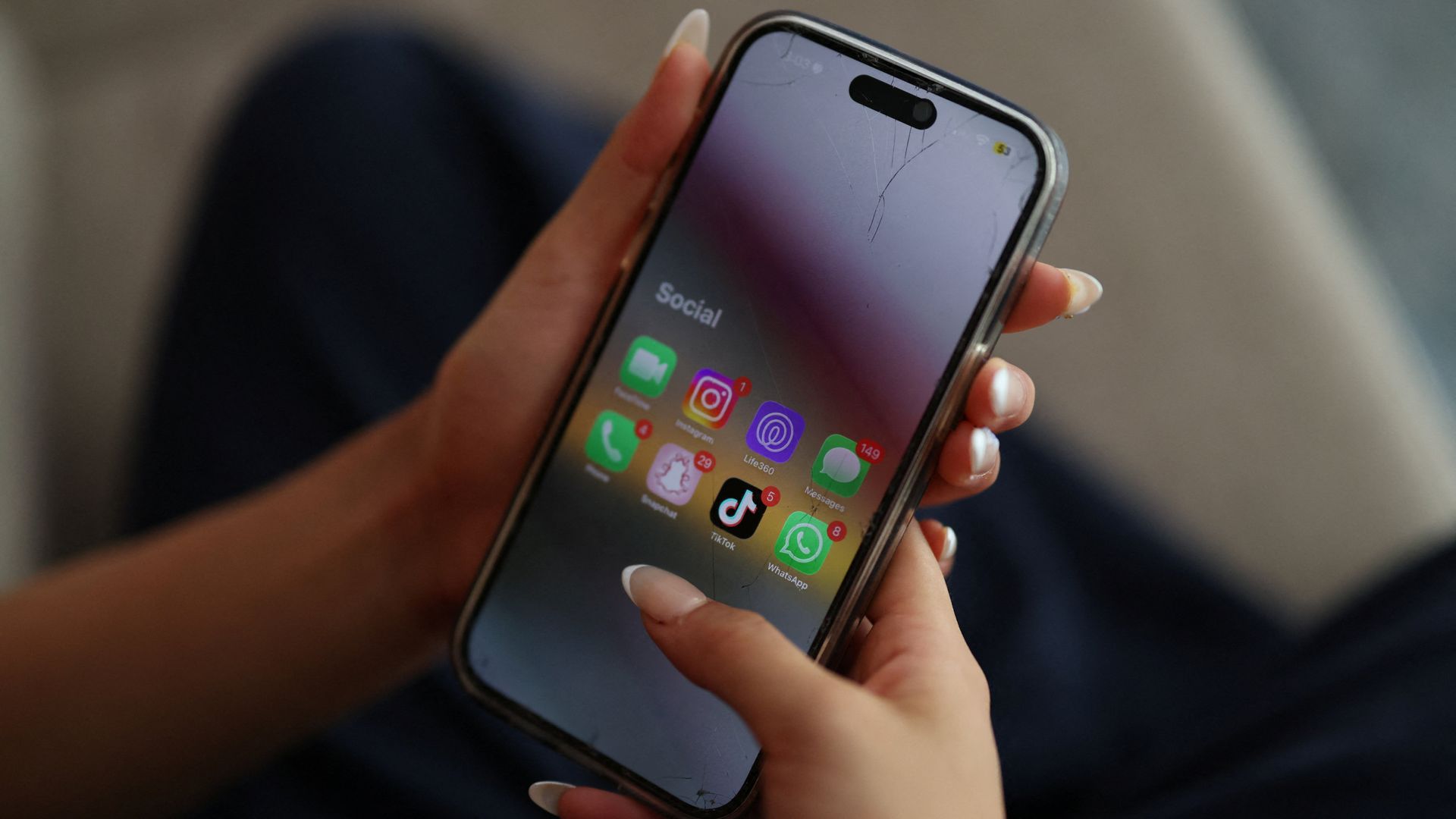
The Conservative Party has announced a proposal to ban social media access for individuals under the age of 16, aiming to enhance online safety for minors. This initiative reflects growing concerns about the impact of social media on youth mental health and well-being.
Gel restores sight to people with untreatable condition, scientists say
PositiveTechnology
Scientists have announced that a commonly used gel has successfully restored sight to individuals suffering from a rare and untreatable condition that leads to blindness. This breakthrough highlights the potential of innovative treatments in addressing previously hopeless medical conditions.