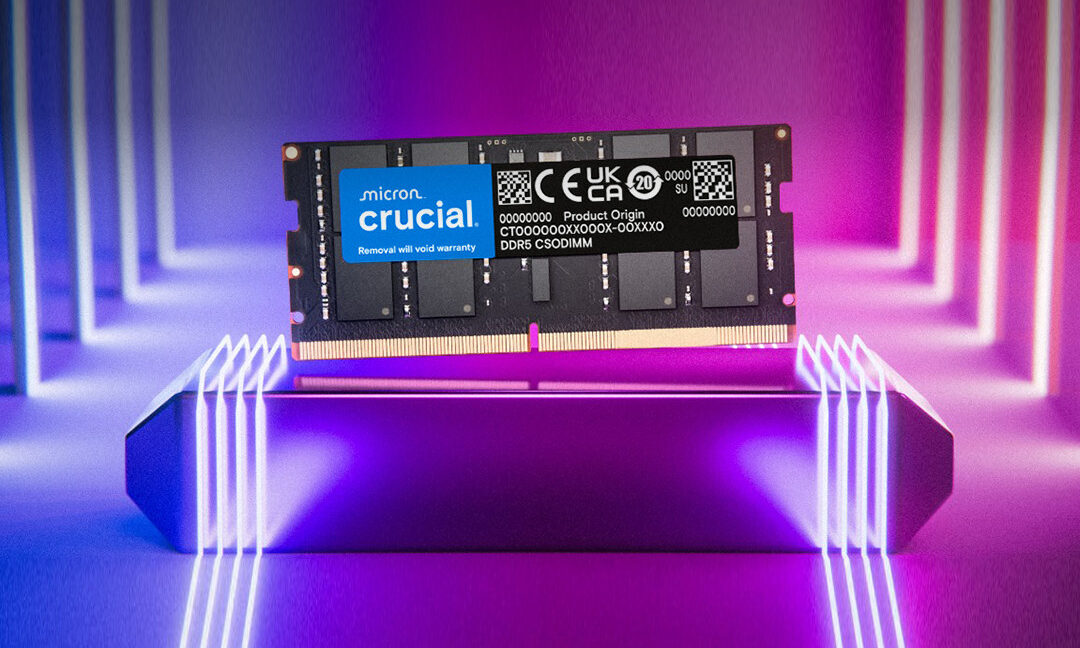
After nearly 30 years, Crucial will stop selling RAM to consumers

Ars TechnicaWednesday, December 3, 2025 at 7:48:47 PM
NegativeTechnology
After nearly 30 years, Crucial will stop selling RAM to consumers
  • Micron Technology has announced that its Crucial brand will cease selling RAM to consumers after nearly 30 years, citing increased demand for memory driven by artificial intelligence (AI) data centers as the primary reason for this strategic shift.
  • This decision marks a significant change for Crucial, which has been a prominent player in the consumer RAM market. The exit from this segment reflects ongoing challenges in the memory product market and may limit consumer access to affordable memory solutions in the future.
  • The move underscores a broader trend where hardware manufacturers are struggling to keep pace with the rapid advancements in AI technology, leading to increased RAM prices and a shift in focus towards enterprise-level solutions rather than consumer products.
— via World Pulse Now AI Editorial System
Was this article worth reading? Share it

Recommended apps based on your readingExplore all apps
Continue Readings
Maximum-severity vulnerability threatens 6% of all websites
NegativeTechnology
A maximum-severity vulnerability has been discovered in the open-source React framework, which allows the execution of malicious code through malformed HTML without requiring authentication. This issue poses a significant threat to approximately 6% of all websites utilizing React.
Republicans drop Trump-ordered block on state AI laws from defense bill
PositiveTechnology
Republicans have decided to remove a block on state-level artificial intelligence (AI) laws that was previously ordered by former President Donald Trump from the defense bill. This decision reflects a significant shift in the party's stance on AI governance, allowing states to implement their own regulations without federal interference.
Anthropic CEO Says Some Tech Firms Too Risky With AI Spending
NegativeTechnology
Anthropic PBC CEO Dario Amodei has raised concerns that some technology firms are taking excessive risks by committing to substantial investments in artificial intelligence, potentially amounting to hundreds of billions of dollars. This warning highlights the precarious nature of AI spending in the tech industry.
Crucial is a casualty of AI's hunger for RAM
NeutralTechnology
Crucial has become a casualty of the increasing demand for RAM driven by artificial intelligence (AI), highlighting the challenges faced by hardware manufacturers in keeping up with the rapid advancements in AI technology. As AI applications grow, the need for more memory resources intensifies, impacting companies like Crucial that supply these essential components.
Prime Video pulls eerily emotionless AI-generated anime dubs after complaints
NegativeTechnology
Prime Video has decided to remove its AI-generated anime dubs following complaints about their lack of emotional depth, with some viewers noting that better dubbing options were already available. This decision reflects the growing concerns regarding the quality of AI-generated content in the entertainment industry.
Micron Announces Exit from Crucial Consumer Business
NegativeTechnology
Micron Technology has announced its exit from the consumer business segment, a decision that reflects ongoing challenges in the market for memory products. This move is expected to impact the availability of consumer-oriented memory solutions, which have been a significant part of the company's portfolio.
Fraudulent gambling network may actually be something more nefarious
NegativeTechnology
Researchers have uncovered a fraudulent gambling network that has been operating for 14 years, suggesting that its activities may extend beyond mere gambling into more serious criminal undertakings. The investigation raises concerns about the scale and implications of such networks in the digital age.
Planned satellite constellations may swamp future orbiting telescopes
NegativeTechnology
Planned satellite constellations are set to significantly interfere with future orbital observatories, as these satellites will cross nearly all images captured by telescopes. This development raises concerns about the viability of astronomical observations in the coming years.