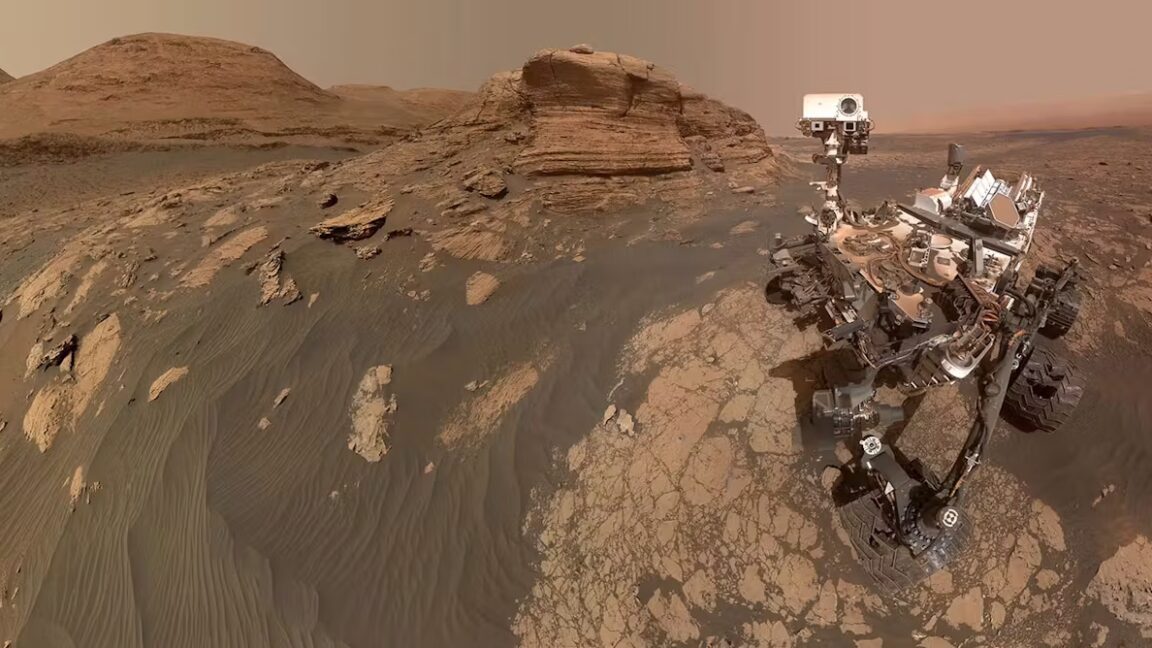
In a major new report, scientists build rationale for sending astronauts to Mars

Ars TechnicaTuesday, December 9, 2025 at 4:00:25 PM
PositiveTechnology
In a major new report, scientists build rationale for sending astronauts to Mars
  • A major new report has been released by scientists advocating for the sending of astronauts to Mars, emphasizing the feasibility and potential benefits of such missions. This report has generated significant excitement and inspiration within the scientific community and beyond, as it marks a pivotal step towards human exploration of the Red Planet.
  • The rationale for sending astronauts to Mars is grounded in recent scientific discoveries, including the detection of lightning and potential biosignatures, which suggest a more complex and dynamic Martian environment than previously understood. These findings could enhance the prospects for future human missions and the search for life.
  • This development aligns with ongoing efforts by NASA and other space agencies to explore Mars, as well as the challenges of sustaining human life during long-duration space missions. The advancements in understanding Mars' atmosphere and potential resources, such as new methods for protein production, highlight the growing interest in establishing a human presence on the planet and the broader implications for space exploration.
— via World Pulse Now AI Editorial System

Was this article worth reading? Share it

Recommended apps based on your readingExplore all apps
Continue Readings
Neuroscientists Decipher Procrastination: A Brain Mechanism Explains Why People Leave Certain Tasks for Later
NeutralTechnology
New research by neuroscientists has identified a neural circuit that may explain the phenomenon of procrastination, revealing how certain tasks are often postponed. The study demonstrated that this connection could be disrupted using a specific drug, providing insights into the underlying mechanisms of procrastination.
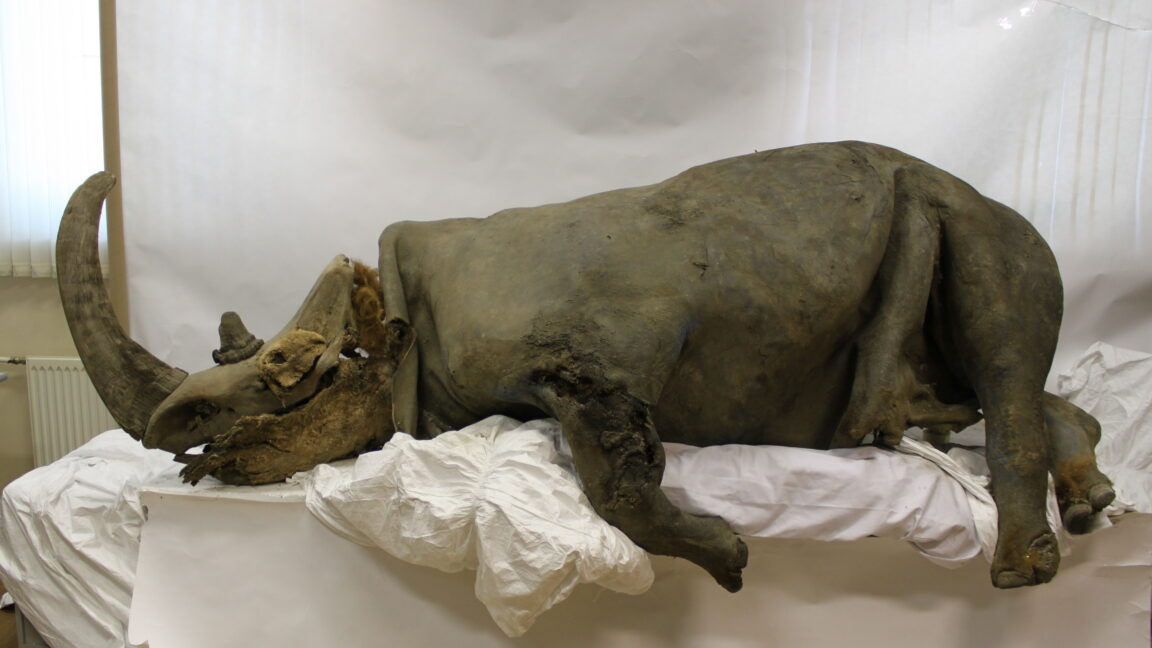
Scientists sequence a woolly rhino genome from a 14,400-year-old wolf’s stomach
NeutralTechnology
Scientists have successfully sequenced the genome of a woolly rhino from the stomach contents of a 14,400-year-old wolf, revealing insights into the ancient species. This remarkable achievement highlights the potential of paleogenetics in studying extinct animals through preserved biological materials found in predators' remains.

Ready to build your own newsroom?

Subscribe to unlock a personalised feed, podcasts, newsletters, and notifications tailored to the topics you actually care about