Google Says First AI Glasses With Gemini Will Arrive in 2026

Bloomberg TechnologyMonday, December 8, 2025 at 6:00:38 PM
PositiveTechnology
Google Says First AI Glasses With Gemini Will Arrive in 2026
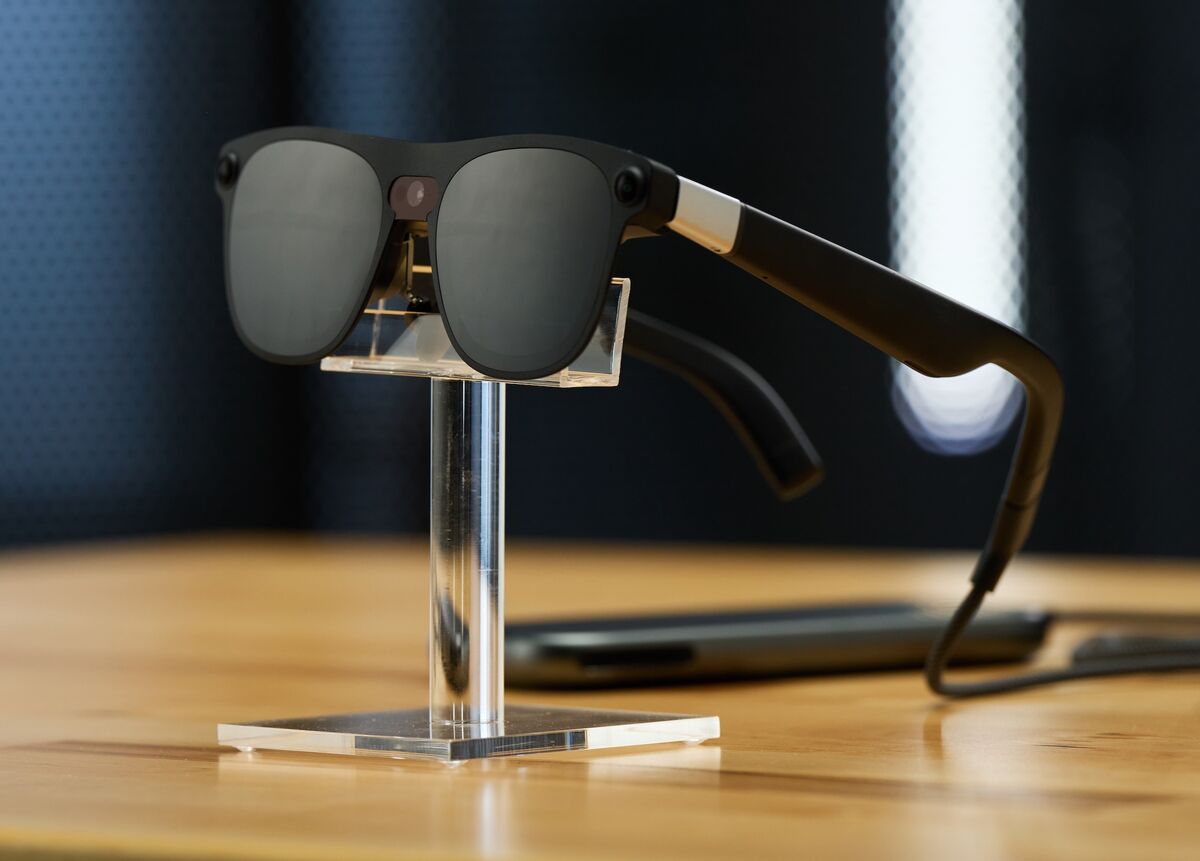
  • Google announced plans to release its first AI-powered smart glasses featuring the Gemini technology in 2026, aiming to introduce two distinct models: one with screens and another focused on audio. This move positions Google to compete directly with existing offerings from Meta Platforms Inc.
  • The introduction of these smart glasses is significant for Google as it seeks to expand its hardware portfolio and leverage its advancements in AI technology, particularly with the recent launch of the Gemini 3 model, which enhances user interaction capabilities.
  • This development reflects a broader trend in the tech industry where companies are increasingly integrating AI into consumer products, highlighting the competitive landscape between Google and Meta, especially as both firms explore innovative applications of AI in everyday technology.
— via World Pulse Now AI Editorial System


Was this article worth reading? Share it

Recommended apps based on your readingExplore all apps
Continue Readings
Can OpenAI Respond After Google Closes the A.I. Technology Gap?
NeutralTechnology
OpenAI has announced the release of a new technology aimed at surpassing Google's recent advancements in artificial intelligence, marking a significant escalation in the competitive landscape between the two tech giants. This comes after Google claimed its new AI model, Gemini 3, has outperformed ChatGPT, OpenAI's flagship product.
With GWM-1 family of “world models,” Runway shows ambitions beyond Hollywood
NeutralTechnology
Runway has introduced the GWM-1 family of 'world models,' positioning itself as a serious competitor in the AI technology landscape alongside established players like Google and Nvidia. This move highlights Runway's ambitions to expand its influence beyond traditional Hollywood applications into broader technological realms.
Disney to Invest $1 Billion in OpenAI and License Characters for Use in ChatGPT, Sora
PositiveTechnology
The Walt Disney Company has announced a significant $1 billion investment in OpenAI, which includes a licensing agreement for its iconic characters to be used on OpenAI's Sora video-making platform. This three-year deal allows users to generate videos featuring beloved characters from Disney, Marvel, Star Wars, and Pixar franchises.
iOS Gets More AI as Chrome Adds Google's Gemini for iPhones
PositiveTechnology
Google has integrated its latest AI model, Gemini 3, into the Chrome browser for iOS devices, including iPhones and iPads, enhancing the AI capabilities available to users on these platforms. This rollout signifies a commitment to improving user experience by providing advanced AI functionalities directly within the browser.
Malicious browser extensions hit 4.3M users
NegativeTechnology
Malicious browser extensions targeting Chrome and Edge have reportedly affected 4.3 million users by collecting sensitive information such as browsing history, keystrokes, and personal data before being removed by Google and Microsoft.
OpenAI releases GPT-5.2 after “code red” Google threat alert
PositiveTechnology
OpenAI has released GPT-5.2, a new AI model that claims to outperform Google's Gemini and achieve human-level performance on 70% of work tasks. This release follows a 'code red' alert issued by OpenAI's CEO Sam Altman due to the rapid user adoption of Gemini 3, which gained 200 million users in just three months.
Disney says Google AI infringes copyright “on a massive scale”
NegativeTechnology
Disney has accused Google of copyright infringement on a massive scale, demanding that the tech giant immediately block its copyrighted content from being used in AI outputs. This legal action highlights ongoing tensions between the two companies regarding intellectual property rights, particularly in the context of AI technologies.
Google releases emergency fix for yet another zero-day
NeutralTechnology
Google has released an emergency fix to address a newly identified zero-day vulnerability, with details being withheld until the patch is fully deployed. This move follows a pattern of rapid responses to security threats, particularly in their software products.