Intel set to buy AI chip specialist as it scrambles to catch up with AMD, Nvidia

TechRadarFriday, December 12, 2025 at 7:30:00 PM
NegativeTechnology
Intel set to buy AI chip specialist as it scrambles to catch up with AMD, Nvidia
  • Intel is set to acquire AI chip specialist SambaNova, a move aimed at bolstering its position in the competitive semiconductor market, particularly against rivals AMD and Nvidia. However, the acquisition is overshadowed by valuation concerns that have emerged during negotiations.
  • This acquisition is significant for Intel as it seeks to enhance its capabilities in artificial intelligence and advanced computing technologies, which are critical for maintaining competitiveness in a rapidly evolving industry.
  • The broader context reveals a landscape where companies like Nvidia and AMD are experiencing strong demand and financial performance, raising questions about Intel's strategy and its ability to catch up in a market increasingly dominated by AI technologies.
— via World Pulse Now AI Editorial System


Was this article worth reading? Share it

Recommended apps based on your readingExplore all apps
Continue Readings
Why Open Source AI Could Be the Best Bet for Developers and Investors
PositiveTechnology
Tech giants are investing heavily in AI infrastructure, with AMD's Lisa Su and former IBM CEO Sam Palmisano highlighting a critical choice between open source and proprietary AI models that could define the future of computing. This shift reflects a broader industry trend towards more collaborative and accessible AI development frameworks.
Trump’s OK of AI Chip Sales in China Called ‘Dangerous’ by Senate Democrats
NegativeTechnology
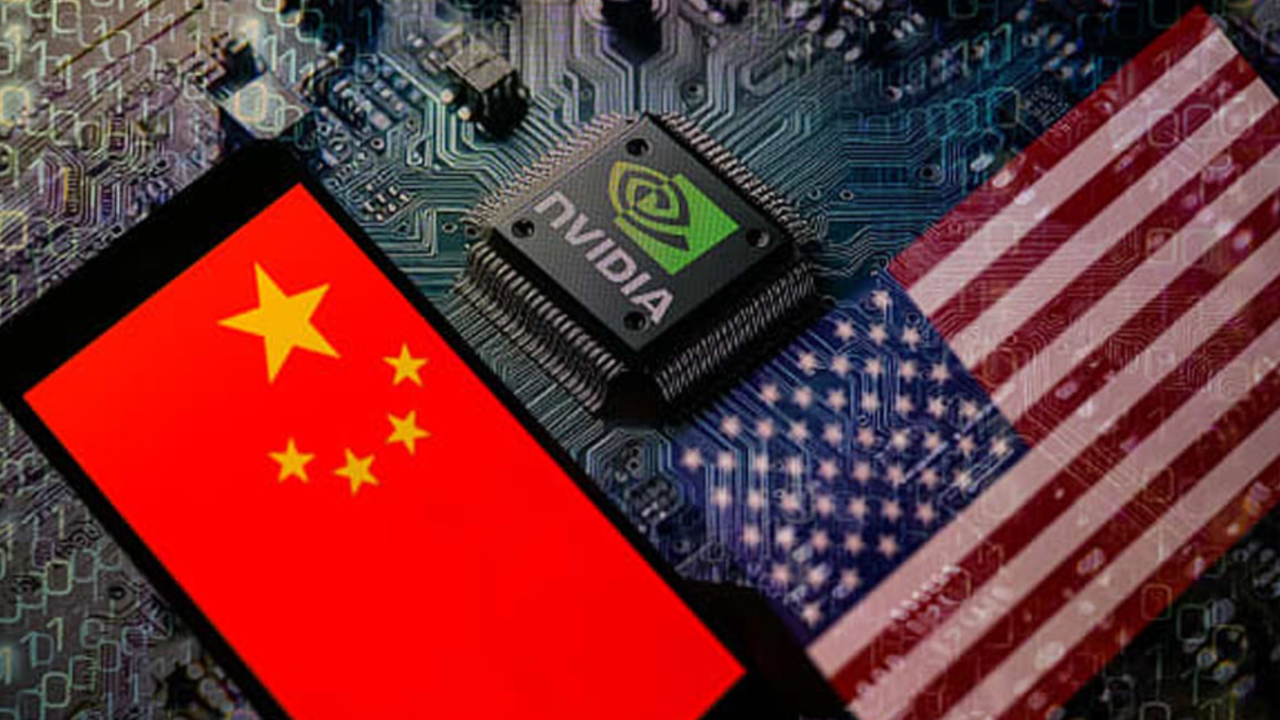
President Donald Trump has authorized the sale of Nvidia's H200 artificial intelligence chips to approved customers in China, effectively lifting a previous export ban that was imposed due to national security concerns. This decision has drawn criticism from Senate Democrats, including Elizabeth Warren and Chuck Schumer, who argue that it undermines U.S. efforts to contain China's technological advancements.
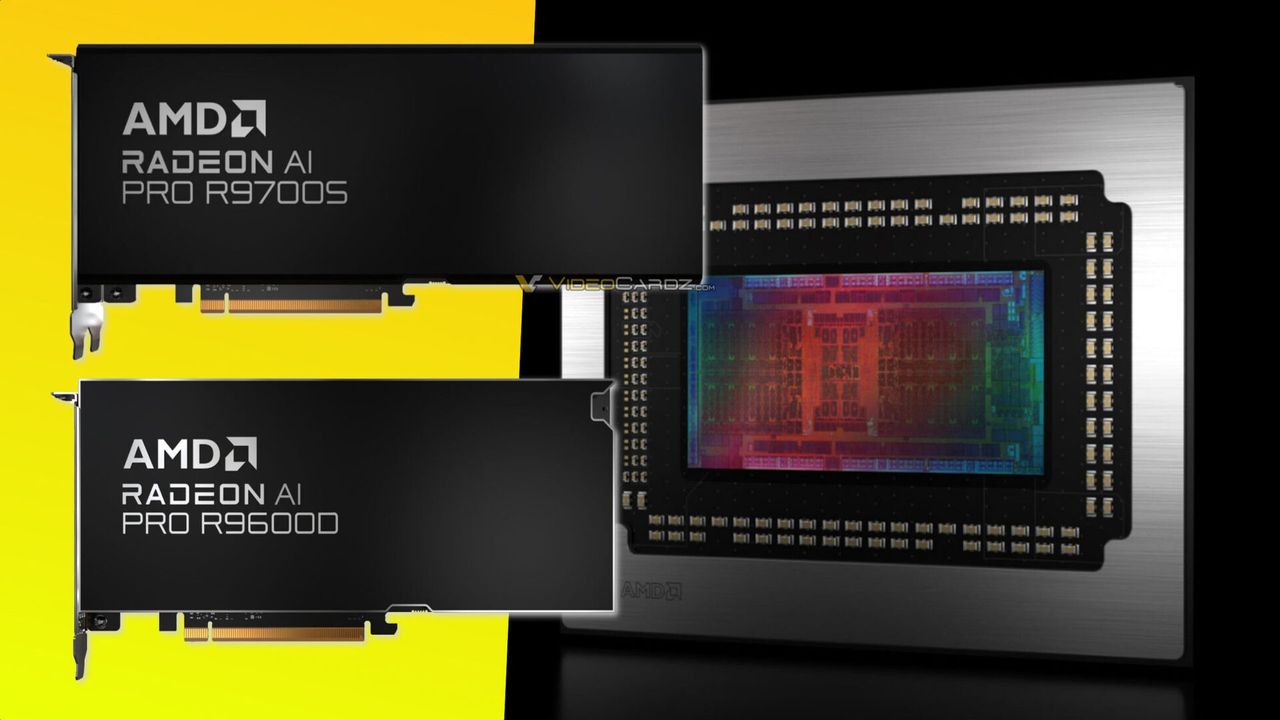
Did AMD just launch the fastest silent video cards ever? Passively cooled 32GB DDR6 Radeon AI Pro R9700S debuts with ginormous 300W TDP
PositiveTechnology
AMD has launched the Radeon AI PRO R9700S, a passively cooled video card featuring 32GB of DDR6 memory and a high FP32 compute performance, designed for AI workstation setups. This new card boasts a substantial 300W thermal design power (TDP), marking a significant advancement in silent computing technology.
Is the US afraid of Huawei? Reports point to the Ascend 910C accelerator’s performance to explain the surprising reversal of Nvidia's H200 AI GPU ban on China
NeutralTechnology
The U.S. government has reversed its ban on Nvidia's H200 AI chip exports to China, allowing the company to sell these advanced chips to approved customers. This decision comes as Huawei's Ascend 910C chips have shown competitive performance in AI computing, prompting a reassessment of the export restrictions previously imposed due to national security concerns.
Broadcom Slides as AI Backlog, Margins Scrutinized
NegativeTechnology
Broadcom's stock experienced its most significant decline in ten months after the company reported a sales outlook that fell short of investor expectations, raising concerns about its competitiveness in the AI chip market against rivals like Nvidia.
AMD CEO Lisa Su Isn’t Afraid of the Competition
PositiveTechnology
AMD CEO Lisa Su recently discussed the company's strategic direction during WIRED's Big Interview event, emphasizing her confidence in AMD's ability to compete in the rapidly growing AI chip market. Su highlighted the launch of a new chip designed to capture a significant share of this sector, which is projected to reach $1 trillion annually.
Ukrainians sue US chip firms for powering Russian drones, missiles
NegativeTechnology
Ukrainians have initiated lawsuits against major US chip manufacturers Intel, AMD, and Texas Instruments, alleging that these companies have contributed to the supply of chips used in Russian drones and missiles targeting Ukraine. This legal action highlights the ongoing conflict and the role of technology in warfare.
Intel, AMD accused of 'willful ignorance' in allowing chips to get to Russia
NegativeTechnology
Intel and AMD are facing lawsuits from Ukrainians who accuse the companies of 'willful ignorance' in allowing their technology to be used in Russian bombs targeting Ukraine. This legal action highlights the ongoing concerns regarding the role of US tech firms in international conflicts.

Ready to build your own newsroom?

Subscribe to unlock a personalised feed, podcasts, newsletters, and notifications tailored to the topics you actually care about