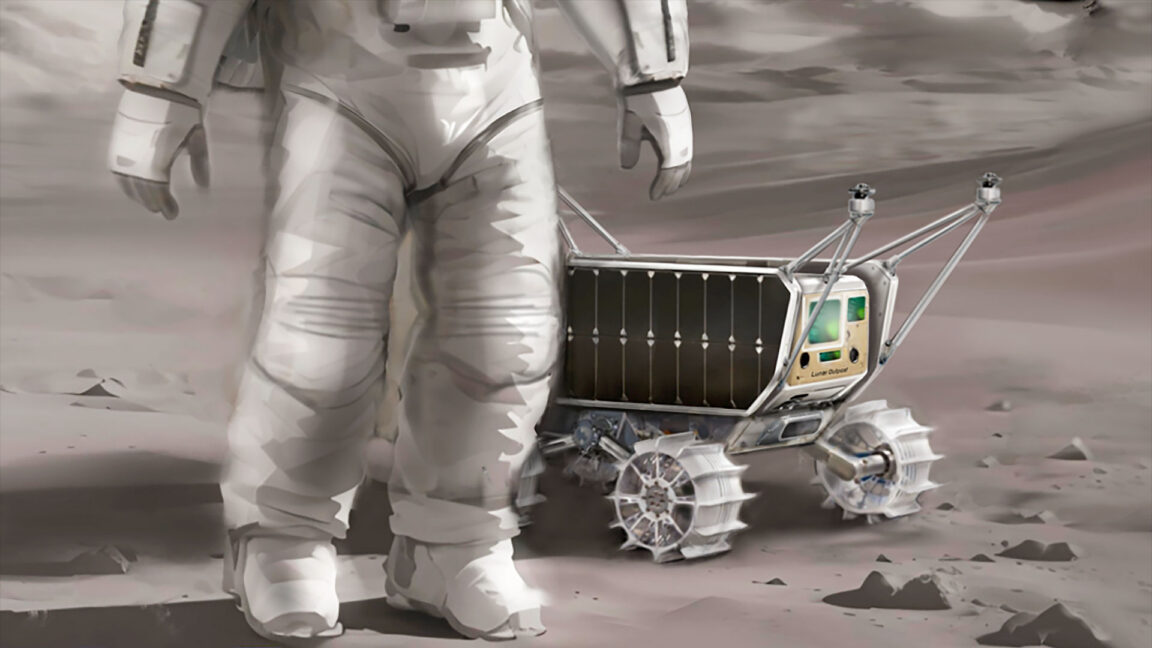
NASA astronauts will have their own droid when they go back to the Moon

Ars TechnicaTuesday, December 9, 2025 at 6:09:05 PM
PositiveTechnology
NASA astronauts will have their own droid when they go back to the Moon
  • NASA astronauts are set to collaborate with a robot during their upcoming lunar mission, marking the first time humans will work alongside a robot on a celestial body other than Earth. This initiative is part of NASA's broader efforts to enhance exploration capabilities on the Moon.
  • The integration of robotic assistance is significant for NASA as it aims to improve efficiency and safety during missions, particularly as the agency prepares for a historic return to the Moon after more than 50 years. This collaboration highlights the evolving role of technology in space exploration.
  • This development occurs against a backdrop of increasing global competition in space exploration, particularly with China's ambitious plans to land astronauts on the Moon by 2030. The race to establish a presence on the lunar surface underscores the strategic importance of space as nations seek to assert their technological prowess and leadership in the field.
— via World Pulse Now AI Editorial System

Was this article worth reading? Share it

Recommended apps based on your readingExplore all apps
Continue Readings
NASA sends 4 astronauts back to Earth in first medical evacuation
NeutralTechnology
NASA has successfully sent four astronauts back to Earth in a historic medical evacuation, marking a significant milestone in space operations. This mission was initiated due to an astronaut requiring urgent medical care, demonstrating NASA's commitment to the health and safety of its crew members in space.
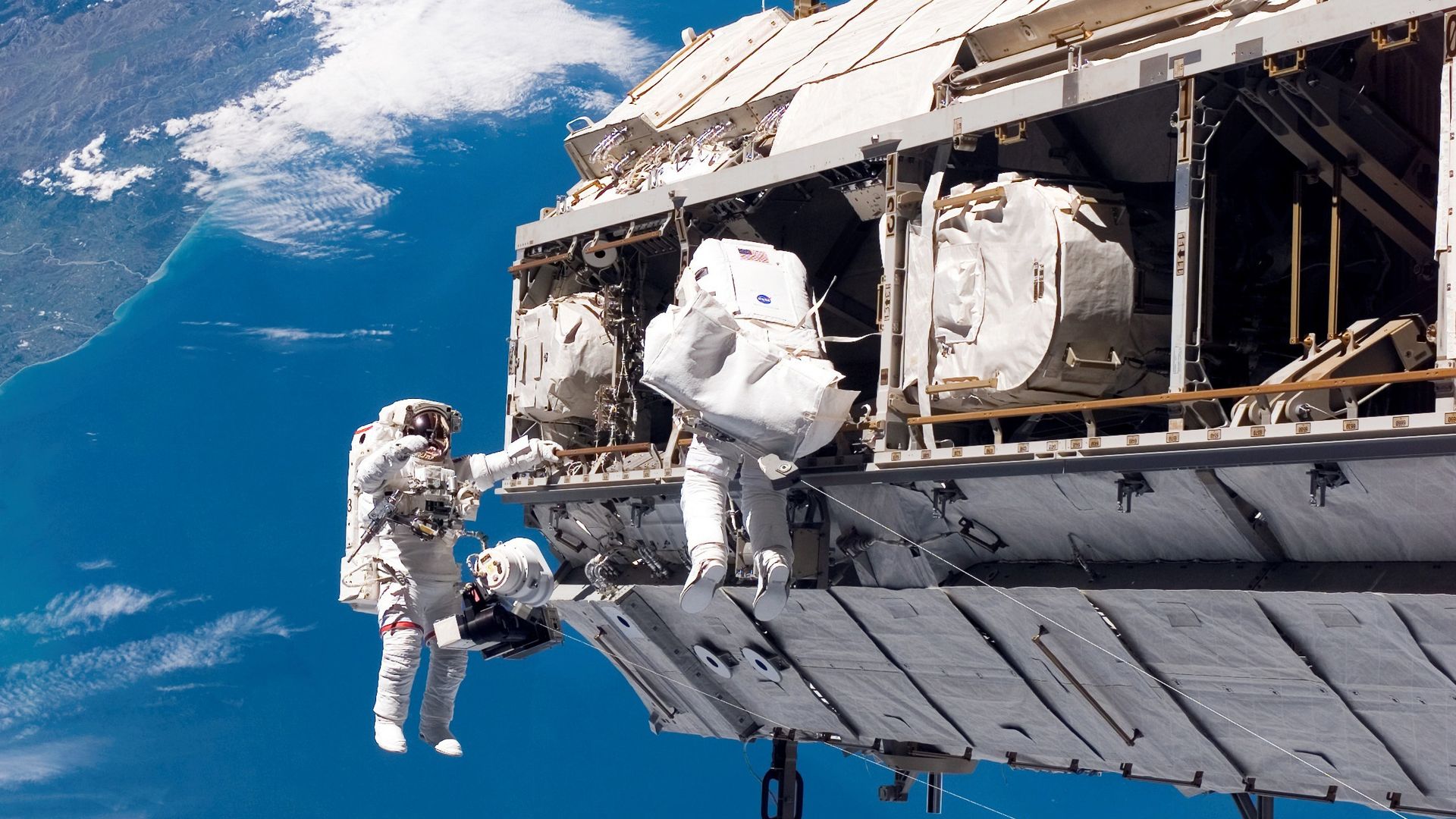
Astronauts evacuate space station over 'serious medical condition'
NegativeTechnology
Four astronauts are preparing for an unexpected evacuation from the International Space Station (ISS) due to a serious medical condition affecting one of the crew members. This decision underscores the inherent risks associated with space missions and the importance of crew health and safety in such extreme environments.
Lip-Syncing Robot Sings a Song video
PositiveTechnology
Researchers at Columbia University have developed a robot capable of lip-syncing to AI-generated lyrics, creating a realistic singing effect with its mouth movements. This innovation showcases advancements in robotics and artificial intelligence, particularly in the realm of human-robot interaction.
A Postcard From Mars: NASA's Curiosity Rover Sends Beautiful Mount Sharp Panorama
PositiveTechnology
NASA's Curiosity Rover has captured stunning panoramic images of Mount Sharp, showcasing the Martian landscape during different times of the day. The images were taken in the morning and evening, highlighting the variations in light and shadow on the mountain's surface.
NASA returns humans to deep space after over 50 years with February Artemis II Moon mission
PositiveTechnology
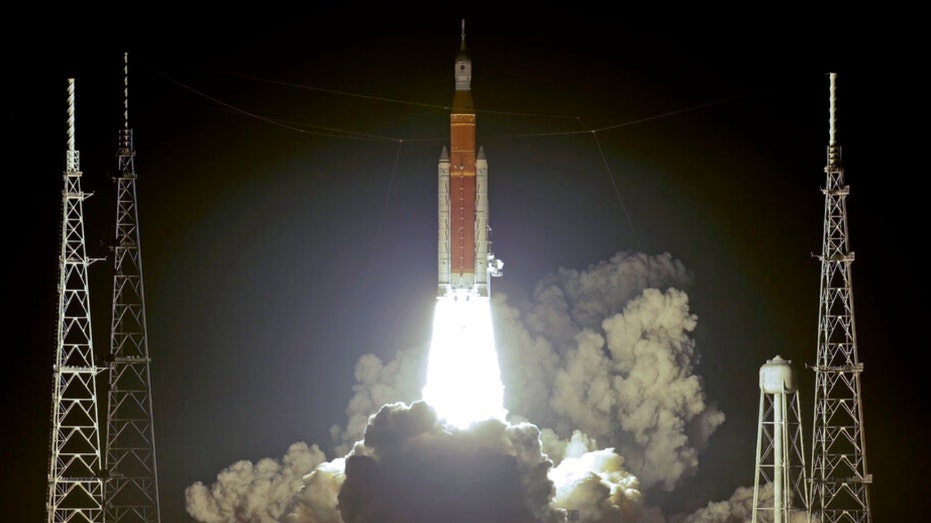
NASA has announced the launch date for the Artemis II mission, scheduled for February 6, 2026, marking the first time in over 50 years that humans will travel around the Moon. This historic 10-day mission will send four astronauts into deep space, reigniting human exploration of lunar environments.
New study finds astronauts' brains change after space travel
NeutralTechnology
New research has revealed that astronauts experience changes in the position and shape of their brains after space travel, highlighting significant health effects associated with extended missions in space. This study underscores the importance of understanding the physiological impacts of microgravity on human health.

Ready to build your own newsroom?

Subscribe to unlock a personalised feed, podcasts, newsletters, and notifications tailored to the topics you actually care about