Say Goodbye to the Billable Hour, Thanks to AI

WSJ TechThursday, December 4, 2025 at 4:00:00 PM
PositiveTechnology
Say Goodbye to the Billable Hour, Thanks to AI
  • The legal profession is undergoing a significant transformation as artificial intelligence (AI) takes over routine tasks, prompting a shift from traditional billable hours to outcome-based billing. This change is driven by the need for efficiency and the ability to deliver results rather than just time spent on tasks.
  • This development is crucial for lawyers and firms as it may enhance client satisfaction and streamline operations, allowing legal professionals to focus on higher-value work. The integration of AI could redefine how legal services are priced and delivered in the future.
  • The broader implications of this shift highlight ongoing debates about job security in the legal field, as AI's capabilities raise concerns about potential job displacement. Additionally, the evolving landscape of AI adoption across various sectors suggests a need for regulatory frameworks to address ethical considerations and ensure accountability in AI usage.
— via World Pulse Now AI Editorial System

Was this article worth reading? Share it

Recommended apps based on your readingExplore all apps
Continue Readings
The disproportionate effects of AI data centers on local communities – and what can be done about it
NegativeTechnology
The rapid expansion of AI data centers is significantly impacting local communities, particularly through increased demands for power, water, and carbon emissions. These developments raise concerns about sustainability and the long-term effects on the environment and public health.
Can AI Look at Your Retina and Diagnose Alzheimer’s? Eric Topol Hopes So
PositiveTechnology
Eric Topol, author of Super Agers, advocates for the potential of artificial intelligence (AI) in diagnosing Alzheimer's disease through retinal analysis, suggesting that this technology could revolutionize medical diagnostics.
AI Sucks at Sudoku, but Its Explanations Are Even Worse. Why That's Worrisome
NegativeTechnology
Researchers found that AI models, when asked to explain their solutions to Sudoku puzzles, often fabricated information, raising significant trust issues regarding AI reliability. This highlights a critical flaw in AI's ability to provide accurate and transparent reasoning.
Editor’s Note: Understanding how AI operates is crucial, especially as it becomes more integrated into our lives. If AI can't explain its decisions, it may lead to mistrust and challenges in its application.
CEOs are warning AI adoption and spending should be more strategic
NeutralTechnology
CEOs from major tech companies are emphasizing the need for strategic decision-making regarding the adoption and investment in artificial intelligence (AI), highlighting the importance of calculated approaches to navigate its evolving landscape.
Meta says it's fixing its broken support system, with the help of AI
NeutralTechnology
Meta has announced plans to enhance its support system by integrating artificial intelligence, aiming to address ongoing issues that have plagued user assistance. This initiative reflects the company's commitment to improving user experience and operational efficiency.
Hate VAR? Wait until you see how FIFA plans to use AI at the World Cup
NeutralTechnology
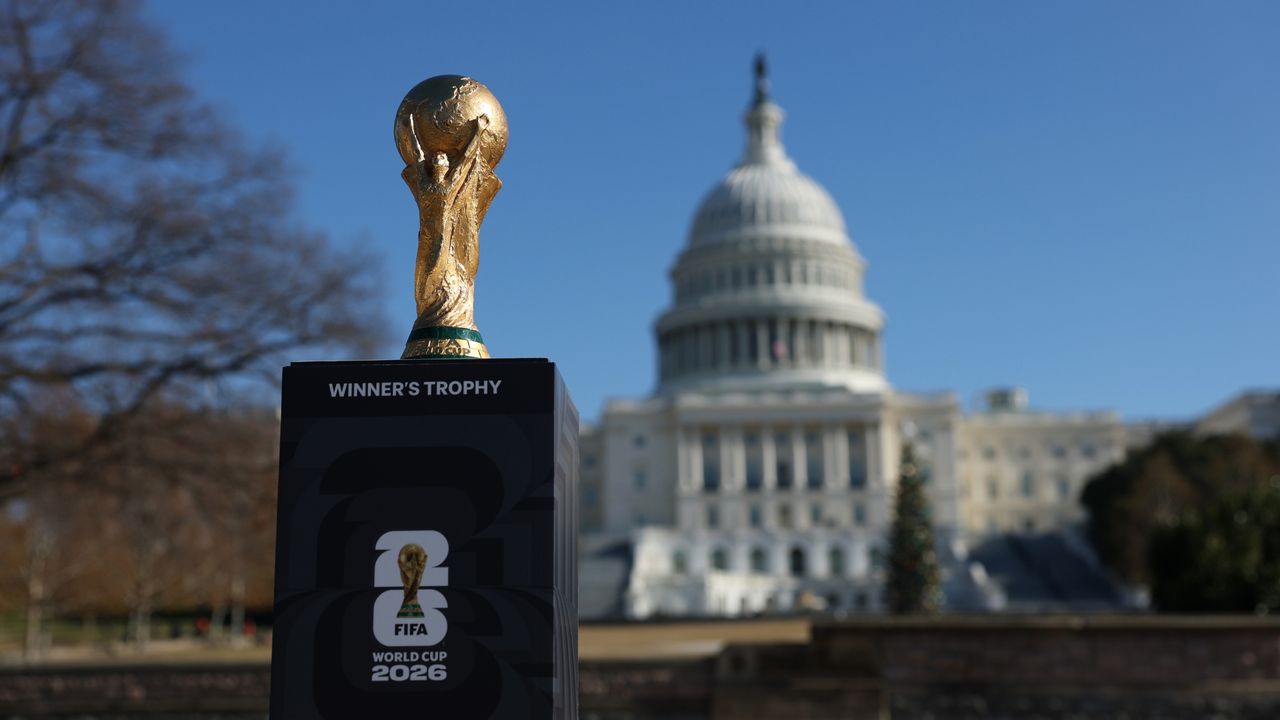
FIFA is set to enhance the use of Video Assistant Referee (VAR) technology at the 2026 World Cup by incorporating an AI-powered ball that will assist in analyzing corner kicks more effectively.
A Startup Says It Has Found a Hidden Source of Geothermal Energy
PositiveTechnology
Zanskar, a startup leveraging artificial intelligence, claims to have discovered a hidden geothermal energy source that could potentially power a new plant, marking a significant breakthrough in the industry after decades of stagnation.
The NPU in your phone keeps improving—why isn’t that making AI better?
NeutralTechnology
The Neural Processing Unit (NPU) in smartphones continues to advance, yet these improvements have not translated into significant enhancements in artificial intelligence (AI) capabilities. This raises questions about the limitations of current mobile AI technologies despite hardware advancements.