Researchers find what makes AI chatbots politically persuasive

Ars TechnicaThursday, December 4, 2025 at 8:07:20 PM
NeutralTechnology
Researchers find what makes AI chatbots politically persuasive
  • A comprehensive study on political persuasion has revealed that AI chatbots exhibit only a weak effect in influencing political opinions. Researchers conducted extensive analysis to understand the mechanisms behind AI's persuasive capabilities, ultimately concluding that these systems have limited impact in political discourse.
  • This finding is significant as it highlights the limitations of AI chatbots in shaping political narratives, raising questions about their role in public discourse and the effectiveness of AI in sensitive areas such as political engagement.
  • The study also intersects with ongoing concerns regarding the reliability of AI-generated information, particularly in contexts where misinformation can have serious consequences, such as health-related advice. This underscores the need for robust safety protocols and ethical considerations in AI development.
— via World Pulse Now AI Editorial System


Was this article worth reading? Share it

Recommended apps based on your readingExplore all apps
Continue Readings
In comedy of errors, men accused of wiping gov databases turned to an AI tool
NeutralTechnology
Two men previously convicted of similar crimes have been accused of using an AI tool to wipe government databases, raising questions about their legal standing and the implications of technology in criminal activities. The case highlights the complexities of digital evidence and the evolving nature of crime in the digital age.
Engineer proves that Kohler’s smart toilet cameras aren’t very private
NegativeTechnology
An engineer has demonstrated that the cameras in Kohler's smart toilets are not as private as advertised, raising concerns about user privacy. The revelation highlights potential vulnerabilities in the technology designed for personal use in bathrooms.
Why won’t Steam Machine support HDMI 2.1? Digging in on the display standard drama.
NeutralTechnology
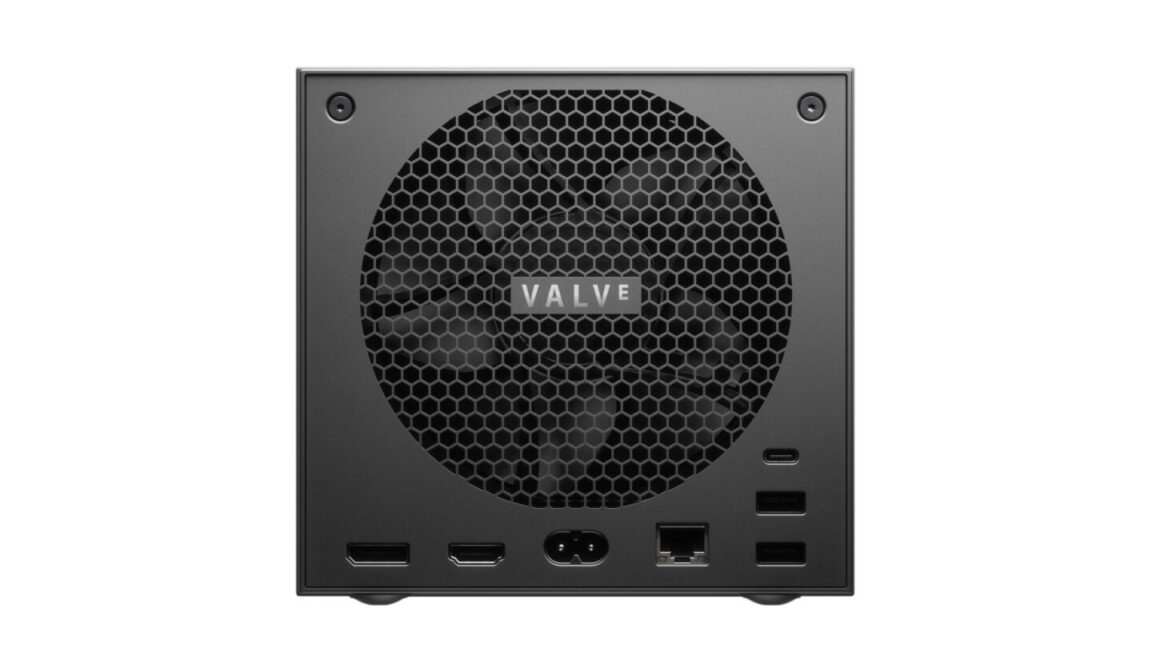
Valve has announced that the Steam Machine will not support HDMI 2.1 due to limitations stemming from open source driver issues. The company is actively working to resolve these challenges to enhance the device's compatibility with modern display standards.
In 1995, a Netscape employee wrote a hack in 10 days that now runs the Internet
PositiveTechnology
In 1995, a Netscape employee developed JavaScript in just 10 days, a programming language that has since become essential for creating interactive web experiences. This innovation laid the groundwork for the modern internet, enabling dynamic content and user engagement across websites.
Welcome to “necroprinting”—3D printer nozzle made from mosquito’s proboscis
PositiveTechnology
Researchers have introduced a novel technique called 'necroprinting,' which involves creating 3D printer nozzles from the proboscis of mosquitoes. This innovative approach offers a cost-effective alternative to traditional manufactured nozzles, provided that the dissection process is successfully executed.
The NPU in your phone keeps improving—why isn’t that making AI better?
NeutralTechnology
The Neural Processing Unit (NPU) in smartphones continues to advance, yet these improvements have not translated into significant enhancements in artificial intelligence (AI) capabilities. This raises questions about the limitations of current mobile AI technologies despite hardware advancements.
Admins and defenders gird themselves against maximum-severity server vuln
NegativeTechnology
A maximum-severity vulnerability has been identified in the open-source React framework, allowing the execution of malicious code through malformed HTML without requiring authentication. This security flaw poses significant risks to applications built using React, as it could be exploited by attackers to compromise systems.
Republicans drop Trump-ordered block on state AI laws from defense bill
PositiveTechnology
Republicans have decided to remove a block on state-level artificial intelligence (AI) laws that was previously ordered by former President Donald Trump from the defense bill. This decision reflects a significant shift in the party's stance on AI governance, allowing states to implement their own regulations without federal interference.