US Sets 25% Tariff on Some Chip Sales as Part of Nvidia Deal

Bloomberg TechnologyWednesday, January 14, 2026 at 8:27:21 PM
NeutralTechnology
US Sets 25% Tariff on Some Chip Sales as Part of Nvidia Deal
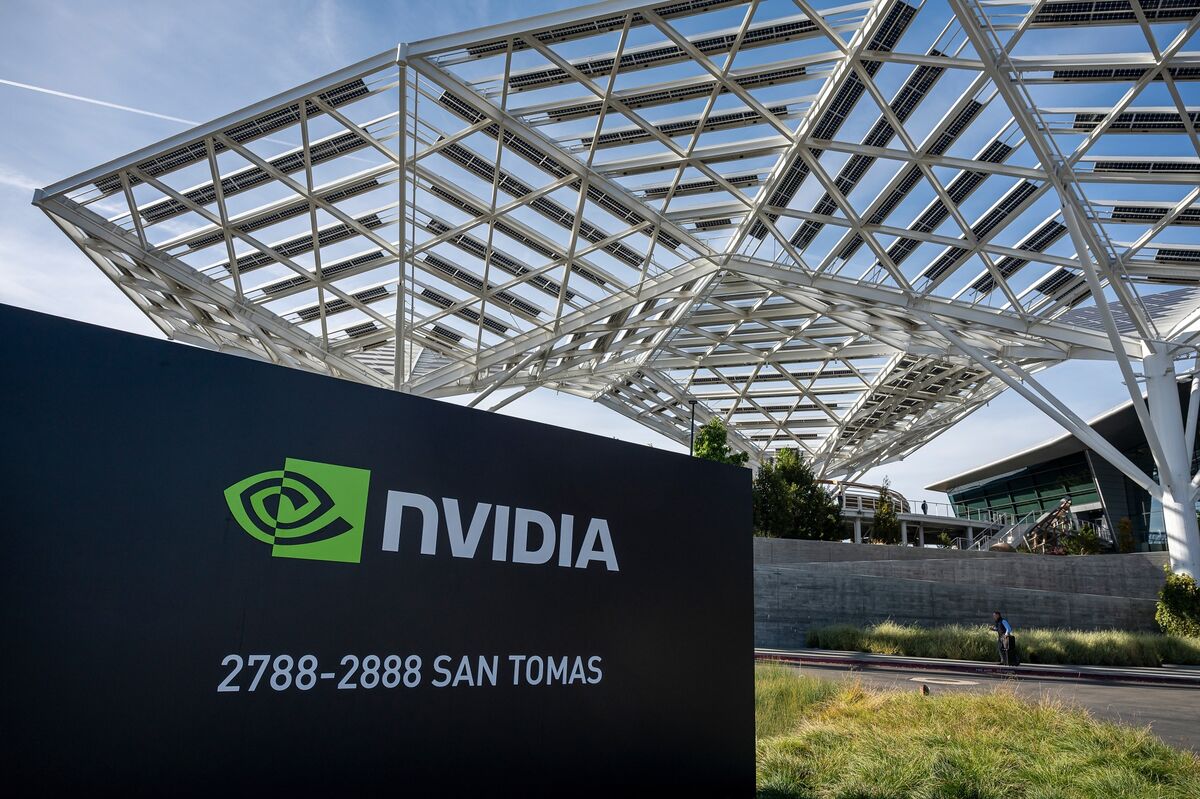
  • The United States has imposed a 25% tariff on imports of certain advanced semiconductors, a move linked to an agreement allowing Nvidia Corp. to export its H200 artificial intelligence processors manufactured in Taiwan to China. This decision was endorsed by President Donald Trump, marking a significant shift in U.S. technology export policy.
  • This development is crucial for Nvidia as it enables the company to access the Chinese market, potentially recovering billions in revenue after previous restrictions hindered its operations. The tariff, while a financial burden, is part of a broader strategy to facilitate sales to approved customers in China.
  • The approval of Nvidia's chip sales reflects ongoing tensions in U.S.-China relations, particularly regarding technology and national security. This policy shift may influence the competitive landscape in AI technology, especially as companies like Huawei advance in the sector, raising concerns about the implications for U.S. technological leadership and security.
— via World Pulse Now AI Editorial System


Was this article worth reading? Share it

Recommended apps based on your readingExplore all apps
Continue Readings
Trump Imposes Limited Tariffs on Foreign Semiconductors
NeutralTechnology
President Trump has imposed limited tariffs on foreign semiconductors, allowing him to take a cut of Nvidia's chip sales to China while delaying a decision on higher taxes for the chip industry, which heavily relies on overseas materials.
US Eases Path for Nvidia to Sell H200s to China | Bloomberg Tech 1/14/2026
NeutralTechnology
The U.S. Commerce Department has eased restrictions, allowing Nvidia to sell its H200 AI chips to approved customers in China, following a significant policy shift initiated by the Trump administration that lifted a previous export ban due to national security concerns. This decision marks a pivotal moment for Nvidia as it re-enters a crucial market after extensive lobbying efforts.
China Bans Cybersecurity Products From Top US, Israeli Firms
NegativeTechnology
China has issued a directive prohibiting the use of cybersecurity products from leading American and Israeli firms, including Palo Alto Networks Inc., Fortinet Inc., and Check Point Software Technologies Ltd. This decision reflects ongoing tensions between China and these countries, particularly in the technology sector.
DeSantis Amplifies Warning on ‘Real Perils’ of AI, Data Centers and Pushes Regulation
NegativeTechnology
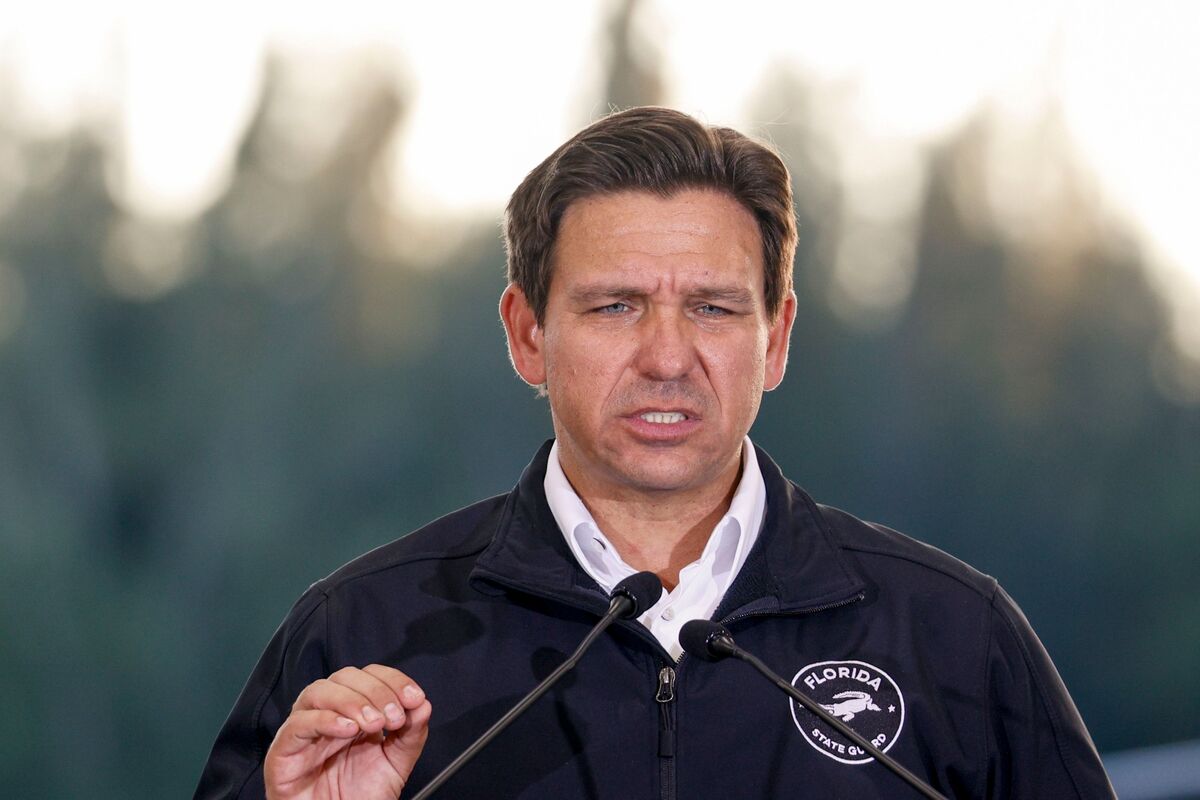
Florida Governor Ron DeSantis has intensified his campaign against the perceived dangers of artificial intelligence (AI) and data centers, opposing President Donald Trump's efforts to establish a unified regulatory framework that limits state-level interventions in technology. DeSantis's stance highlights concerns over the potential risks associated with AI, emphasizing the need for state-level regulations to address these issues effectively.
Music streams hit 5 trillion in 2025. Christian, rock and Latin lead growth in the US
PositiveTechnology
The global music industry achieved a significant milestone in 2025, reaching a total of 5.1 trillion streams, with notable growth in the Christian, rock, and Latin music genres in the United States.
Taiwan issues arrest warrant for Pete Lau, CEO of OnePlus
NegativeTechnology
Taiwan has issued an arrest warrant for Pete Lau, the CEO of OnePlus, amid unspecified legal issues. This development raises concerns regarding Lau's ability to lead the company effectively while facing legal challenges.
Trump Declared a Space Race With China. The US Is Losing
NegativeTechnology
Former President Donald Trump has declared a renewed space race with China, emphasizing the urgency of returning astronauts to the Moon. However, critics argue that the U.S. space agency, NASA, is being undermined by budget cuts and policy shifts that could hinder its ability to achieve these ambitious goals.
TSMC Plans U.S. Expansion in Proposed Taiwan Tariff-Relief Deal
NeutralTechnology
TSMC is planning an expansion in the United States as part of a proposed tariff-relief deal with Taiwan, a move that aligns with the Trump administration's ongoing efforts to boost high-tech chip manufacturing domestically. This initiative aims to reduce reliance on foreign semiconductor production amid rising geopolitical tensions.

Ready to build your own newsroom?

Subscribe to unlock a personalised feed, podcasts, newsletters, and notifications tailored to the topics you actually care about