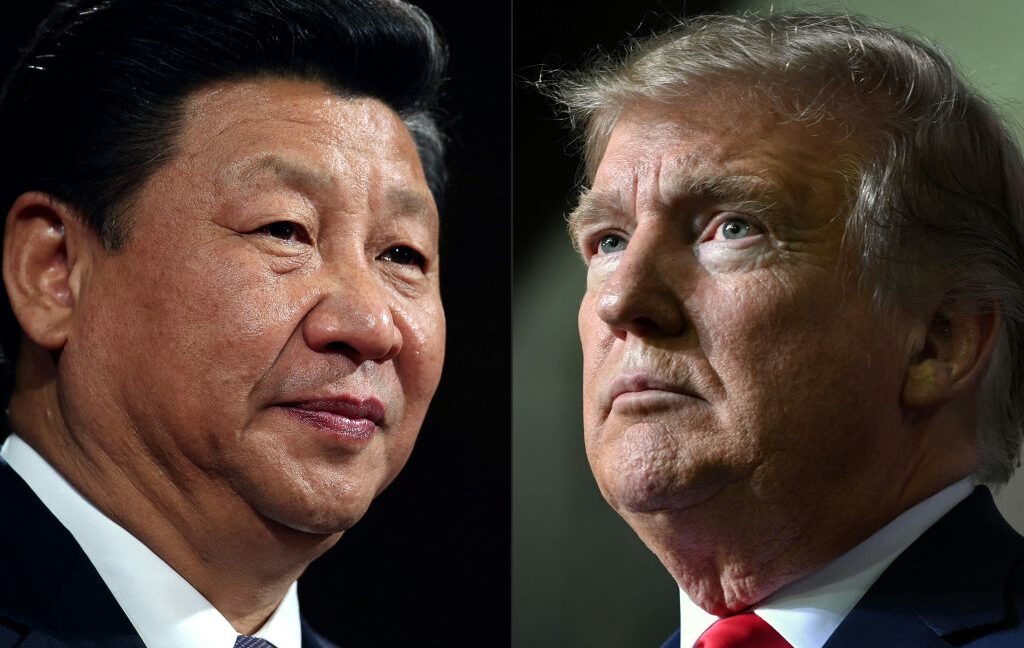
“Extremely angry” Trump threatens “massive” tariff on all Chinese exports

Ars TechnicaFriday, October 10, 2025 at 7:12:55 PM
NegativeTechnology
“Extremely angry” Trump threatens “massive” tariff on all Chinese exports

“Extremely angry” Trump threatens “massive” tariff on all Chinese exports

In a recent statement, former President Trump expressed his outrage over China's unexpected export controls on rare earths, threatening to impose a 'massive' tariff on all Chinese exports. This move could escalate tensions between the U.S. and China, impacting global trade and supply chains, especially in technology and manufacturing sectors. Trump's comments highlight the ongoing trade disputes and the potential for further economic repercussions.
— via World Pulse Now AI Editorial System

Was this article worth reading? Share it

Recommended Readings
Trump Adviser Sacks Says There Won’t Be a Federal ‘Bailout’ for AI
NeutralTechnology
In a recent statement, Trump adviser Sacks clarified that there will not be a federal bailout for the artificial intelligence sector. This comes in response to discussions at the WSJ Tech Live conference, where OpenAI's CFO highlighted the government's potential role in supporting industry growth. Sacks' comments are significant as they reflect the administration's stance on the regulation and financial support for emerging technologies, indicating a cautious approach to government intervention.
Nexperia Says It Halted Supply After China Unit Refused to Pay
NegativeTechnology
Nexperia has announced a suspension of supplies to its factory in China due to the local unit's refusal to make payments. This situation highlights the internal conflicts within the company, which is already facing challenges in the automotive chip market. The halt in supply could have significant implications for production timelines and relationships with clients, making it a critical issue for the company and the industry.
I'm Still Using My TP-Link Router, Even Though It Could Be Banned in the US
NegativeTechnology
The ongoing debate over the potential ban of TP-Link routers in the U.S. highlights concerns about cybersecurity and foreign influence. With allegations of ties to Chinese cyberattacks, many users are left wondering about the safety of their devices. This situation matters because it raises questions about the balance between security and consumer choice, as well as the implications for international relations.
FCC Considers Biden-Era Ruling Requiring Stronger Cybersecurity
NeutralTechnology
The FCC is currently reviewing a ruling from the Biden administration that mandates stronger cybersecurity measures. This comes in light of recent concerns regarding a suspected Chinese hack, prompting the US to seek more information. The outcome of this review could significantly impact how cybersecurity is approached in the country, emphasizing the importance of protecting sensitive information from foreign threats.
Trump's FCC Just Made It Easier for Internet Providers to Hide Fees
NegativeTechnology
The recent decision by the Republican-led Federal Communications Commission (FCC) to roll back requirements for broadband 'nutrition labels' has raised concerns about transparency in internet pricing. This move makes it easier for internet providers to hide fees, potentially leading to confusion and frustration for consumers. As internet access becomes increasingly essential, this change could impact millions of users who rely on clear information to make informed choices about their services.
How Trade Tensions Sent Automakers Scrambling for Chips
NeutralTechnology
Recent trade tensions have forced automakers like Mercedes-Benz, Stellantis, and Nissan to adapt quickly to supply chain disruptions caused by a Chinese-owned company in the Netherlands. This situation highlights the vulnerabilities within European automotive supply chains, prompting these companies to form task forces aimed at securing alternative chip supplies to maintain production. It's a critical moment for the industry as they navigate these challenges to ensure their operations remain stable.
Meet the Chinese Startup Using AI—and a Team of Human Workers—to Train Robots
PositiveTechnology
AgiBot, a Chinese startup, is revolutionizing the manufacturing sector by combining AI technology with human expertise to train robots for new tasks. This innovative approach not only enhances efficiency but also has the potential to transform the landscape of physical labor in China, making it a significant development in the industry.
Democrats Did Much Better Than Expected
PositiveTechnology
In a surprising turn of events, Democrats performed significantly better than anticipated in the recent elections, as discussed by NBC's Steve Kornacki. He pointed out that Trump's influence may not have benefited the Republican party, raising questions about the future of GOP strategies. This outcome is crucial as it could reshape the political landscape and influence upcoming elections.