Southern California is facing its worst heat wave of the year, with temperatures expected to rise significantly over the coming days. This dangerous weather pattern is set to begin Wednesday and may last into next week.
Editor’s Note: This heat wave is concerning as it poses health risks to residents and can lead to increased energy demand. Understanding its duration and intensity is crucial for safety and preparedness.
— Curated by the World Pulse Now AI Editorial System
Rev. Al Sharpton has accused Harlem Hospital of spreading Legionnaires' disease due to untreated rainwater in its cooling towers, contributing to a deadly outbreak in NYC.
Editor’s Note: This situation is critical as it highlights public health concerns regarding city-owned buildings and their maintenance. The outbreak has raised alarms about safety and accountability in managing such facilities.
A Florida fisherman, Meuse, shared a defiant message to a 6-foot shark that bit him during a photo opportunity, saying, 'See you next time.'
Editor’s Note: This incident highlights the unpredictable nature of wildlife encounters and the resilience of individuals who face such situations. Meuse's lighthearted response shows a unique perspective on a potentially dangerous experience.
Ukrainian President Volodymyr Zelenskyy met with European leaders in Washington, showcasing a rare moment of unity aimed at ending the war with Russia.
Editor’s Note: This meeting is significant as it highlights the collective effort of European leaders to support Ukraine and address the ongoing conflict with Russia, emphasizing international solidarity.
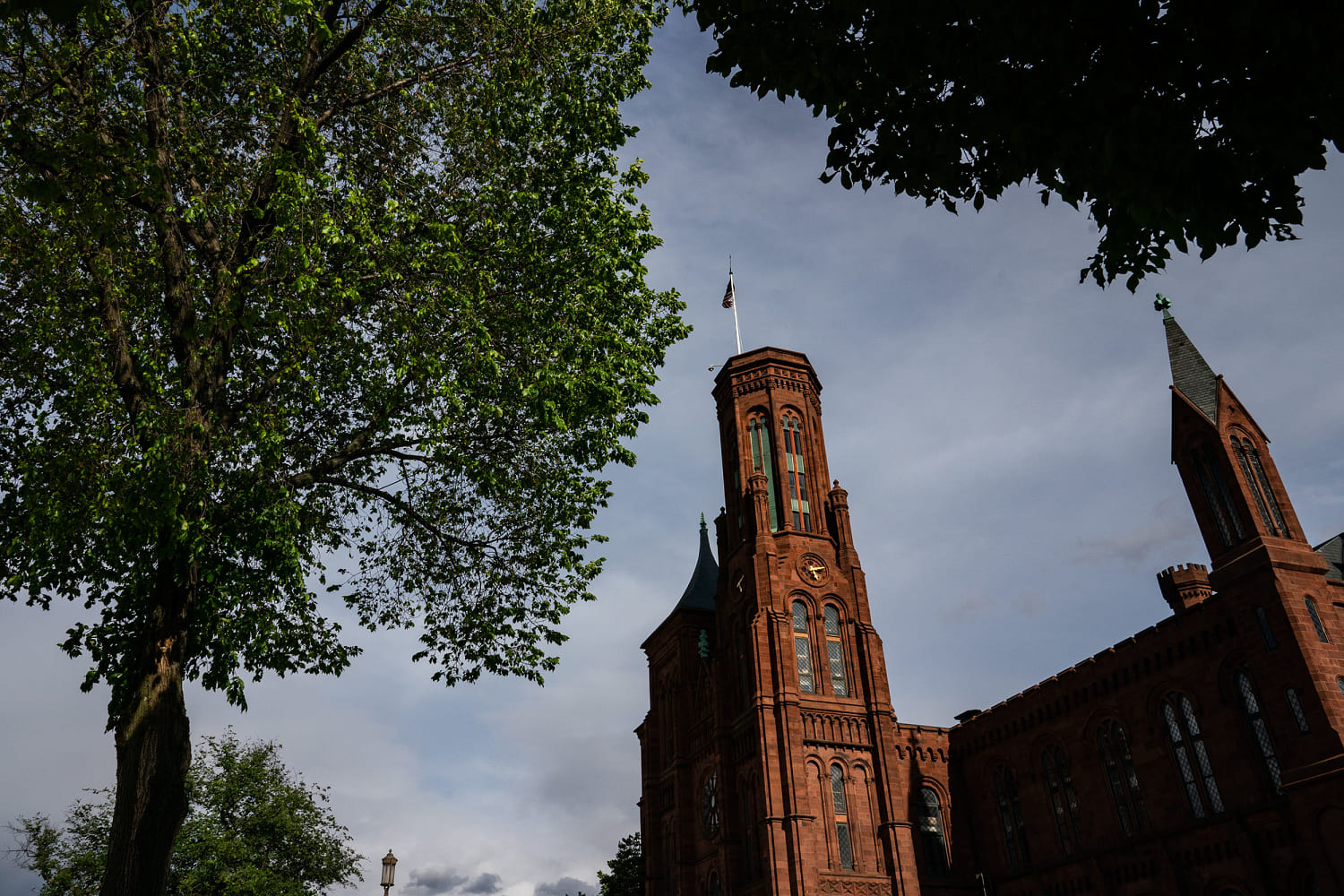
Trump criticized the Smithsonian for its portrayal of slavery, claiming it emphasizes the negative aspects too much. A White House official indicated that he intends to broaden his review of museums beyond just the Smithsonian.
Editor’s Note: This statement from Trump highlights ongoing debates about how history is presented in museums. His comments may influence public perception and policy regarding historical narratives and museum funding.
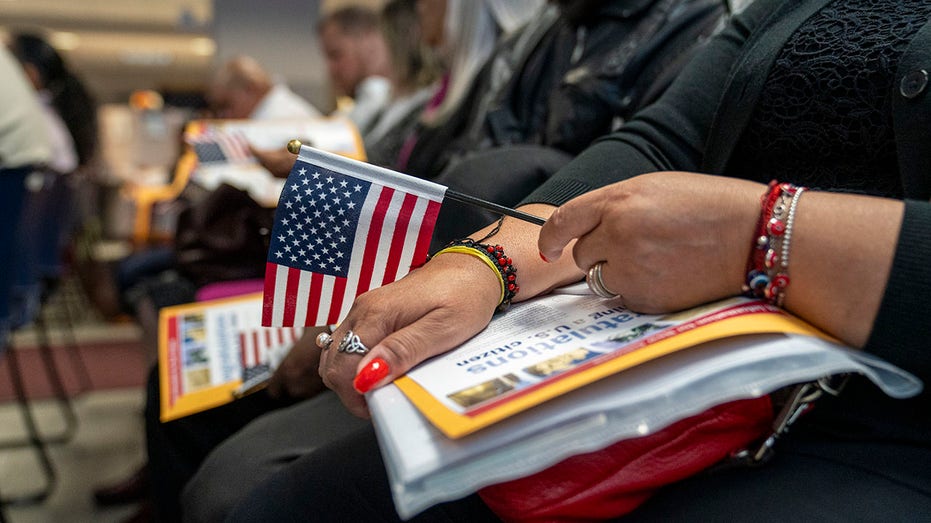
The Trump administration is introducing a new USCIS policy that evaluates US citizenship applicants based on their positive contributions and good moral character, expanding the criteria for disqualifying offenses.
Editor’s Note: This policy shift is significant as it emphasizes the importance of civic responsibility and positive attributes in the naturalization process, potentially making it easier for applicants who demonstrate these qualities to gain citizenship.