Turner v Constable: Tate Britain exhibition invokes long history of artistic rivalries
NeutralWorld Affairs
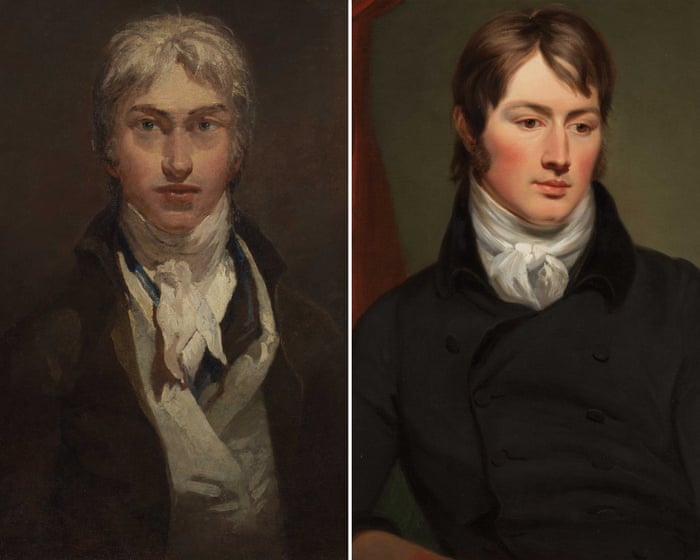
- Tate Britain is currently showcasing an exhibition that highlights the artistic rivalry between JMW Turner and John Constable, two prominent figures in British art history. The exhibition reflects on their contentious relationship, marked by moments such as Turner's strategic use of color to overshadow Constable's work at the 1832 Royal Academy exhibition. This rivalry raises questions about the nature of competition in the arts and whether it fosters or hinders creativity.
- The exhibition is significant as it not only celebrates the legacy of Turner and Constable but also draws attention to the ongoing relevance of artistic rivalries in contemporary art. It invites visitors to consider how these historical conflicts have shaped artistic expression and the evolution of British art. Furthermore, the timing of the exhibition coincides with labor unrest among Tate staff, who are striking for better pay and working conditions, highlighting the challenges faced by cultural institutions today.
- This situation underscores a broader discourse on the intersection of art, labor, and societal issues. The ongoing strike at Tate sites, where employees have reported relying on food banks, contrasts sharply with the celebrated artistic achievements of Turner and Constable. It raises critical questions about the support and treatment of artists and cultural workers in the modern era, suggesting that while artistic rivalries may drive creativity, the conditions under which art is produced and displayed remain fraught with challenges.
— via World Pulse Now AI Editorial System